
If you’re a rabbit owner, you know that managing rabbit pee smell can be a challenge. Keeping your bunny hydrated and maintaining a clean living environment are key steps to reducing odors.
With a little effort and some helpful tips, you can enjoy your pet’s company without the unpleasant side effects of strong urine odors.
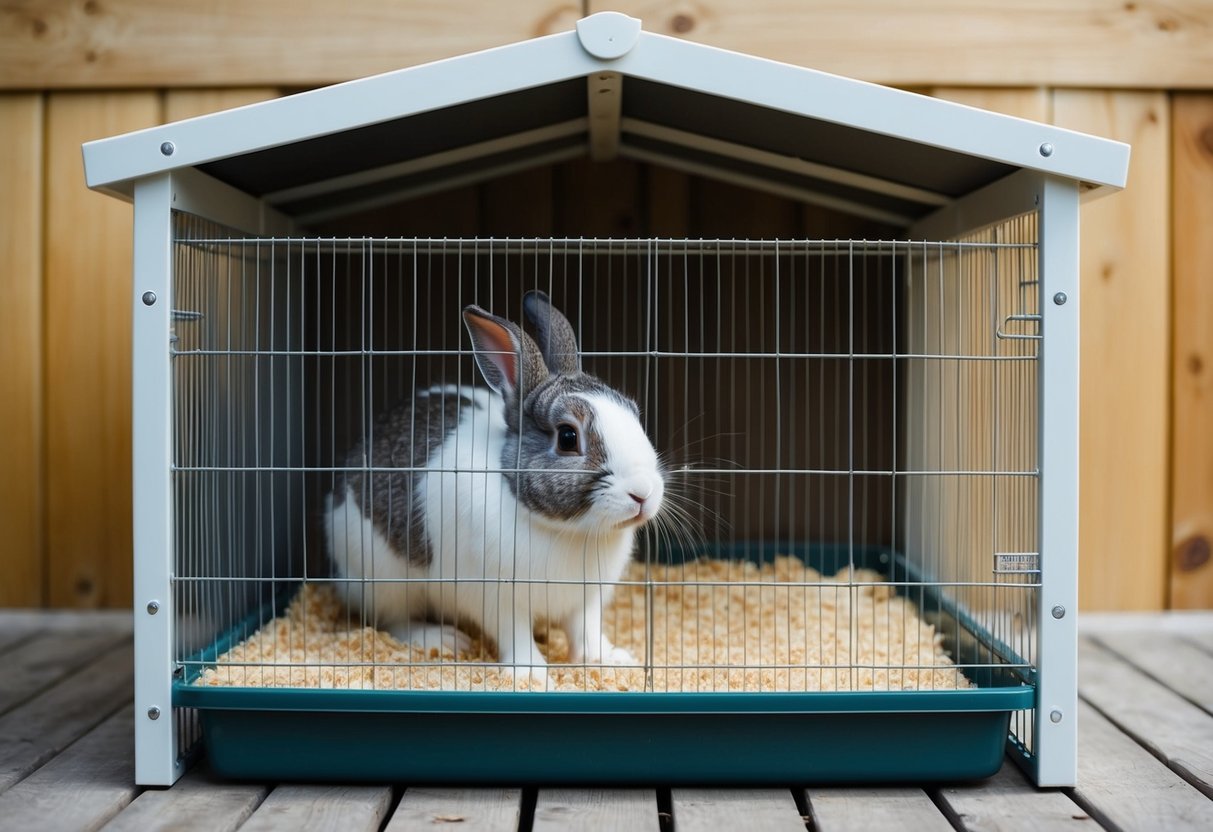
Male rabbits, or bucks, tend to produce stronger scents than females. However, every rabbit is unique. Understanding your rabbit’s behavior and health can help you tackle any smell issues effectively.
Regular cleaning, proper hydration, and considering spaying or neutering can make a significant difference.
By following some simple steps, you can keep your home fresh and comfortable while ensuring your rabbit stays happy and healthy. Let’s explore how to tackle that pesky pee smell together!
Understanding Rabbit Habits and Health

To effectively manage rabbit urine smell, it’s important to understand their habits and health.
Proper litter training, the benefits of spaying or neutering, and recognizing health issues can make a big difference in your rabbit’s well-being and your home environment.
Litter Training Fundamentals
Litter training is a crucial step in managing rabbit pee smell. Rabbits have natural habits that can be directed towards using a litter box.
Start by placing the litter box in a corner where your rabbit spends most of its time. Use rabbit-safe litter made from paper, aspen, or other similar materials.
Clean the box daily to prevent odors from building up. If your rabbit has accidents, don’t punish them. Instead, clean the area thoroughly to remove scent markers and encourage them to use the box.
With patience, most rabbits catch on quickly.
Importance of Spaying or Neutering
Spaying or neutering your rabbit can significantly reduce urine odor. Unfixed rabbits tend to mark their territory more often, leading to stronger smells in your home.
When you spay or neuter, you help control hormonal behaviors. This change can lead to less frequent urination and, in many cases, less pungent urine.
Besides reducing odors, these procedures can improve your rabbit’s health and even extend their life. Talk to your vet about the right timing for this procedure to ensure the best health outcomes for your pet.
Recognizing Health Problems
Your rabbit’s urine can tell you a lot about its health. If you notice a strong odor or any changes in color, it might signal a problem.
Potential issues include urinary tract infections or dehydration. Signs of dehydration include a decrease in urine output and a dry, sticky mouth.
If your rabbit seems lethargic or is not eating or drinking, consult your vet right away. Early detection can lead to better treatment options.
Regular check-ups can help prevent many health issues and keep your rabbit happy and healthy. Always pay attention to their habits and be aware of any unusual changes.
Choosing the Right Litter Box and Litter
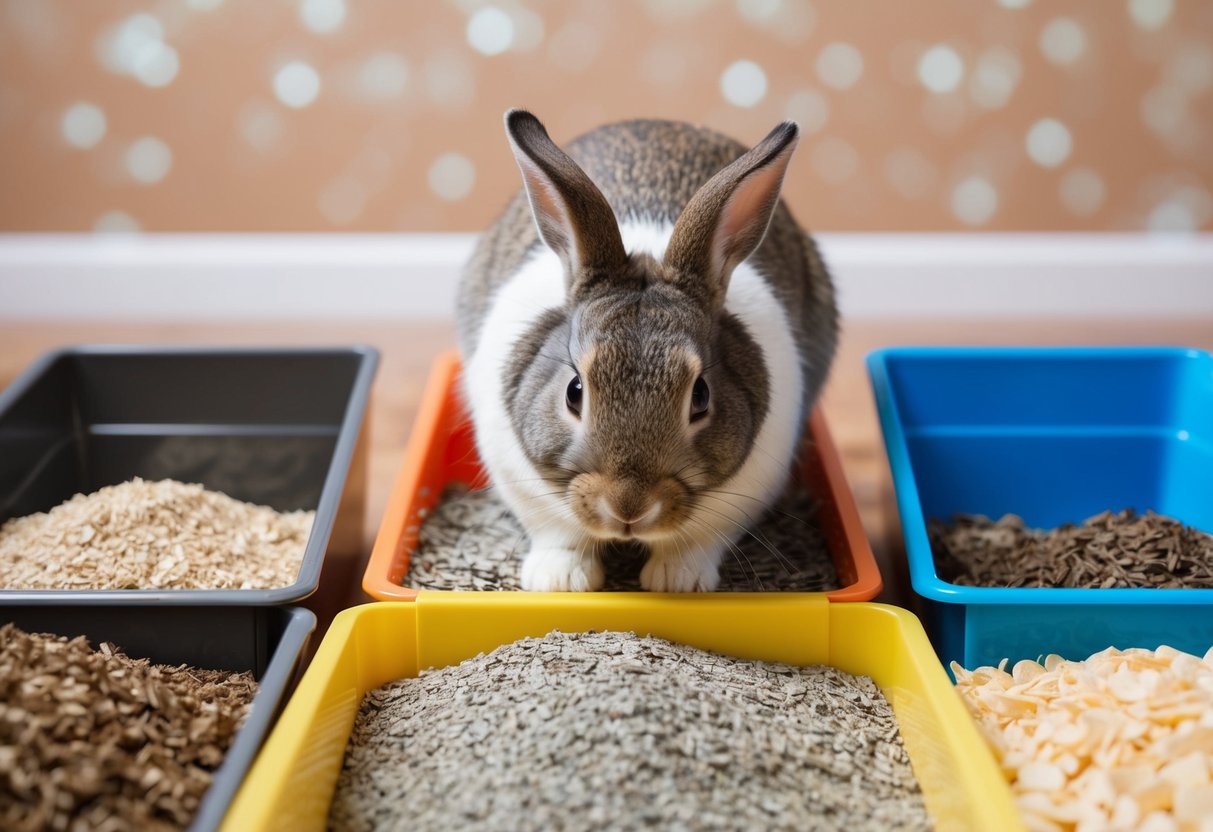
Selecting the right litter box and litter can make a big difference in controlling odor from your rabbit’s pee. The right choices will not only keep your home smelling fresh but also encourage litter training.
Appropriate Litter Box Size and Placement
Your rabbit’s litter box should be large enough for them to move around comfortably. A box that is too small can lead to accidents outside the box.
Aim for a box that is at least 24 inches long for smaller breeds and larger for bigger rabbits. Placement is also key.
Choose a quiet area away from your rabbit’s food and water. This helps your rabbit feel safe when using the box.
Clean the box regularly to maintain a fresh environment, as a dirty box is more likely to contribute to odors.
Safe and Effective Litter Choices
When it comes to litter, you should always choose rabbit-safe options. Avoid clay-based or clumping litters as they can be harmful to your pet.
Instead, consider options like Yesterday’s News, which is made from recycled paper and is both absorbent and odor-neutralizing. Other safe choices include carefresh and paper pellets.
These litters are comfortable for your rabbit and help minimize smell. Always check labels to ensure that the litter is free from harmful scents and chemicals.
Regularly changing the litter and maintaining cleanliness will greatly help in reducing unpleasant odors.
Routine Cleaning to Prevent Odors

Keeping your rabbit’s living space clean is key to preventing unpleasant odors. Regular cleaning helps to manage rabbit pee smell and keeps your home smelling fresh.
Here are some effective strategies for routine maintenance.
Daily Maintenance for Freshness
Start each day by checking your rabbit’s litter box. Remove any soiled bedding and replace it with fresh material. This simple task can significantly reduce rabbit urine smell.
Next, wipe down surfaces where your rabbit spends time. Use a damp cloth to clean up any spills or stray bits of food. This helps prevent odors from building up.
Additionally, you can sprinkle a bit of baking soda in the litter box. It is effective in absorbing odors and can help neutralize ammonia smells.
Thorough Weekly Cleanings
Plan for a more thorough cleaning once a week. Start by emptying the litter box completely.
Scrub the area with a mixture of white vinegar and water. This will help eliminate any lingering odors.
Don’t forget to clean your rabbit’s habitat as well. Remove all toys, food bowls, and bedding. Clean these items with hot, soapy water.
For extra odor control, consider using a solution made with hydrogen peroxide. It’s effective at cutting through stubborn smells and is safe for your rabbit.
Natural Cleaning Solutions
Using natural cleaning solutions is a great way to keep odors at bay.
For everyday cleaning, try a mixture of equal parts white vinegar and water. This solution will deodorize and disinfect at the same time!
Baking soda can also be sprinkled in areas where your rabbit spends time. It’s excellent for absorbing both moisture and odors.
If you prefer a commercial product, look for cleaning solutions that are labeled as pet-friendly. These can help combat rabbit odors without harmful chemicals. Always ensure any product is safe for your rabbit’s sensitive system.


