
When considering a pet rabbit, a common question arises: can rabbits live alone? The answer is yes, but living with a companion can greatly enhance their happiness and well-being. Rabbits are social animals that thrive on interaction, whether with other rabbits or their human caregivers.
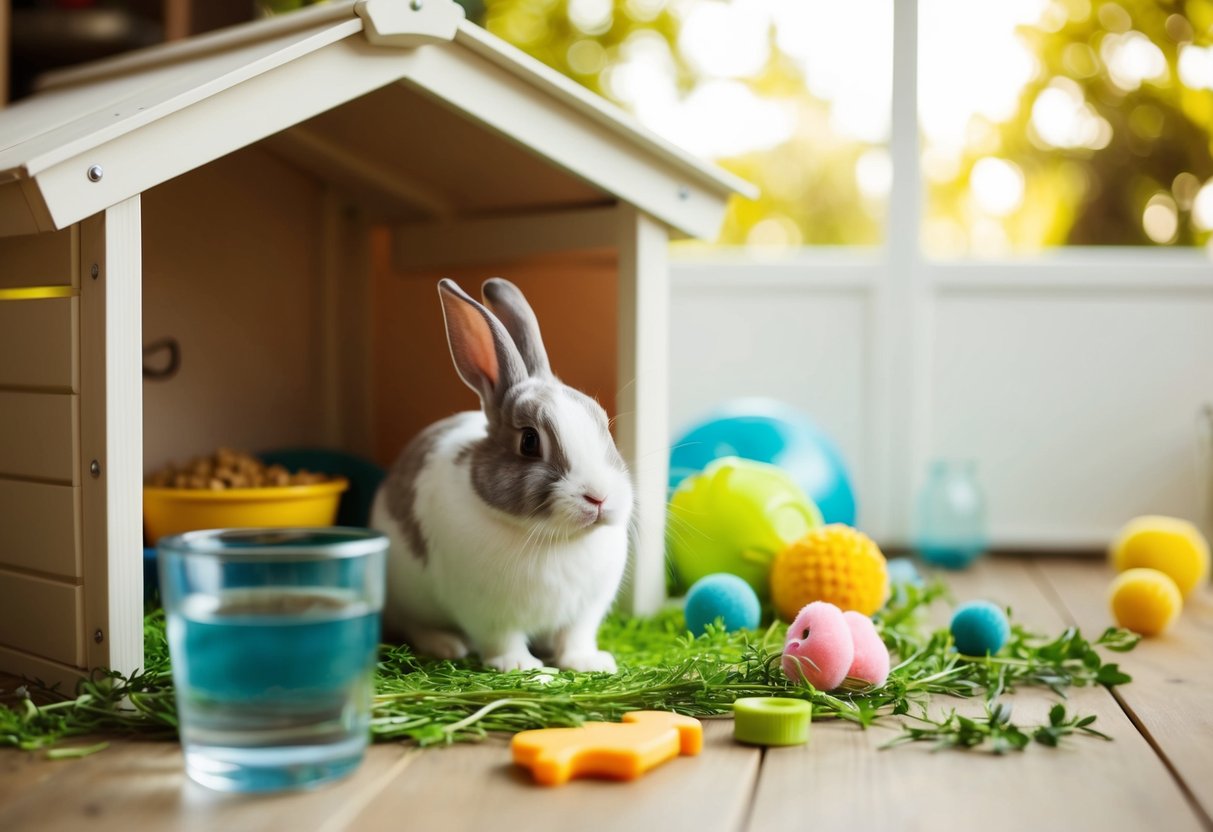
If you choose to have a single rabbit, you’ll need to provide plenty of attention, playtime, and enrichment to keep them content. Your affectionate bond can substitute for their natural need for companionship, but it requires commitment and effort.
Understanding their needs will help you create a loving environment where your rabbit can flourish.
Deciding to adopt a rabbit means considering their social nature. While they can adapt to solitude, the best choice for a happy pet is often to have them alongside a friend, whether furry or human. This companionship can lead to a richer, more fulfilling life for your pet.
Understanding Rabbit Social Needs

Rabbits are naturally social animals. They thrive on interaction and companionship, which impacts their well-being. Understanding their social needs is key to providing a happy home for your pet.
Social Animals by Nature
Rabbits are inherently sociable creatures. In the wild, they live in groups called colonies. This group life allows them to interact regularly and strengthen bonds.
Your pet rabbit will often benefit from companionship. While some rabbits can tolerate solitude, many become lonely without friends, leading to stress. A single rabbit might require more of your attention to ensure it feels secure and engaged.
Effects of Solitude on Rabbit Behavior
Loneliness can greatly affect your rabbit’s behavior. Many rabbits display signs of stress when left alone for long periods. Common behaviors may include:
- Lethargy: A rabbit might become less active.
- Destructive behaviors: This includes chewing on furniture or digging.
- Depression: Signs may appear as a loss of appetite or inactivity.
These behaviors can signal that your rabbit is unhappy. It’s essential to monitor their actions and provide proper social interaction to avoid these issues.
Benefits of Having Bonded Pairs
Keeping rabbits in bonded pairs can bring many advantages. Rabbits that live together often groom each other, play games, and snuggle. This companionship can lead to happier, healthier pets.
A bonded pair can help:
- Reduce loneliness: Two rabbits can keep each other company when you are away.
- Encourage play: They are more likely to engage in physical activity together.
- Share responsibilities: They support each other emotionally, which can lessen stress and anxiety.
If you choose to keep two rabbits, it’s crucial to ensure they are properly introduced. A compatible pair is likely to develop a strong bond that benefits both.
The Single Rabbit Dilemma

Keeping a single rabbit can raise important questions about their happiness and well-being. Understanding their signs of loneliness, whether they can thrive alone, and potential companion options is crucial for any rabbit owner.
Signs of Loneliness in Solo Rabbits
A single rabbit can show clear signs of loneliness. They may become withdrawn and less active, losing interest in playing or exploring. You might notice your rabbit engaging in destructive behavior, like chewing furniture or digging excessively. These actions can be signals of boredom or stress.
Pay attention to your rabbit’s eating habits too. A lonely rabbit might eat less or become picky. Health problems can also arise if your rabbit feels consistently alone.
It’s important to create a stimulating environment with toys and interaction to help curb these behaviors. Regular check-ins on their mood can ensure they remain happy and engaged.
Can a Single Rabbit Be Happy?
While rabbits are social animals, some single rabbits can lead happy lives with the right attention. A lone rabbit needs daily human companionship to remain content. Spending quality time with your rabbit through play, petting, and grooming is essential.
Keep in mind, if your rabbit previously lived with other rabbits, they might struggle more in solitude. Older rabbits, in particular, can be set in their ways and may not adjust well to being alone.
Daily activities and social interaction can help your rabbit feel fulfilled. Just remember, every rabbit’s personality is different; some adapt better than others to being solo.
Companion Options for a Solitary Rabbit
If you decide a single rabbit may not be the best fit, consider companion options. Bonding your rabbit with another rabbit is ideal, as they can provide each other comfort and play. When introducing a new rabbit, ensure they are compatible and help them establish a safe environment.
If you prefer a different species, like guinea pigs, they can sometimes live alongside rabbits. However, it’s essential to research their compatibility carefully. Not all animals interact well, and some can be territorial.
Optimizing Well-being for Single Rabbits

Taking care of a single rabbit can be rewarding but requires focused attention. You need to create a supportive environment and ensure ample interaction to keep your pet happy and healthy. Here are some important strategies to consider.
Enhancing the Environment for a Lone Rabbit
Your lone rabbit needs an engaging environment to thrive. Provide a spacious living area with various toys to stimulate their mind.
Chew toys, tunnels, and hiding spots can keep them active and entertained. Make sure to include soft bedding for comfort. Rabbits love to dig and burrow, so providing a place to satisfy this instinct is beneficial.
You can also create a routine that includes playtime in a safe, secure space. This helps your rabbit expend energy and reduces the chances of destructive behavior.
Finally, considering adding climbing structures like rabbits’ shelves or ramps can offer exercise and mental challenges.
The Importance of Human Interaction
A single rabbit needs human companionship. They thrive on attention and affection from you. Make time daily to pet, groom, and play with your pet. This bond can significantly improve their well-being.
You could also teach your rabbit tricks or commands using positive reinforcement. This not only stimulates their mind but also deepens your connection.
Social interaction helps prevent loneliness, which can lead to depression. If you notice signs of boredom or anxiety, it might be time to spend more quality time with your rabbit.
Your involvement helps fill the companionship gap that a second rabbit would normally provide.


