
When you bring a rabbit into your home, building trust with your new pet is important for a strong bond. Rabbits show their trust through specific behaviors that reflect their comfort and affection towards you. Understanding these actions will help you recognize how your bunny feels and improve your relationship.

As affectionate pets, rabbits express their trust in various ways. You might notice your bunny following you around or relaxing near you. These small actions indicate that your rabbit feels safe and secure in your presence, which is a great sign of trust.
Pay attention to how your rabbit interacts with you during playtime or when you try to pet them. Over time, you will become familiar with these behaviors, strengthening your connection with your furry companion.
Exploring these signs is essential for providing the best rabbit care and ensuring your pet thrives.
Recognizing Trustworthy Behavior in Rabbits
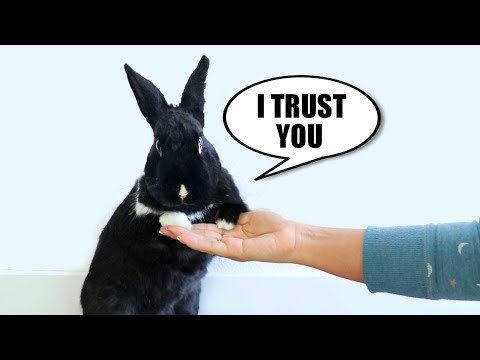
When a rabbit trusts you, it will show specific behaviors that reveal its feelings. Understanding these behaviors can strengthen your bond and help you appreciate your rabbit’s affection.
The Art of Binkying
Binkying is a joyful leap that rabbits do when they are happy and feeling safe. If your rabbit binkies around you, it means they trust you and enjoy being in your presence. You might see them jump and twist mid-air, which is a clear sign of their excitement. This playful behavior is not just for fun; it shows your rabbit feels confident in their environment.
Try to create a space where your rabbit can bounce freely. Encourage this behavior with toys and a safe area to explore. Knowing your rabbit trusts you brings a smile to your face as you witness their happiness.
Seeking Your Attention
When your rabbit follows you around or nudges you for affection, this shows that they want your attention. This behavior indicates that they feel safe enough to approach you. Rabbits enjoy being around their owners and will often seek out head rubs.
You may notice your rabbit looking at you intently or trying to get closer. This proves they love being in your company. It’s important to respond positively when your rabbit seeks you. Offering gentle pets or treats can reinforce your bond and show them that you care.
Enjoying Physical Contact
If your rabbit licks your hand or snuggles up next to you, this demonstrates trust and affection. Licking is a grooming behavior, showing that your rabbit views you as part of their family. When they flop down beside you, it reflects their comfort and safety.
Physical contact helps deepen your relationship. You can encourage this by spending time near your rabbit, allowing them to come to you on their terms. With plenty of love and patience, your rabbit will show you how much they adore your companionship through these endearing behaviors.
Understanding Rabbit Body Language

Rabbits communicate through body language, grooming behaviors, and vocalizations. Knowing these signs helps you understand what your rabbit is feeling and how much they trust you. Let’s explore some key ways rabbits show their feelings.
Grooming Signs
Grooming is a strong sign of trust. If your rabbit nibbles or licks you, it means they consider you part of their family. This is also a form of affection.
When rabbits groom each other, it helps strengthen their bonds. If your rabbit is willing to groom you, feel honored! It shows they feel safe and comfortable around you.
Look for signs of boredom or stress if they stop grooming. This means they might need more interaction or stimulation. Keeping your rabbit engaged through playtime can help maintain that bond.
Posture and Movement
Posture is crucial in rabbit communication. When a rabbit flops over on its side, it shows they feel relaxed and trust their surroundings. This behavior is often called “flopping.” It shows your rabbit isn’t worried about their safety.
Nuzzling is another sign of affection. If your rabbit nudges you with their nose, they are marking you as safe. It’s their way of saying, “You belong to me!”
Pay attention to your rabbit’s ears. If they are perked up and facing you, they are alert and friendly. If their ears are laid back, they might be scared or annoyed.
Vocal Communication
Rabbits also use vocalizations to express themselves. Tooth-clicking, for example, is a sound made when a rabbit is happy and relaxed. It’s similar to purring in cats.
Rabbits may also grunt or honk when they’re excited. This can happen when they see their favorite treats or toys. Listen carefully to these sounds; they are your rabbit’s way of communicating joy.
On the other hand, if your rabbit is thumping their hind feet, it indicates distress. They may feel scared or are trying to alert you. Understanding these vocalizations helps you respond to your rabbit’s needs better.
Bonding and Mutual Affection

Building a bond with your rabbit involves understanding their unique behaviors that show trust and affection. Two key ways rabbits express this deep connection are through playful interactions and mutual grooming.
Developing a Deep Connection
When your rabbit feels safe, you may notice they start to snuggle up to you. This is a sign of a deep bond forming. Your rabbit might also run around your feet, showing they enjoy your presence.
During playtime, look for playful binkies. These joyful leaps mean your rabbit is happy and comfortable. Another indicator is when your rabbit gives you gentle licks and nibbles. This behavior is like a friendly kiss, showcasing love and trust.
The more time you spend with your rabbit, the stronger your relationship will grow. Patience is key. Allow your rabbit to approach you at their own pace.
Mutual Grooming and Affection
Grooming is essential in rabbit bonding. Your rabbit may start grooming you by licking or nibbling gently. This act shows they view you as part of their family.
Setting aside time for grooming sessions is crucial. You can use a soft brush to help maintain their fur, while your rabbit reciprocates with affection.
When they groom each other, rabbits strengthen their bond. This turns grooming into a sign of love and trust. Watching your rabbit engage in these behaviors helps you understand their feelings better. The more they groom you, the deeper your connection becomes.


