
Rabbits are more than just cute, fluffy pets. They are social creatures that form strong bonds with their human companions. Rabbits do care about you, and they show their affection in many ways. Knowing how to recognize these signs can help deepen your relationship with your furry friend.
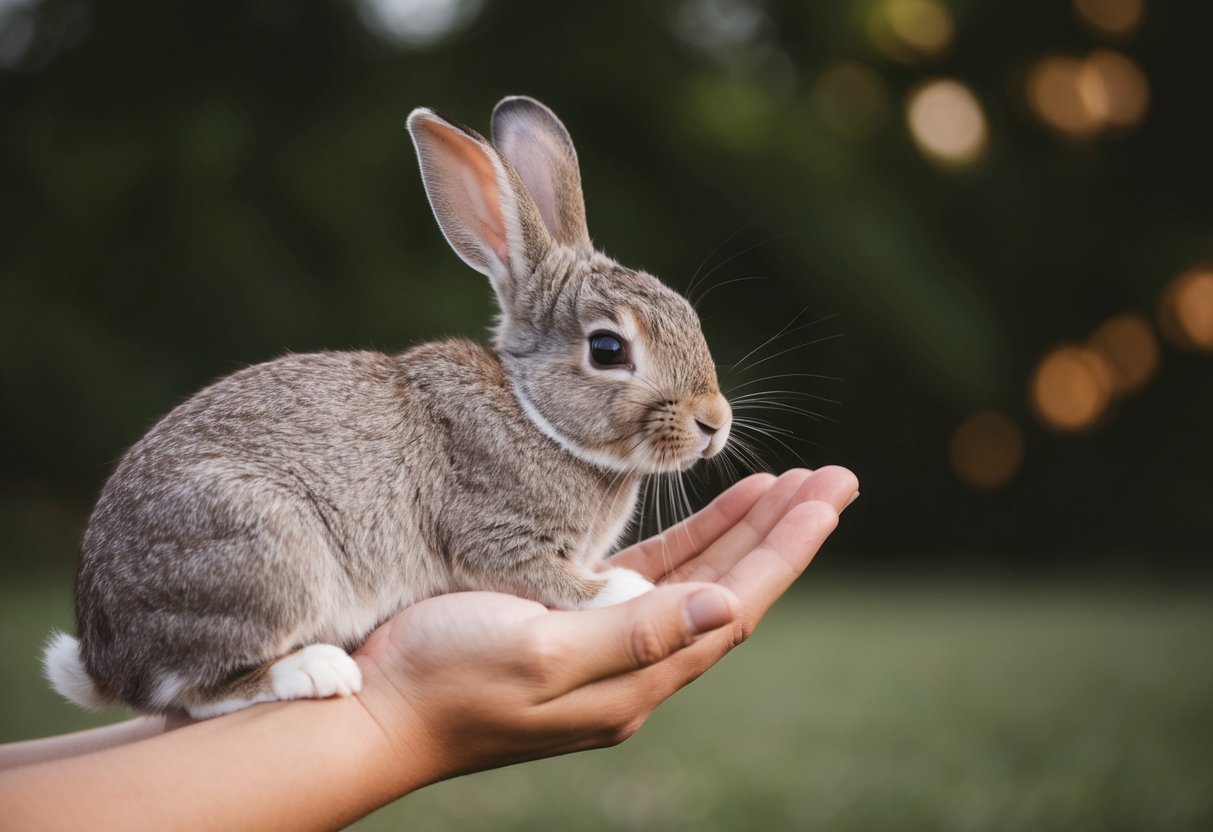
From gentle grooming to playful binkying, rabbits express love and trust in their own unique ways. You might notice your rabbit following you around or sitting close to you, both signs that they enjoy your company.
Understanding these behaviors is key to enhancing your connection with your pet.
As you explore the signs of rabbit affection, you’ll discover just how much these animals can love and care for their owners. Learning to recognize their feelings will not only make you a better pet owner but also enrich the time spent with your rabbit.
Understanding Rabbit Behavior

Rabbits have unique ways of expressing their feelings and needs. By observing their body language and sounds, you can gain insight into what your rabbit is trying to communicate.
Body Language and Vocalizations
Rabbits use body language to show how they feel. For example, if your rabbit is lying down with its feet stretched out, it usually means they are relaxed and comfortable. In contrast, a rabbit that is thumping its hind legs might be signaling danger or discomfort.
Common signs to watch for:
- Ears up and forward: Curious or alert.
- Ears back: Annoyed or scared.
- Nose twitching: Interested or excited.
Vocalizations also play a role. Soft tooth clicking can mean your rabbit is happy. If they grunt or growl, it indicates frustration or annoyance. Understanding these cues will help you respond to your rabbit’s needs more effectively.
The Meaning of Binky
A binky is a joyful leap and twist your rabbit does when they are feeling playful and happy. It’s a sign that your rabbit feels safe and content in their environment. When you see your rabbit doing binkies, you can be sure they are enjoying their time with you.
Binkies are often accompanied by other behaviors, such as running in circles or rolling. This playful demeanor shows how excited and energetic your rabbit can be.
Recognizing these joyful expressions is vital in building a strong bond with your pet. Watching your rabbit play and binky can provide you with joy and reassurance that they are happy.
The Social Nature of Rabbits
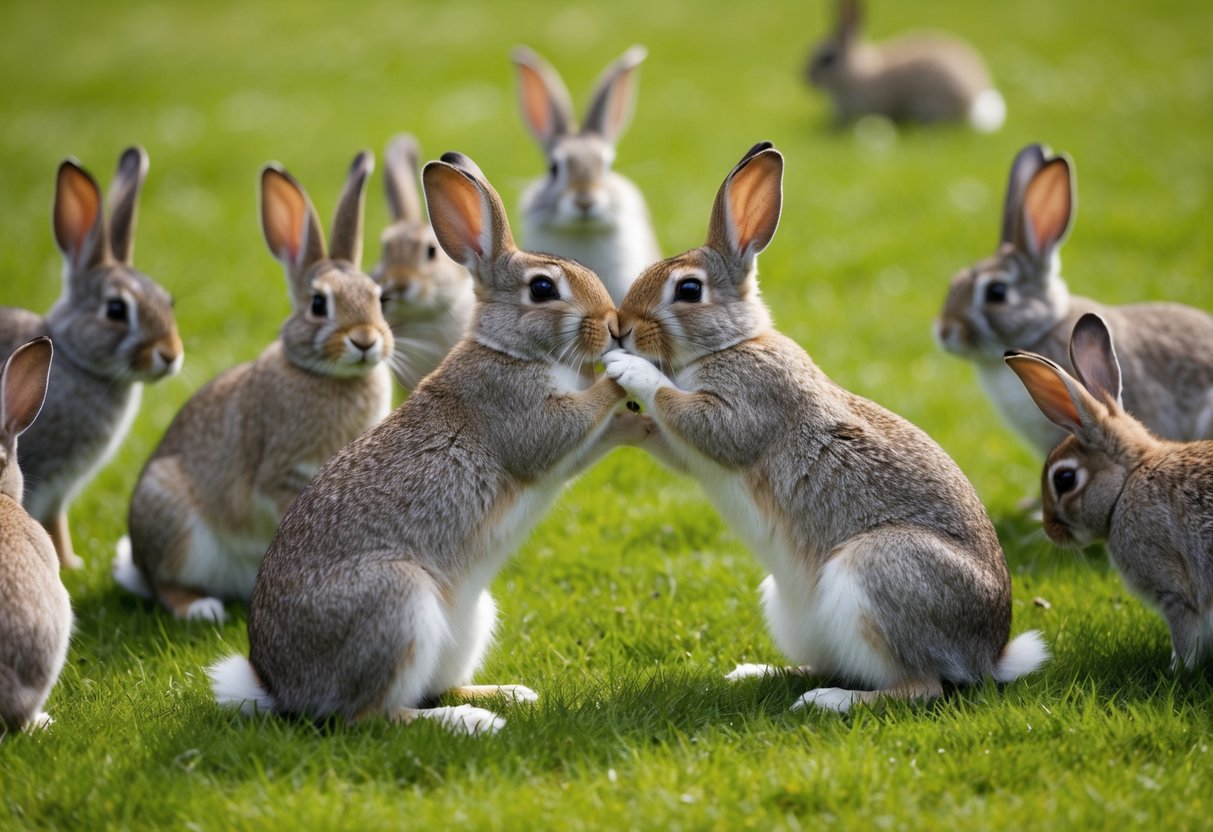
Rabbits are naturally social animals that thrive on interaction and companionship. Their social behaviors offer insight into how they bond with each other and with humans. Understanding these behaviors can help you foster a loving relationship with your bunny.
Grooming and Bonding
Grooming is an important aspect of rabbit social behavior. When rabbits groom each other, it strengthens their bond and shows trust. You might notice your rabbit grooming you as well. This behavior is often a sign of affection, as your pet sees you as part of their social group.
To encourage this bond, spend time each day gently petting and brushing your rabbit. Not only does this promote a clean coat, but it also builds trust and comfort in your relationship.
Watch for signs of enjoyment, like purring or relaxed body language, to ensure your grooming sessions are positive experiences.
Rabbit Affection Towards Humans
Rabbits can be very affectionate towards their human companions. They express this affection in several ways, such as following you around, nudging for attention, or even lying next to you. These behaviors indicate your rabbit feels safe and happy in your presence.
To deepen your connection, engage in playtime and provide interactive toys. Rabbits enjoy exploring and need mental stimulation.
If your rabbit approaches you for cuddles or attention, take it as a sign of their love. Building this bond requires patience, but the rewards of a loving, affectionate pet are worth it.
Caring for Your Pet Rabbit

Caring for your pet rabbit involves understanding their essential needs and ensuring their health and nutrition. By paying attention to these areas, you can create a loving and supportive environment for your furry friend.
Essential Needs and Comfort
Your pet rabbit has specific needs for comfort and safety. A spacious cage is important, allowing enough room for them to stretch and move around. The floor of their enclosure should be non-slip to prevent injuries.
Consider adding washable carpeting or straw for a cozy nest. Rabbits also need areas to dig and explore.
Using a litter box with dye-free paper litter is best; avoid clumping litter as it can be harmful.
Don’t forget to provide plenty of enrichment with tunnels, chew toys, and hiding spots. Regular interaction and socialization with you will keep your rabbit happy and bonded.
Health and Nutrition
Healthy rabbits require a well-balanced diet and regular health check-ups. The foundation of their diet should be high-quality hay, like timothy or oat, which should always be available.
Fresh vegetables, such as leafy greens, are also essential for their health.
You should limit pellets and avoid sugary treats.
Regular grooming helps maintain their coat and reduce shedding. Brushing them often with a soft brush is recommended.
Don’t forget to schedule regular vet visits for vaccinations and spaying or neutering. Keeping your rabbit’s nails trimmed is crucial for preventing injuries.
Paying attention to these health aspects will help ensure your rabbit lives a long, happy life.
Choosing the Right Rabbit Breed

Selecting the right rabbit breed is essential for a happy and fulfilling pet experience. Different breeds come with unique characteristics and care requirements. Knowing these details helps you choose a bunny that fits your lifestyle.
Popular Rabbit Breeds
There are many rabbit breeds to consider. Some of the most popular ones include:
- Dutch: Friendly and calm, they adapt well to families.
- Holland Lop: Small and affectionate, these bunnies love to cuddle.
- Netherland Dwarf: Playful and energetic, they entertain with their curious nature.
- Lionhead: Known for their fluffy manes, they are friendly and sociable.
Each breed has its own personality. Researching what each breed is like can help you pick one that matches your family’s energy.
Behavioral Traits of Lionhead Rabbits
Lionhead rabbits are unique and charming. They are known for their fluffy mane, which gives them a lion-like appearance. This breed is often playful and enjoys interaction.
Lionhead bunnies are generally friendly and respond well to socialization. They crave companionship and thrive when they receive attention from you.
In addition, they are curious and can quickly become bored. Providing toys and stimulation is important to keep their minds engaged.
With the right care, Lionheads can be loyal and loving pets.
Understanding the specific behavior of Lionhead rabbits helps you cater to their needs and bond with them effectively.


