
Rabbits are fascinating creatures that many people adore. Here are 10 interesting facts about rabbits that can help you better understand these charming lagomorphs. From their unique ways of communicating to their impressive breeding abilities, rabbits have much more to them than just their fluffy fur and long ears.
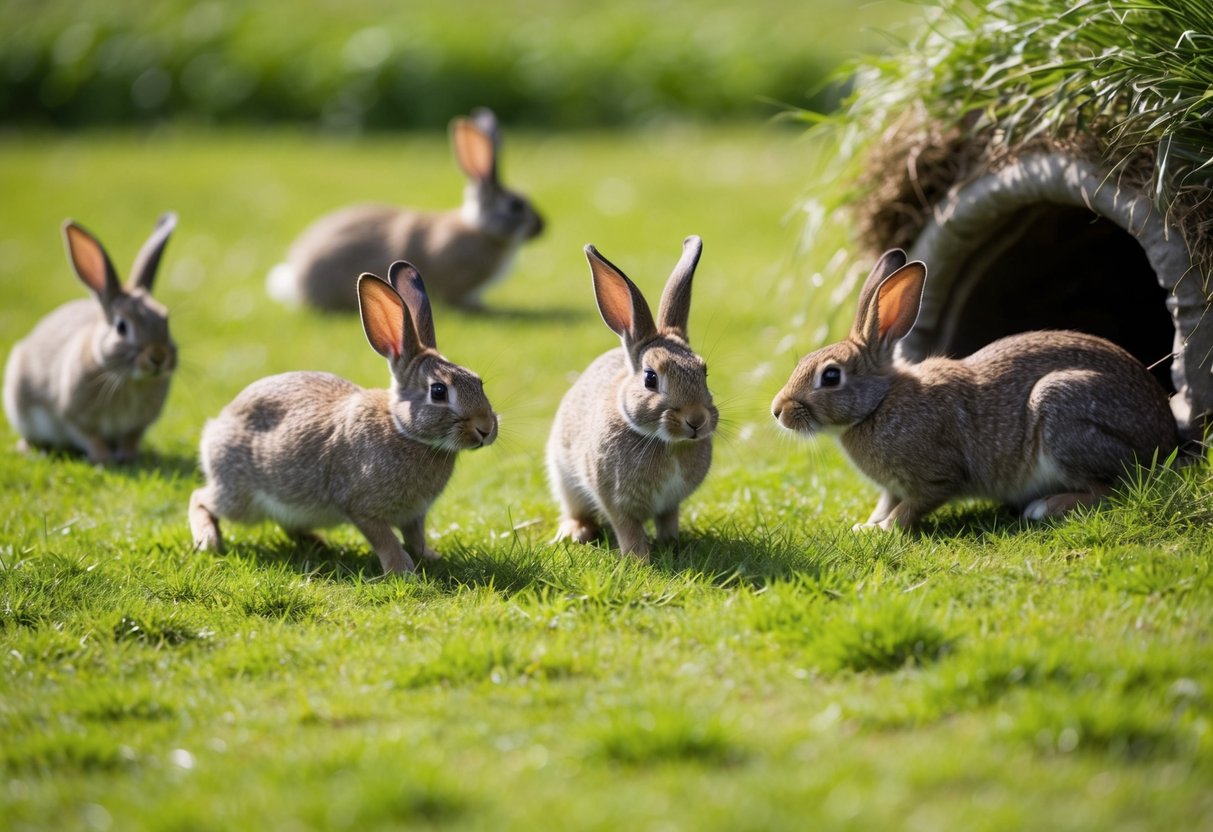
You might be surprised to learn that there are over 29 species of rabbits, each with its own characteristics. These small mammals are known not only for their adorable appearance but also for their social habits and remarkable physical features.
Whether you’re hoping to own a rabbit as a pet or simply want to learn more, these fun facts will add to your appreciation of these lively animals.
So, let’s hop right into the world of rabbits and discover the traits that make them such a delightful part of nature!
Physical Characteristics

Rabbits have some unique physical features that make them special. From their sizes and fur to their unique ears and teeth, each aspect helps them survive in the wild and thrive as pets.
Size and Fur
Rabbits come in various sizes. The largest rabbit breeds include the Flemish Giant and the Continental Giant. These rabbits can weigh between 10 and 16 pounds or more, depending on their breed.
Most rabbits are small, averaging about 2 to 4 pounds.
Their fur is typically soft and dense, providing insulation. You might notice rabbits in colors ranging from white to brown and gray. Some have patterns, adding to their charm.
Regular grooming helps keep their fur healthy and prevents mats and tangles.
Unique Ears and Teeth
Rabbits are easily recognized by their long ears, which can measure up to 4 inches. These ears help them notice sounds from far away, improving their chance of escaping predators.
Their ears also help regulate body temperature.
Another interesting feature is their teeth. Rabbits’ teeth grow continuously throughout their lives, so they need to chew on tough foods to keep them worn down. This is crucial for preventing dental problems.
These adaptations make rabbits fascinating animals that are well-suited for their environments.
Diet and Habitat

Rabbits have a special diet and unique habitats that keep them safe and healthy. Understanding what they eat and where they live helps you appreciate these fascinating creatures.
What Rabbits Eat
Rabbits are herbivores, meaning their diet is made up solely of plants. They enjoy a variety of foods, including grasses, hay, leafy greens, and vegetables.
Common options are romaine lettuce, kale, and parsley.
It’s important to note that rabbits should avoid high-sugar foods like carrots, as these can upset their stomachs.
Rabbits rely on their strong front teeth to help them nibble through tough plant material. Their sense of smell is excellent, allowing them to find fresh food quickly. This helps them survive in the wild, where they can find plenty of tasty plants to munch on.
Natural Habitats and Warrens
In the wild, European rabbits typically live in a mix of habitats, including grassy fields, forests, and scrublands. They create burrows known as warrens to stay safe from predators.
A warren can house many rabbits and includes multiple entrances for quick escapes.
These underground homes provide shelter, a place to raise young, and protection from harsh weather. A warren can be quite complex, sometimes spanning several meters and containing many tunnels.
This unique living arrangement helps rabbits thrive in various environments, making them quite adaptable.
Social Behavior and Communication
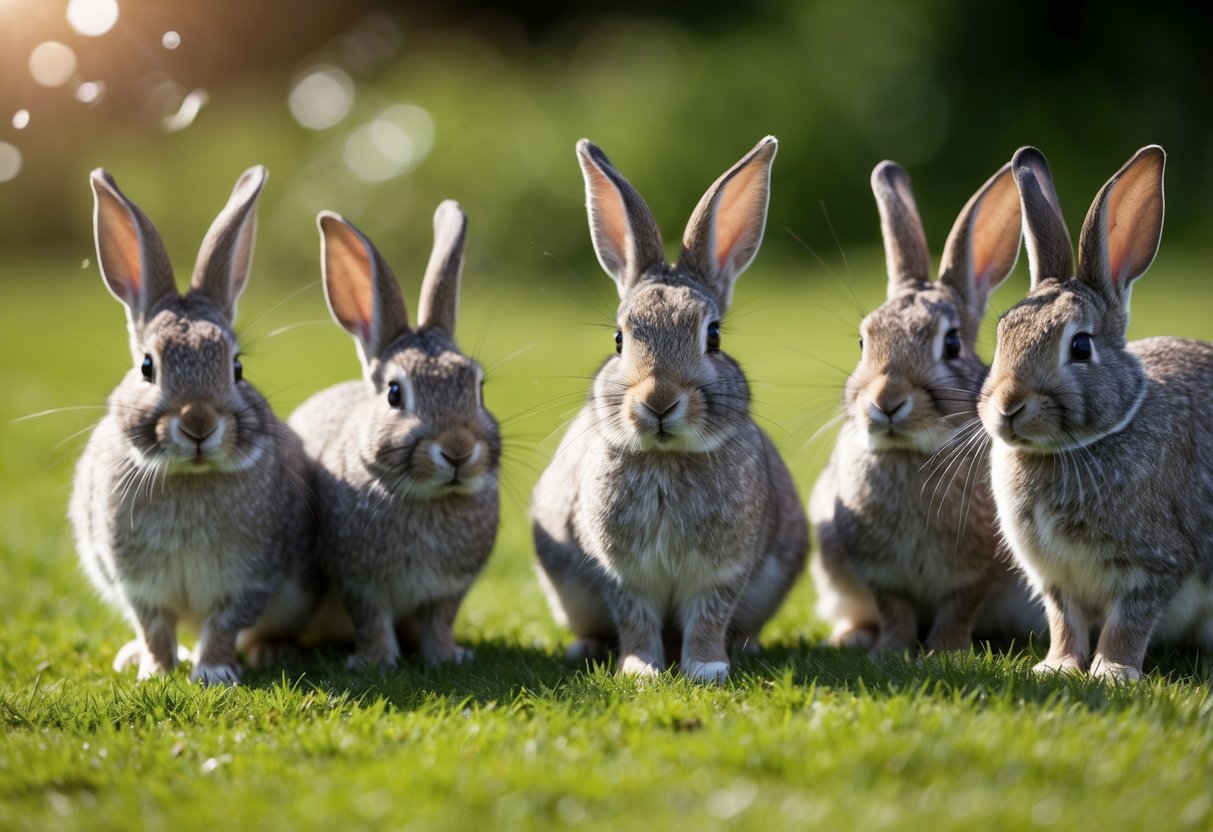
Rabbits are social creatures with unique behaviors and ways to communicate. Understanding how they interact can help you create a better environment for your pet.
Understanding Rabbit Behavior
Rabbits thrive on social interactions. In the wild, they live in groups for safety and companionship. Your pet rabbit will likely enjoy bonding with you and other rabbits.
-
Body Language: Rabbits express feelings through body language. For example, if your rabbit flattens its ears, it might be scared or annoyed. On the other hand, if the ears are upright, it may be curious and alert.
-
Binkies: When your rabbit jumps and twists in the air, it’s doing a “binky.” This joyful action shows that your rabbit is happy and comfortable in its environment.
Communication and Happy Rabbits
Rabbits communicate in various ways, from vocal sounds to movements. Understanding these signals can deepen your bond with your pet.
-
Vocalizations: Rabbits make soft sounds like purring when they are content. They may also thump their back feet to signal danger.
-
Following Behavior: If your rabbit follows you around, it shows trust and affection. This behavior indicates that your pet sees you as a friend.
Daily interaction and attention help keep your rabbit happy and healthy. Noticing these signs can lead to a stronger friendship with your furry companion.
Rabbit Varieties and Breeding
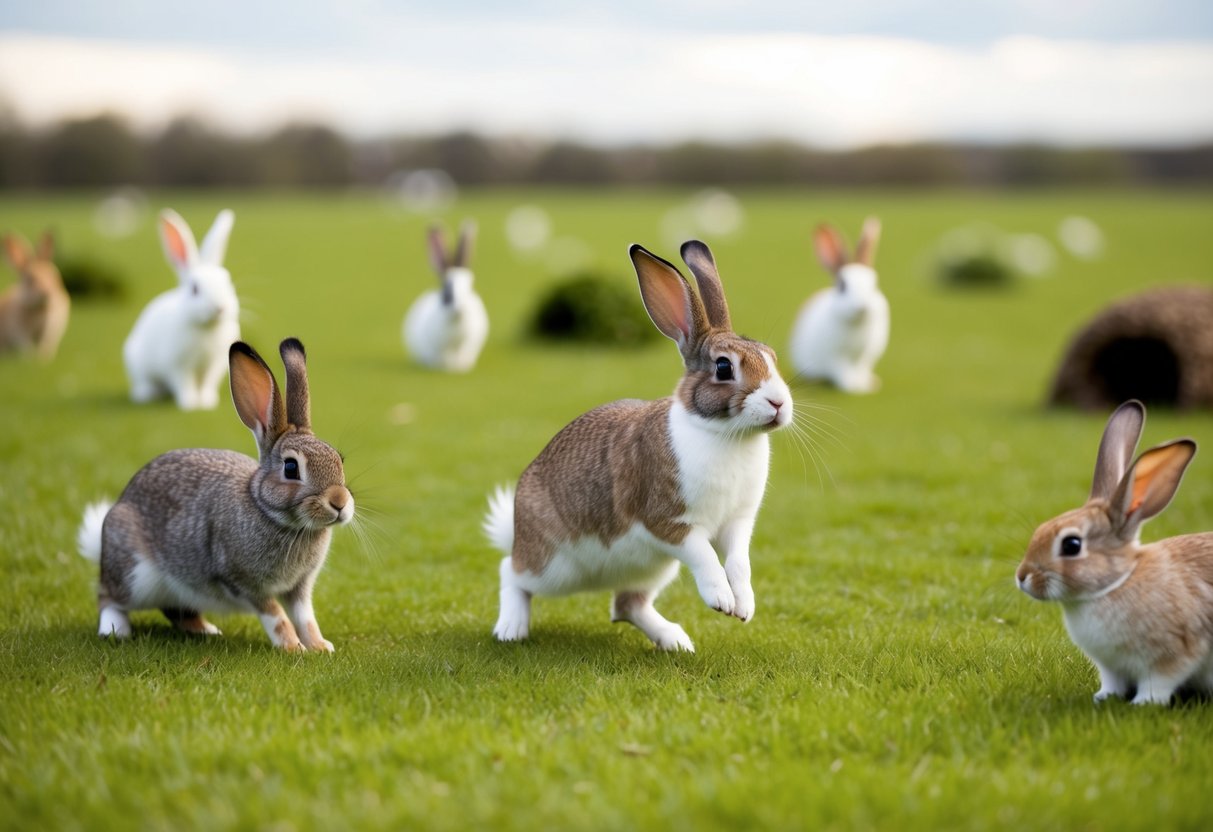
Rabbits come in various breeds and have interesting life cycles. Understanding these aspects can help you take better care of your pet rabbits or appreciate the diversity among wild rabbits.
Different Rabbit Breeds
There are many rabbit breeds, each with unique characteristics. Some popular ones include:
- American: Known for their friendly nature and medium size.
- Holland Lop: A small breed with floppy ears, perfect for families.
- Flemish Giant: One of the largest breeds, can weigh over 14 pounds.
- Netherland Dwarf: Tiny and adorable, they are great companions.
Rabbit breeds can be classified into two main types: wild rabbits and domestic rabbits. While wild rabbits often live in natural habitats, domestic rabbits thrive in homes as pets. Understanding the breed helps you recognize the specific care each type needs.
Breeding and Life Cycle
Rabbits are known for their quick breeding. A female rabbit, called a doe, can start having babies, or kits, as early as four to five months old. Meanwhile, a male rabbit is referred to as a buck.
The gestation period for a doe is about 30 to 33 days, and she can have several kits in one litter.
Baby rabbits, also known as kittens or kits, are born blind and hairless. They rely on their mother for food and warmth.
As they grow, usually around three weeks old, they begin to explore their surroundings and eat solid food. At around six to eight weeks, they can be weaned and are ready for new homes.


