
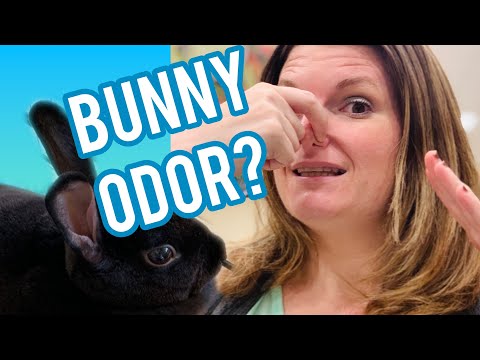
If you’re considering welcoming a pet rabbit into your home, you might wonder, do pet rabbits generally smell bad? These animals are known for their cleanliness and often groom themselves just like cats. With proper care, you can keep your home fresh and free from unpleasant odors.

Many people worry that keeping a rabbit indoors will lead to a smelly environment. However, the key to a clean space lies in regular maintenance, particularly around their living areas. By cleaning the litter box daily and providing fresh water, you can help ensure that your house bunny remains a delightful companion.
Understanding your pet’s needs is crucial. If your rabbit does have an odor, it could be a sign of other health issues or that it’s time for a deep clean of their habitat. Keeping your rabbit healthy and their space tidy will help you enjoy the joys of having a clean, happy pet.
Understanding Rabbit Odor

Rabbit odor can be an important topic for pet owners. Knowing how your rabbit’s biology affects smell and how domestic rabbits differ from wild ones can help you maintain a fresh and pleasant environment.
Biology of Rabbit Scents
Rabbits naturally produce some smells due to their bodily functions. Their urine and feces can emit strong odors, especially in unaltered rabbits. Male rabbits often have a more intense smell compared to females if they are not neutered.
Rabbit urine contains ammonia, which is particularly potent. Regular cleaning of the litter box can help keep these smells in check. Healthy rabbits should have minimal odor. If you notice strong scents, it might indicate health issues or dietary problems.
Grooming your rabbit can also reduce natural musk. Maintaining good hygiene is key for limiting odors from your furry friend.
Comparing Domestic and Wild Rabbits
Domestic rabbits, unlike their wild counterparts, are more accustomed to living in close quarters with humans. This can make their odors more noticeable in your home. Wild rabbits tend to have less pronounced scents because they live in more natural settings.
The diet of a domestic rabbit can influence its smell. An improper diet may lead to strong-smelling waste. In contrast, wild rabbits have a varied diet that helps manage their odors better.
Spaying or neutering your pet can significantly reduce strong smells. This is especially true for male rabbits. Understanding these differences can help you create a more comfortable living space free from overpowering odors.
Maintaining a Fresh Environment

Keeping your home fresh with house bunnies is important for both you and your pet. With the right litter box and effective ventilation techniques, you can reduce odors and create a clean living space.
Choosing the Right Litter Box
Selecting a suitable litter box can greatly improve odor control in your home. A large, open litter box allows your rabbit to comfortably use it without feeling cramped.
Choose a high-quality litter that absorbs moisture well. Options like paper-based or aspen shavings are good choices. Avoid litter made from clay or those with strong fragrances, as they can upset your bunny’s sensitive nose.
Consider placing grass hay on top of the litter to encourage your rabbit to use the box. Regularly scoop out waste daily and fully clean the box weekly to prevent buildup. If your bunny is litter trained, consistency in cleaning will help maintain a fresh and smelly-free environment.
Effective Ventilation Techniques
Good ventilation is essential for keeping your house smelling fresh. Open windows when weather allows to let in fresh air. This helps disperse any lingering odors from rabbit pee or other waste.
Using fans can also improve air circulation. Position them strategically to enhance airflow throughout the room where your bunny stays. If possible, consider using an air purifier to filter out unwanted smells.
Regularly check for damp areas or any soiled bedding that can contribute to odors. Keeping your rabbit’s living space clean and well-ventilated will create a healthier and more pleasant environment for both you and your pet.
Health and Hygiene for House Rabbits
Maintaining your rabbit’s health and hygiene is crucial for a happy and clean home. By focusing on proper care practices, you can help prevent odors and keep your bunny healthy.
Importance of Spaying and Neutering
Spaying and neutering can greatly influence your rabbit’s health. These procedures help prevent various health issues, such as reproductive cancers, especially in female rabbits.
Fixed rabbits are also less likely to develop behavioral problems. You will notice your rabbit may be calmer and less territorial, making it easier to maintain a peaceful home environment.
This can also help prevent marking behavior, which contributes to unpleasant smells. Additionally, spaying or neutering your rabbit can aid in effective litter training, reducing messes around your home.
Diet and Digestive Health
A balanced diet is vital for your rabbit’s digestive health. Rabbits should mainly eat hay, fresh vegetables, and a small amount of pellets.
This diet helps in producing cecotropes, a type of poop that provides essential nutrients. Make sure to provide high-fiber foods to prevent obesity and other health issues.
Watch for signs of digestive problems, such as decreased appetite or changes in stool. These might indicate a serious issue, and you should consult a vet if you notice anything unusual.
Regular access to fresh water is also important. Proper hydration aids digestion and helps maintain overall health.
Addressing Poopy Butt and Mobility Issues
Poopy butt, a common problem in rabbits, occurs when feces stick to the fur around the rear. This may happen due to an improper diet or health issues.
If you notice poopy butt, examine your rabbit’s food and ensure they are getting enough fiber. In some cases, weight gain or health problems can lead to mobility issues, making it hard for your bunny to groom itself.
For elderly or obese rabbits, assist in grooming by trimming matted fur and cleaning the area around their backside. Regular check-ups with a vet will also help you catch any underlying health issues that could be affecting your rabbit’s hygiene.
Litter Training and Cleanup Routines

Litter training your rabbit and keeping their area clean are essential for reducing odors and making your home more pleasant. By following clear steps and establishing a regular cleaning routine, you can ensure a happy environment for both you and your pet.
Steps for Litter Training Your Rabbit
To successfully litter train your rabbit, start by choosing a litter box that is easy to access. Place it in a corner of their cage or a favored spot.
- Use the Right Litter: Choose a safe, absorbent litter like paper-based or aspen shavings. Avoid clumping clay litters, as they can be harmful.
- Encourage Use: Add some of your rabbit’s poop to the box to help them recognize it as their bathroom.
- Be Consistent: Clean up any mess outside the box regularly. If they have accidents, don’t scold them; gently guide them back to the litter box.
Most rabbits catch on quickly! With patience and consistency, your pet should be successfully trained in a few days.
Daily and Weekly Cleaning Habits
Establishing a regular cleaning routine is vital for your rabbit’s health.
- Daily: Check the litter box. Remove soiled litter and replace it with fresh litter. This helps reduce odors and keeps your rabbit comfortable.
- Weekly: Clean the entire cage. Use a pet-safe cleaner to wipe down surfaces and disinfect the area.
Don’t forget to give your rabbit a quick butt bath if needed, especially if they get messy. Keeping things clean ensures a happy and odor-free home!


