
If you’re a dog owner, you might wonder about your furry friend’s emotional well-being when they miss their daily walks. Dogs thrive on routine, and walks are not just about exercise; they provide mental stimulation and opportunities for exploration. Dogs can feel sad if they don’t get regular walks, as this can lead to boredom and frustration.
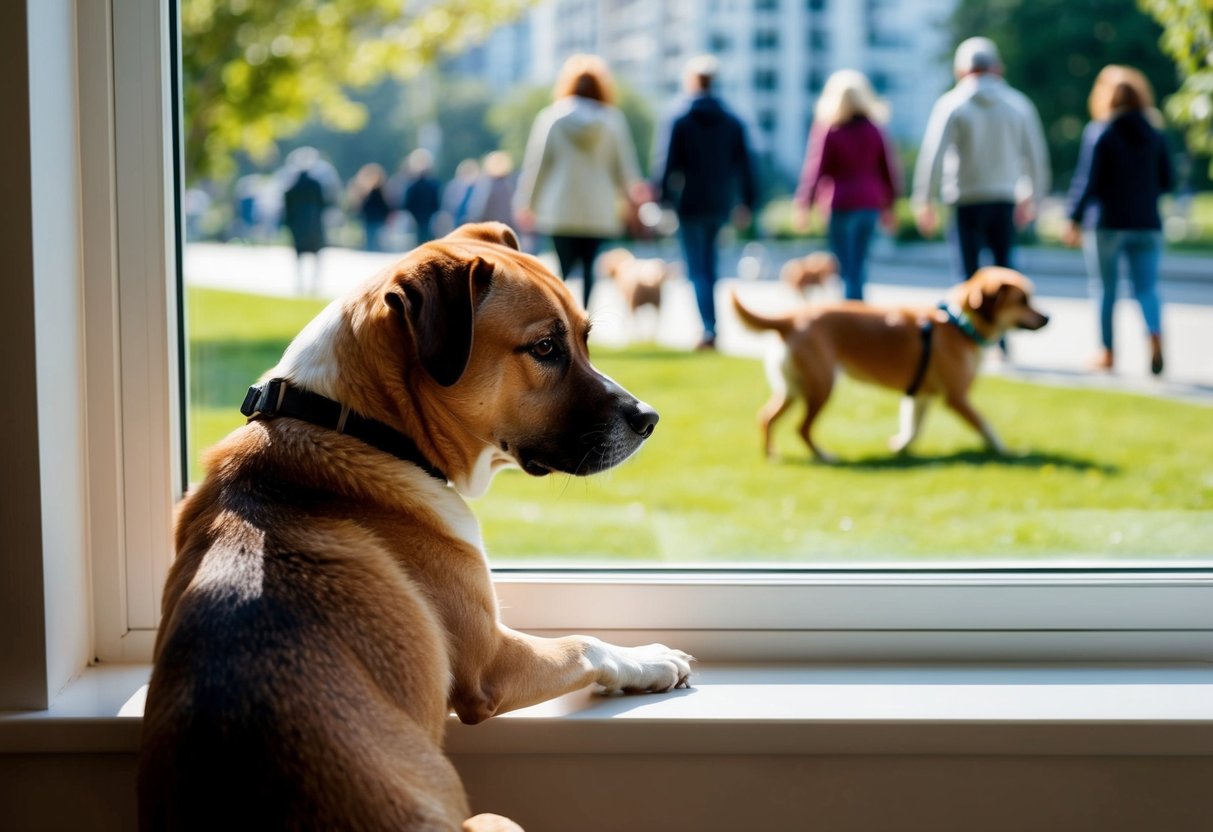
Taking your dog out helps them release pent-up energy and discover new sights and smells, which is essential for their happiness. Without this activity, they might become restless or withdrawn.
Your dog’s happiness relies on you to meet their physical and emotional needs. Exploring the reasons behind their feelings can ensure that they remain active and joyful.
Understanding Canine Emotions
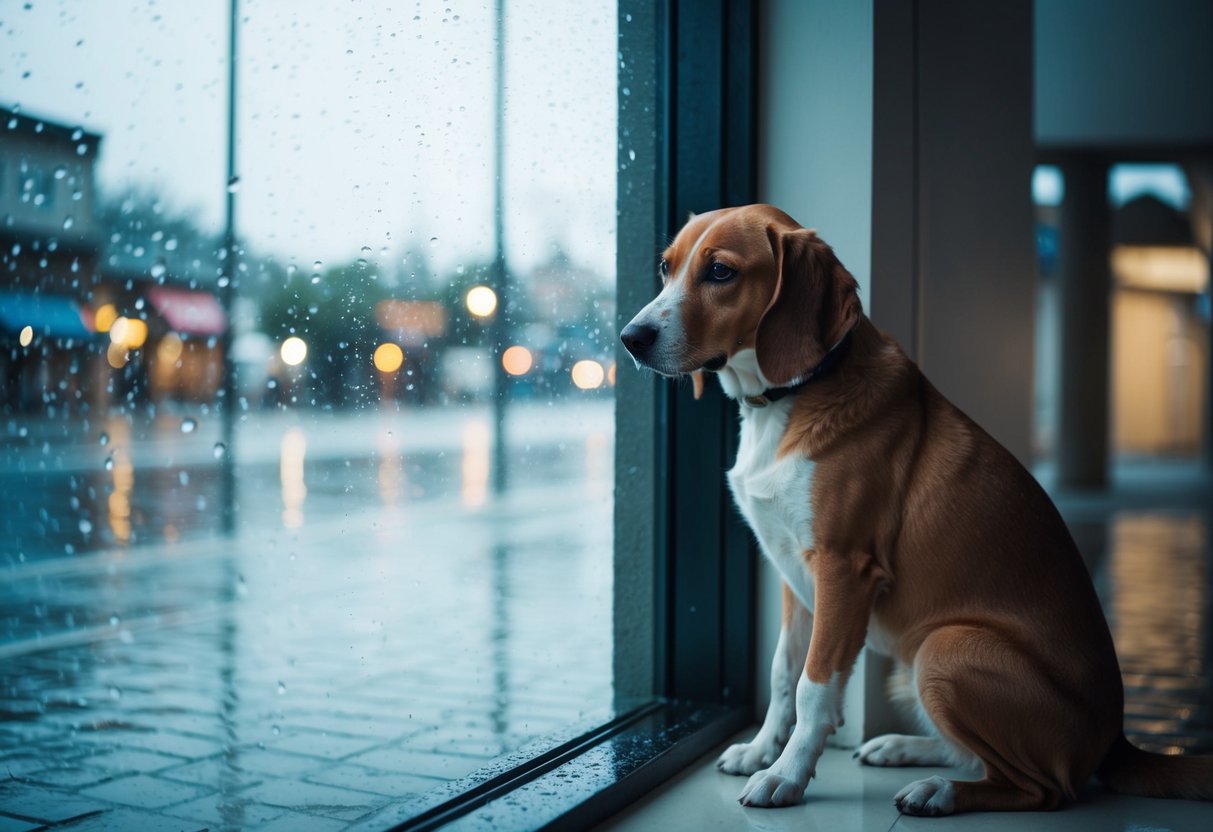
Your dog can experience a range of emotions similar to humans. Recognizing signs of sadness and understanding what may contribute to dog depression can help you support your furry friend.
Signs of Sadness in Dogs
Dogs can’t speak, but their behavior provides clues about how they feel. Signs that your dog may be sad include:
- Decreased Activity: If your dog is less playful or more lethargic than usual, they might be experiencing sadness.
- Reduced Appetite: Changes in eating habits can indicate emotional distress. If your dog refuses to eat, it’s worth noting.
- Lack of Eye Contact: Dogs often make eye contact to connect with you. Avoiding this can be a sign they are feeling down.
- Excessive Licking: Some dogs lick themselves to cope with stress or sadness. This can also lead to skin issues if it becomes excessive.
Watching for these behaviors will help you understand your dog’s emotions better.
Factors Contributing to Dog Depression
Several factors can cause sadness in dogs. Understanding these can help you take steps to improve their mood. Some common contributors include:
- Change in Routine: Dogs thrive on routine. Missing walks or changes in their schedule can lead to feelings of sadness.
- Social Isolation: Dogs are social animals. Lack of interaction with you or other pets can contribute to depression.
- Health Issues: Sometimes, sadness can stem from underlying health problems. Always consult your vet if you notice persistent signs of distress.
- Environmental Changes: New surroundings or the absence of familiar people can affect your dog’s emotional state negatively.
Being aware of these factors allows you to create a happier and healthier environment for your dog.
The Importance of Walks for Dogs

Taking your dog for walks is essential for their well-being. Regular walks provide both physical health benefits and boost their mental health. This routine can help your furry friend thrive in many ways.
Physical Health Benefits
Daily exercise, including walks, is crucial for your dog’s physical health. It helps maintain a healthy weight and reduce the risk of obesity. Many dogs, especially active breeds, need the opportunity to burn off energy.
Walking also supports cardiovascular health. It stimulates their heart and lungs, promoting overall fitness. The movement strengthens muscles and improves flexibility, which is important as dogs age.
Regular walks can also help prevent health issues such as joint problems. Keeping your dog moving aids in digestion and helps regulate their metabolism, ensuring they stay healthy and happy.
Psychological and Emotional Benefits
Walking provides more than just physical exercise; it also greatly benefits your dog’s mental state. Dogs are social animals, and walks expose them to new scents, sights, and sounds. This variety keeps their minds engaged.
Without enough stimulation, dogs can become bored or anxious. This can lead to behavior problems like chewing or barking. Regular walks help combat these issues and improve their overall mood.
Social interactions are important for dogs, too. Meeting other dogs and people during walks can help reduce anxiety and fear, making your dog more well-rounded and confident.
Effects of Missing Walks on Dogs
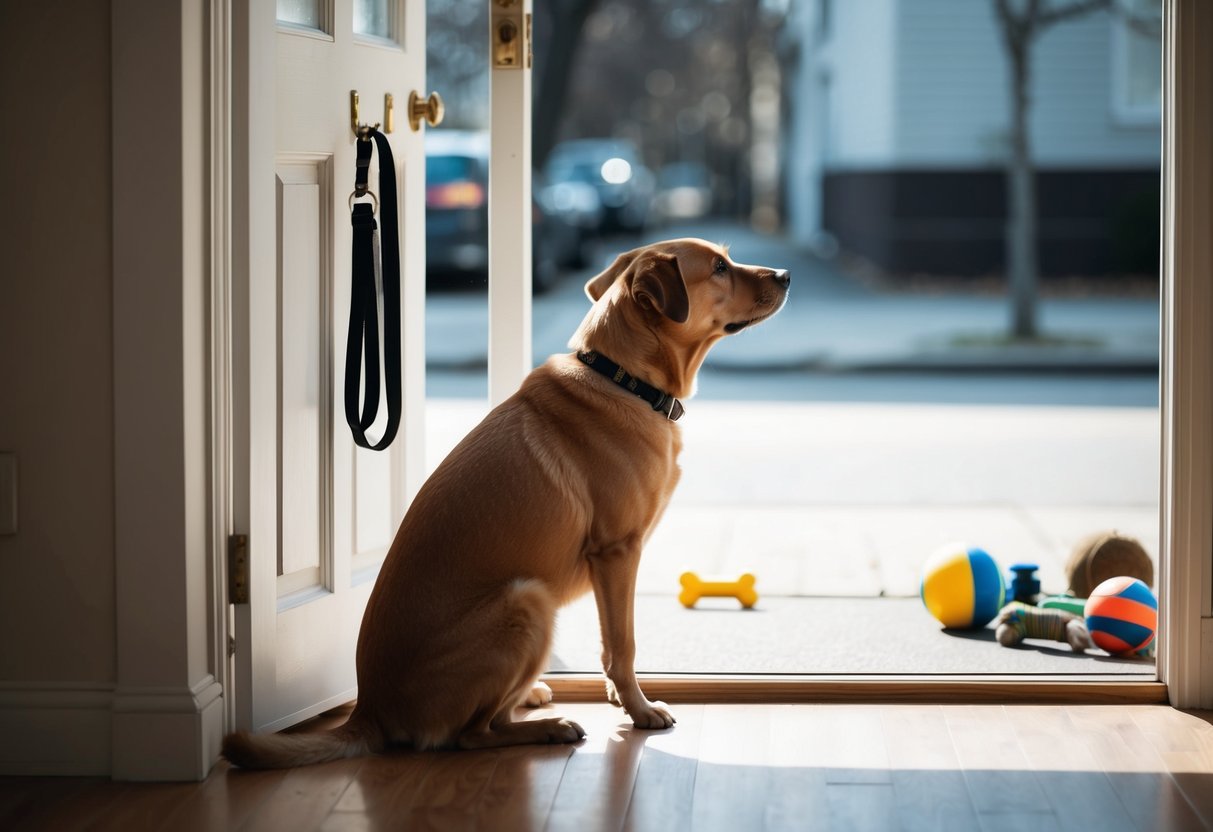
Not taking your dog for walks can impact their mood and health in several ways. Lack of exercise can lead to unwanted behaviors, and may also bring about physical health risks. Understanding these effects can help you make better decisions for your dog’s well-being.
Behavioral Changes
When you skip walks, your dog may show noticeable behavioral changes. Without the mental and physical stimulation that walks provide, dogs may become anxious or restless.
Common signs include:
- Excessive barking: This can be a way for your dog to express frustration.
- Destructive behavior: Chewing on furniture or other items can indicate boredom.
- Separation anxiety: Dogs left alone too much may feel abandoned, leading to negative behaviors.
Paying attention to these signs can help you understand your dog’s feelings better. Ensuring regular walks can keep your dog happy and calm.
Risks of Sedentary Lifestyle
A sedentary lifestyle poses significant risks to your dog’s health. Regular walks are essential for your dog’s physical fitness. Without this exercise, they may gain weight, which can lead to obesity.
Obese dogs face several health issues, such as:
- Joint problems: Carrying extra weight can strain joints.
- Heart disease: Lack of exercise increases the risk of heart conditions.
- Diabetes: Obesity can lead to insulin resistance.
In addition to physical problems, lack of exercise can also worsen dog anxiety. A well-exercised dog is generally more relaxed and better able to cope with stress. Keeping your dog active helps maintain their mental and physical health.
Tips for Dog Owners
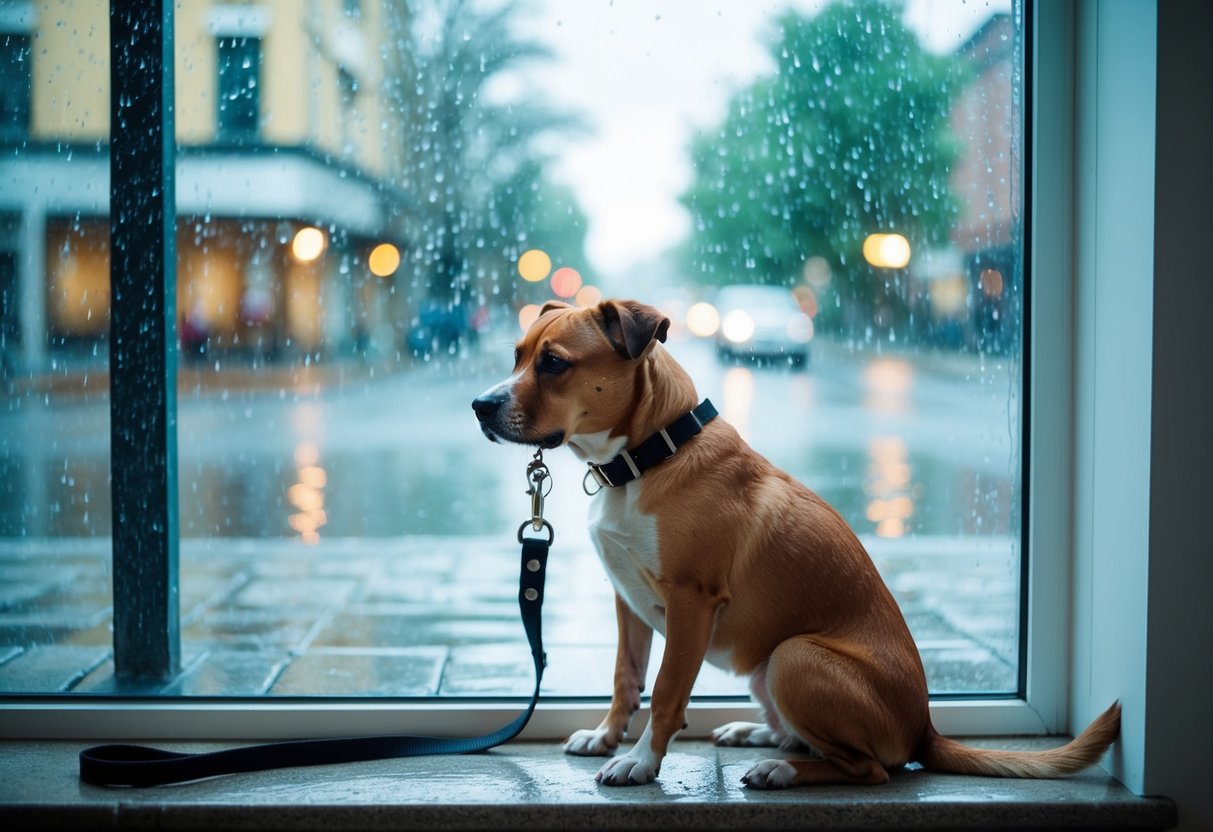
Keeping your dog happy and healthy is important. You can do this by creating a walking routine and finding fun alternatives when walks are not possible. Here are some helpful tips.
Creating a Walking Schedule
Establishing a consistent walking schedule helps your dog know when to expect exercise. Aim for at least 30 minutes of walking each day. You can divide this time into two or three shorter walks if that fits your routine better.
Choose a time that works best for both you and your dog, like mornings or evenings. It helps to set reminders on your phone so you don’t forget. Remember, dogs thrive on routine.
Make walks enjoyable by changing routes or exploring new parks. Offering some variety keeps things interesting and stimulating for your dog.
Alternatives to Walks
Sometimes, life gets busy, and you might not have time for a walk. In these cases, there are fun alternatives to keep your dog active.
Playing fetch in the yard or tossing a ball in the house can give them a burst of exercise.
Interactive toys also engage your dog’s mind and body. Consider puzzle toys that require them to figure out how to get a treat. These keep them busy and entertained.
If space allows, agility training in your backyard is another great option.
Setting up simple obstacles can turn playtime into an engaging workout for your dog.


