
Finding the right dog for your lifestyle can be a challenge, especially if you’re away from home for long hours. If you work, go to school, or have other commitments, you might wonder, many dog breeds can be left alone for up to eight hours. This is crucial for ensuring your furry friend remains happy and healthy while you’re away.
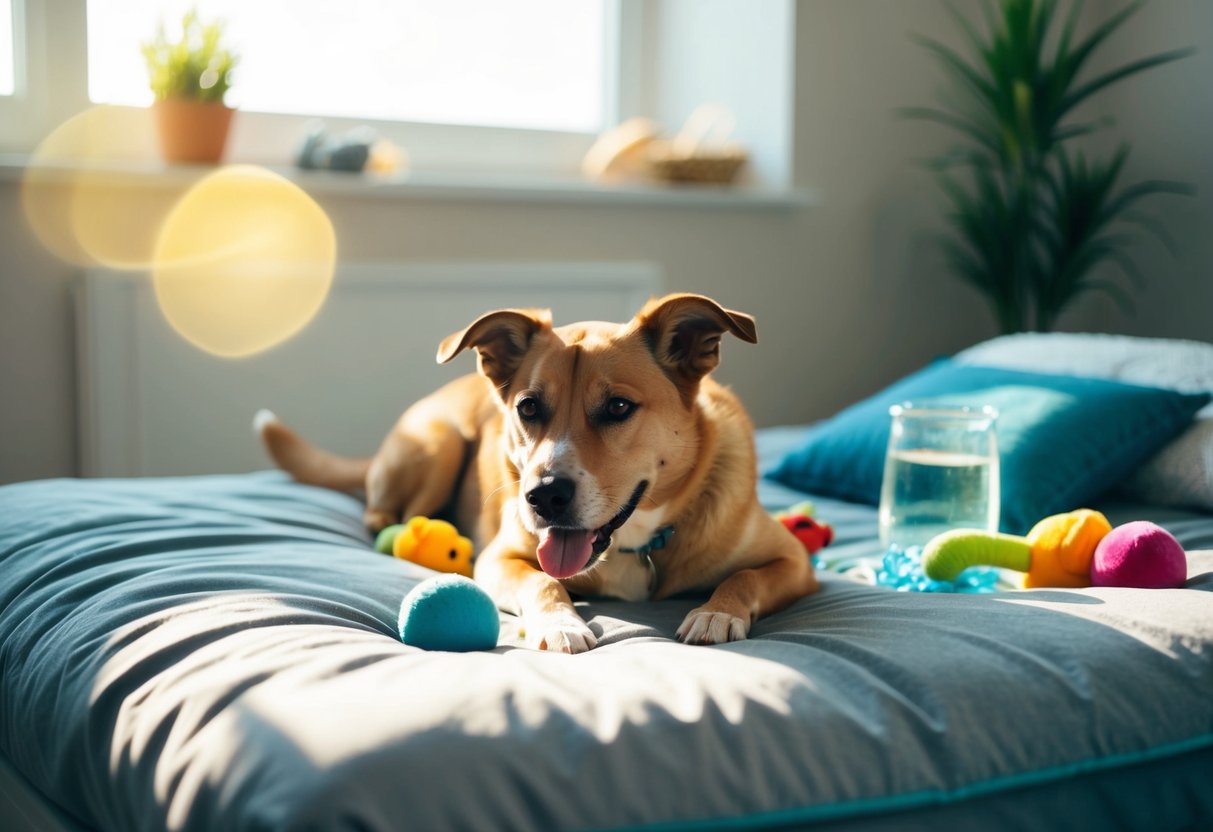
Some breeds, like Basset Hounds and French Bulldogs, are naturally more independent and can cope with time spent alone. Understanding which dogs can handle this alone time can help you make an informed decision when choosing the perfect companion for your home.
In this article, we’ll explore the characteristics of various breeds that thrive even when left alone. By the end, you’ll have a clearer idea of which dog might be the best fit for your schedule and lifestyle.
Understanding Canine Independence

Dogs vary in their ability to be alone, and understanding what makes a dog independent can help you choose the right breed for your lifestyle. Independence in dogs often relates to their personality, upbringing, and how they handle separation. Some dogs are naturally more self-reliant, while others may struggle when left alone.
What Makes a Dog Independent?
Several factors contribute to a dog’s independence. Breed traits play a significant role. Some breeds, like Greyhounds and Basset Hounds, have an easier time being alone due to their calm nature.
Early socialization is also important. Dogs that are used to being alone from a young age tend to adapt better.
Mental stimulation helps keep independent dogs happy. Providing toys or puzzles keeps their minds busy, lessening boredom.
Lastly, a dog’s day-to-day routine can influence their ability to be alone. A consistent schedule makes a dog feel secure and reduces anxiety about being left alone.
Separation Anxiety in Dogs
Separation anxiety can affect many dogs, making it challenging for them to be left alone for long periods. Signs of this anxiety include excessive barking, destruction of objects, or even attempts to escape.
Certain breeds are more prone to separation anxiety. Typically, these include breeds that are very social, like Golden Retrievers or Labradors.
To help ease your dog’s anxiety, gradually increase the time they spend alone. This practice helps your dog get used to being by themselves.
Providing adequate exercise before leaving them alone can also help. A tired dog is often more relaxed and less likely to panic.
Incorporating calming techniques, such as leaving unique toys or using calming products, can create a more positive experience when you’re away.
Breeds Suited for Long Alone Times
When considering a dog that can be left alone for 8 hours, it’s important to choose breeds known for their independence and low-maintenance needs. Certain breeds adapt well to being alone while still needing love and care from their owners.
Breeds That Can Tolerate Being Alone
Some dog breeds are more suited for longer alone times due to their independent nature. Here are a few you might consider:
- Greyhound: These dogs are calm and enjoy lounging. They are often happy to spend quiet time alone.
- Basset Hound: Known for their laid-back attitude, they can usually handle up to 8 hours alone without major issues.
- Shiba Inu: This breed is known for its independence and can be content without constant supervision.
- Bulldog and French Bulldog: Both are low-energy and can adapt well to being left alone for a while.
- Lhasa Apso: They are quite independent and have a good tolerance for alone time.
Features of Low-Maintenance Dog Breeds
Low-maintenance breeds often require less attention and can manage alone periods better. Look for these characteristics:
- Calm Temperament: Breeds like the Chow Chow and Whippet are generally calm and easygoing. They are less likely to feel anxious when left alone.
- Less Exercise Needs: Dogs like the Boston Terrier and Pug don’t need as much exercise, making them easier to leave at home.
- Easy Training: Dogs like Basenji and Shar-Pei can learn to be independent more easily. They tend to be less prone to separation anxiety.
- Good Family Pets: Breeds like Labrador Retriever and Cavalier King Charles Spaniel are friendly and adaptable but still enjoy their alone time.
Managing Alone Time for Your Dog
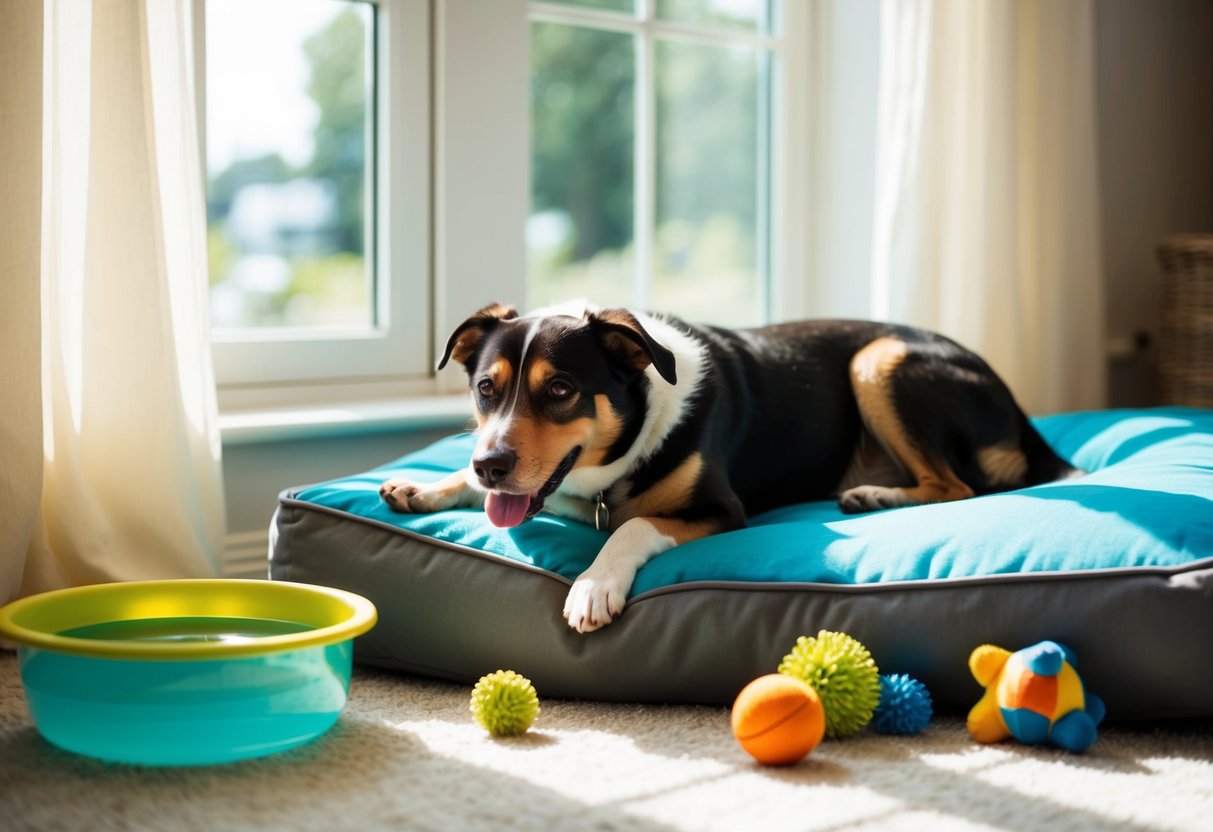
When your dog spends long hours alone, it’s essential to create a comfortable environment. This can help reduce boredom and destructive behavior. Let’s explore some effective ways to manage your dog’s alone time.
Crate Training and Its Benefits
Crate training can be a useful method for managing your dog’s alone time. Crates provide a safe space where your dog can feel secure. They can help prevent destructive behavior that may occur when your dog is left unsupervised.
Make sure the crate is large enough for your dog to stand up and turn around. You can make it more inviting with blankets and toys. It’s important to introduce the crate gradually, making it a positive experience with treats and praise.
With proper crate training, your dog can learn to enjoy their alone time. This can reduce anxiety and make your dog feel more comfortable when you leave.
Ensuring Proper Exercise and Stimulation
Before you leave for the day, make sure your dog gets plenty of exercise. Taking your dog for a long walk or playing fetch can help release energy. A tired dog is more likely to relax while you’re gone.
Interactive toys can also provide mental stimulation. Puzzle toys or treat dispensers can keep your dog engaged. These activities can help prevent boredom and reduce the chances of destructive behavior.
Incorporating a routine can also be beneficial. With a consistent schedule for exercise and play, your dog will know what to expect each day.
Professional Care Options During Long Absences
Sometimes, you may need extra help when you’re away for extended periods. Hiring a dog walker or pet sitter can make a big difference. These professionals can provide companionship and care during your dog’s lonely hours.
Dog walkers ensure your pet gets outside for potty breaks and exercise. Pet sitters offer more personalized attention, feeding, and playtime. Both options can help reduce anxiety and boredom for your dog.
Consider establishing a relationship with a local pet care provider. This can create a routine that both you and your dog can rely on. It offers peace of mind knowing your dog is in good hands while you’re away.
Creating a Supportive Environment at Home
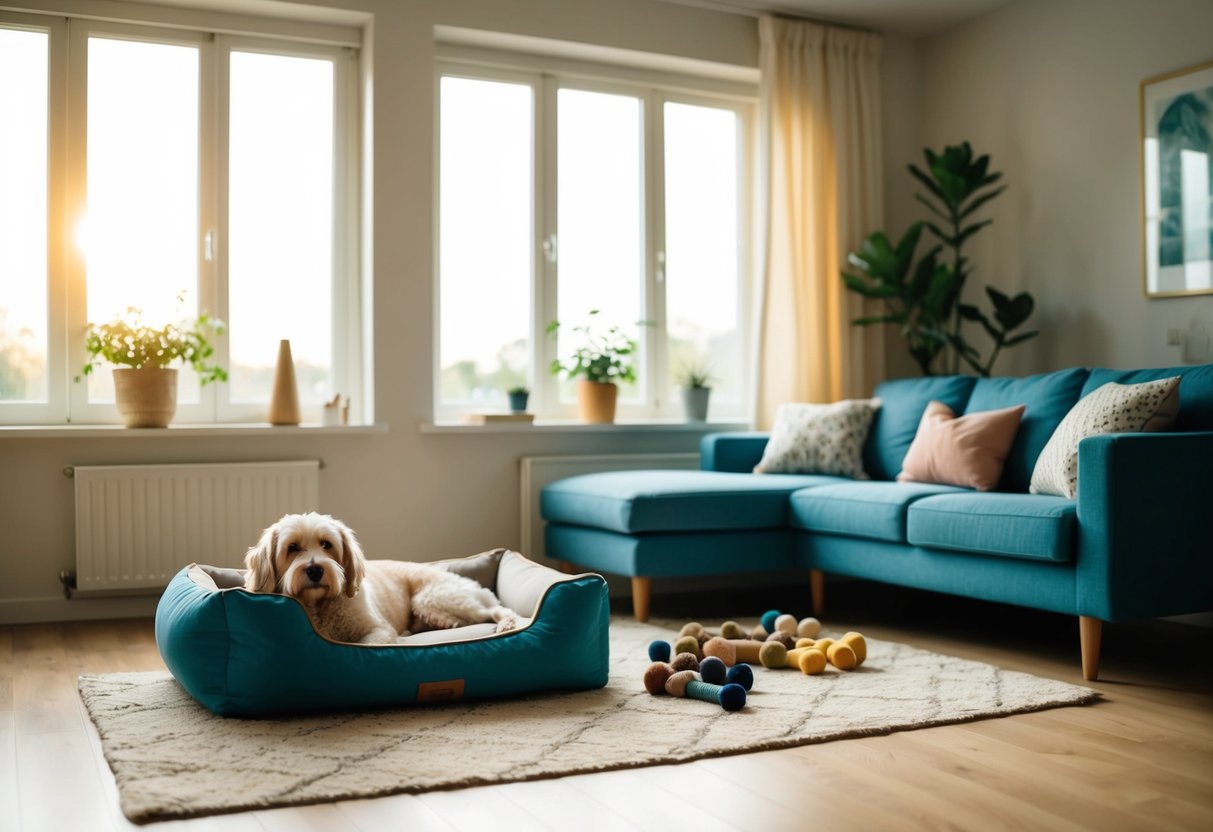
To help your dog feel secure while you’re away, it’s important to create a welcoming atmosphere. Focus on providing safe spaces and engaging toys to keep your dog entertained during those long hours.
Safe Spaces and Comfort Zones in Your Home
Creating a cozy area for your dog is essential. Designate a spot in your home, like a quiet corner or a specific room, where your dog can retreat to feel safe. This could be a soft bed or a crate with familiar blankets.
Make sure this space is free from distractions and noise. Use calming scents, like lavender, to promote relaxation. If you live in an apartment, ensure the space is away from busy areas, like hallways or entrances.
Always encourage your dog to use this area through positive reinforcement. This will help them associate it with comfort and safety. Independent dog breeds, like the Pekingese, often thrive in such spaces, making them ideal if you work long hours.
Toys and Entertainment for Your Absence
Keeping your dog engaged while you’re gone is important. Invest in a variety of toys that stimulate their mind. Puzzle toys filled with treats keep your dog busy and offer psychological enrichment.
Rotate toys regularly to prevent boredom. Consider toys that they can chew, tug, or fetch. Dogs that can be left alone, such as the Miniature Schnauzer or Basset Hound, benefit greatly from these activities.
Another option is to set up a dog camera. It allows you to check in on your dog and even play with them through a smartphone app. This can ease anxiety for both of you while you are at work.


