
Owning a dog can be one of the most rewarding experiences, but not all breeds are created equal. Some dogs require more time, attention, and care than others. If you’re looking for the most high-maintenance dog, the Afghan Hound takes the top spot due to its grooming needs and active lifestyle.

High-maintenance dog breeds often come with unique challenges. From meticulous grooming to extensive exercise requirements, these dogs demand a lot from their owners.
Understanding what makes a breed high-maintenance can help you prepare for the commitment involved in caring for them.
In this article, you’ll learn about various high-maintenance breeds, what they need to thrive, and whether one might be a good fit for your lifestyle. With the right knowledge, you can decide if you’re ready for the challenges and joys that come with these amazing companions.
Defining High-Maintenance Dog Breeds

High-maintenance dog breeds often require more effort in various areas, including grooming, exercise, and socialization. Knowing what makes a breed high-maintenance can help you choose the right pet for your lifestyle.
Understand the Traits
High-maintenance dogs usually have specific traits that set them apart. They often need frequent grooming due to their coats, which can range from long and thick to curly.
Regular brushing helps prevent mats and keep skin healthy.
These dogs also have higher exercise needs. Breeds that are high-energy may require daily walks, runs, or playtime to stay happy and healthy.
Alongside physical activity, mental stimulation is essential. Activities like puzzle toys or obedience training can keep their minds sharp.
Moreover, many high-maintenance breeds need strong socialization. This means introducing them to different people, places, and other animals to ensure they develop into well-rounded adults.
Some breeds may also have common health problems, leading to higher vet bills throughout their lives.
Common High-Maintenance Breeds
Some dog breeds are known for being more demanding. For example, the Akita requires expert training and socialization. They can be aggressive without proper care.
Poodles need regular grooming to manage their thick fur. They also crave mental challenges, making training a must.
The Border Collie, known for its intelligence, thrives on both physical activity and mental tasks.
Other breeds, like the Siberian Husky, require lots of exercise and can be prone to separation anxiety. Each breed has unique needs, which may also include special diets or medical care. Understanding these aspects can help you manage their care effectively.
Caring for Your High-Maintenance Dog

Caring for a high-maintenance dog requires attention to grooming, exercise, training, and behavior. Each of these areas is essential for ensuring your dog’s happiness and health.
Grooming and Health Care
High-maintenance breeds often need regular grooming to keep their coats in top shape. Depending on the breed, you might need to schedule professional grooming every few weeks.
You should brush your dog’s fur regularly to prevent mats and tangles. This can help reduce shedding and keep your home cleaner.
Don’t forget to check your dog’s ears, teeth, and nails during grooming sessions. Regular health check-ups with the vet are also important to spot any potential issues early.
You want your dog to look and feel great!
Exercise and Energy Management
Many high-maintenance dog breeds have high energy levels. Daily exercise is essential; aim for at least 60 minutes of active play, walks, or runs.
Incorporate activities that engage both their body and mind. Activities like agility courses or fetch can be great.
Using toys that stimulate your dog mentally can help keep them entertained.
Remember, a tired dog is a happy dog!
If your dog doesn’t get enough exercise, they may become destructive or anxious.
Training and Intelligence
Training is crucial for high-maintenance breeds. These dogs are often very intelligent, so they usually require mental challenges along with obedience training.
Use positive reinforcement techniques like treats and praise to encourage good behavior.
Consider enrolling in obedience classes that focus on advanced training. This can help you establish a strong bond with your dog while teaching important commands and tricks.
Being consistent with training helps manage behaviors and can reduce separation anxiety later on.
Behavioral Considerations
Understanding your dog’s behavior is vital for a happy home. High-maintenance dogs often require more attention and social interaction.
Make sure to spend quality time with them each day. This can help prevent issues like separation anxiety or boredom.
Keep an eye out for signs of stress, such as excessive barking or destructive behavior.
Providing a routine can create a sense of security.
Working on behavioral training can enhance your dog’s social skills and confidence.
Specific Breed Profiles
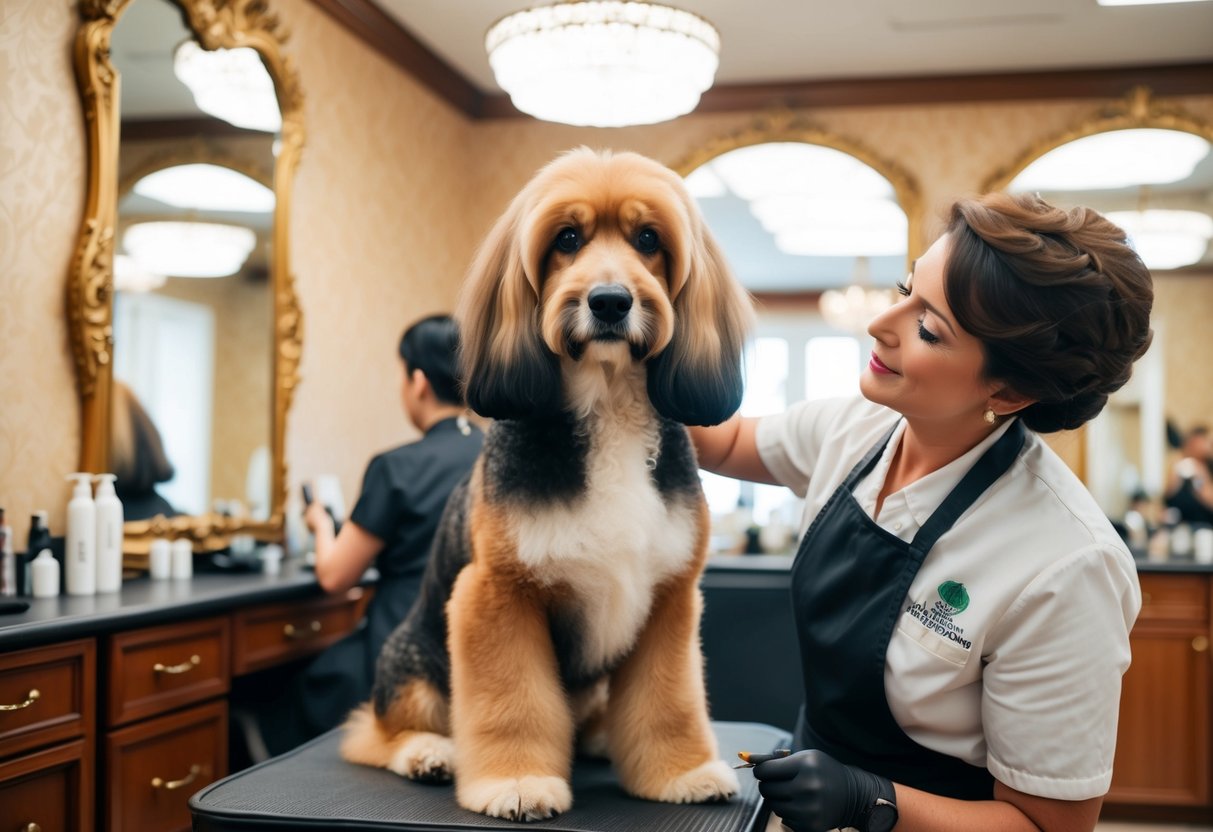
When considering high-maintenance dog breeds, it’s important to look at their energy levels, grooming needs, and potential health issues. Each breed has unique characteristics that can greatly impact your lifestyle.
Energetic and Athletic Breeds
Breeds like the Border Collie, Australian Shepherd, and Belgian Malinois are known for their high energy levels. These dogs need more than just daily walks; they thrive on physical activities and mental challenges.
- Border Collie: Intelligent and energetic, they love herding games and agility training.
- Australian Shepherd: Agile and loyal, they require regular exercise to avoid boredom.
- Belgian Malinois: Strong and versatile, they excel in protection work and dog sports.
If you enjoy outdoor activities and can commit time to exercise, these breeds can be wonderful companions. For less active owners, consider a breed with lower energy levels.
Grooming-Intensive Breeds
Some breeds require extensive grooming to stay healthy and comfortable. The Poodle, Afghan Hound, and Komondor are great examples of grooming-intensive breeds.
- Poodle: Known for its curly coat, it needs regular brushing and professional grooming.
- Afghan Hound: This beautiful dog has long hair that requires daily grooming to prevent mats.
- Komondor: Its unique, corded coat needs careful grooming to keep it tangle-free.
If you’re willing to invest time in grooming, these breeds can be a great fit. Keep in mind that neglecting their grooming needs can lead to skin issues.
Breeds Prone to Health Issues
Certain breeds can be more prone to health challenges, which may require additional care. Examples include the Bulldog, Cocker Spaniel, and Cavalier King Charles Spaniel.
- Bulldog: They often face breathing problems due to their short snouts.
- Cocker Spaniel: Known for ear infections, regular ear cleaning is essential.
- Cavalier King Charles Spaniel: Heart issues are common, needing regular vet check-ups.
Understanding these health concerns can help you prepare for potential veterinary visits. Choose a breed that fits your lifestyle and health commitment level.
Considerations Before Getting a High-Maintenance Dog

Thinking about bringing home a high-maintenance dog? There are several factors to consider.
First, these breeds often need more mental stimulation. Activities like puzzle toys or training sessions can keep their minds active. If you enjoy spending time on these activities, it’s a good fit.
Next, consider physical stimulation. Many high-maintenance breeds require lots of exercise. Daily walks, runs, or play sessions are essential to keep them healthy and happy.
Socialization is also key. These dogs may need to interact with other pets and people regularly. This helps them become well-adjusted and friendly companions.
Grooming needs are another important consideration. Some breeds require frequent brushing or professional grooming. You should be ready to invest time and money into their grooming routine.
Before you decide, think about your lifestyle. Do you have enough time to meet these needs? If your schedule is packed, a high-maintenance dog may not be the best choice.


