
Bees are famous for stinging, and the short answer to when bees sting they die is: sometimes, but not always. In the U.S., the bee most people mean is the honeybee, and female worker honeybees often die after stinging mammals like people because their barbed stinger gets stuck in skin.
The part that surprises many people is that this is not true for every bee, and it is not the same for every target. Some bees can sting other insects and survive, while wasps usually keep going after multiple stings. The difference comes down to sting anatomy, the kind of skin or exoskeleton involved, and how the sting evolved.
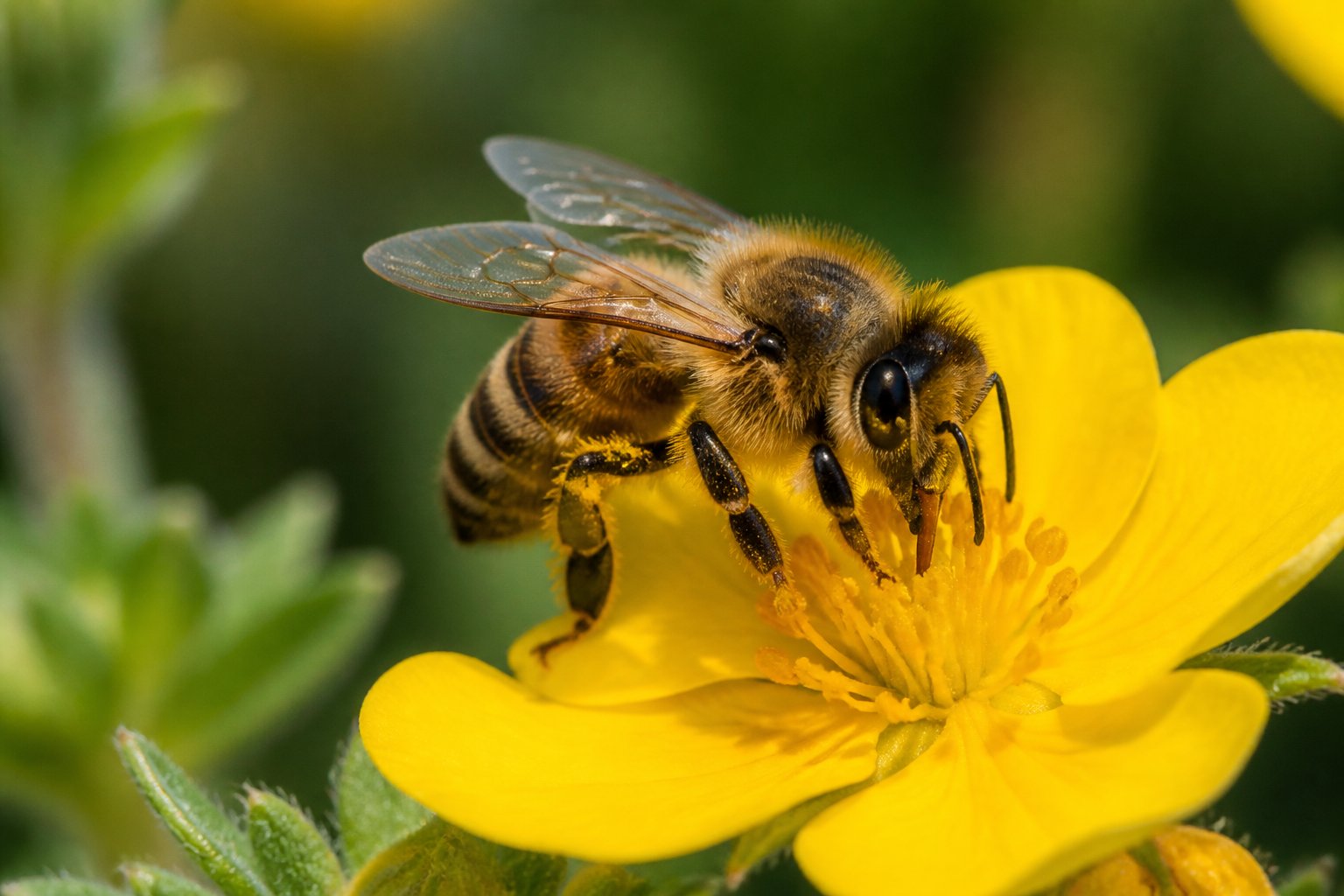
The Short Answer: Which Bees Die After Stinging
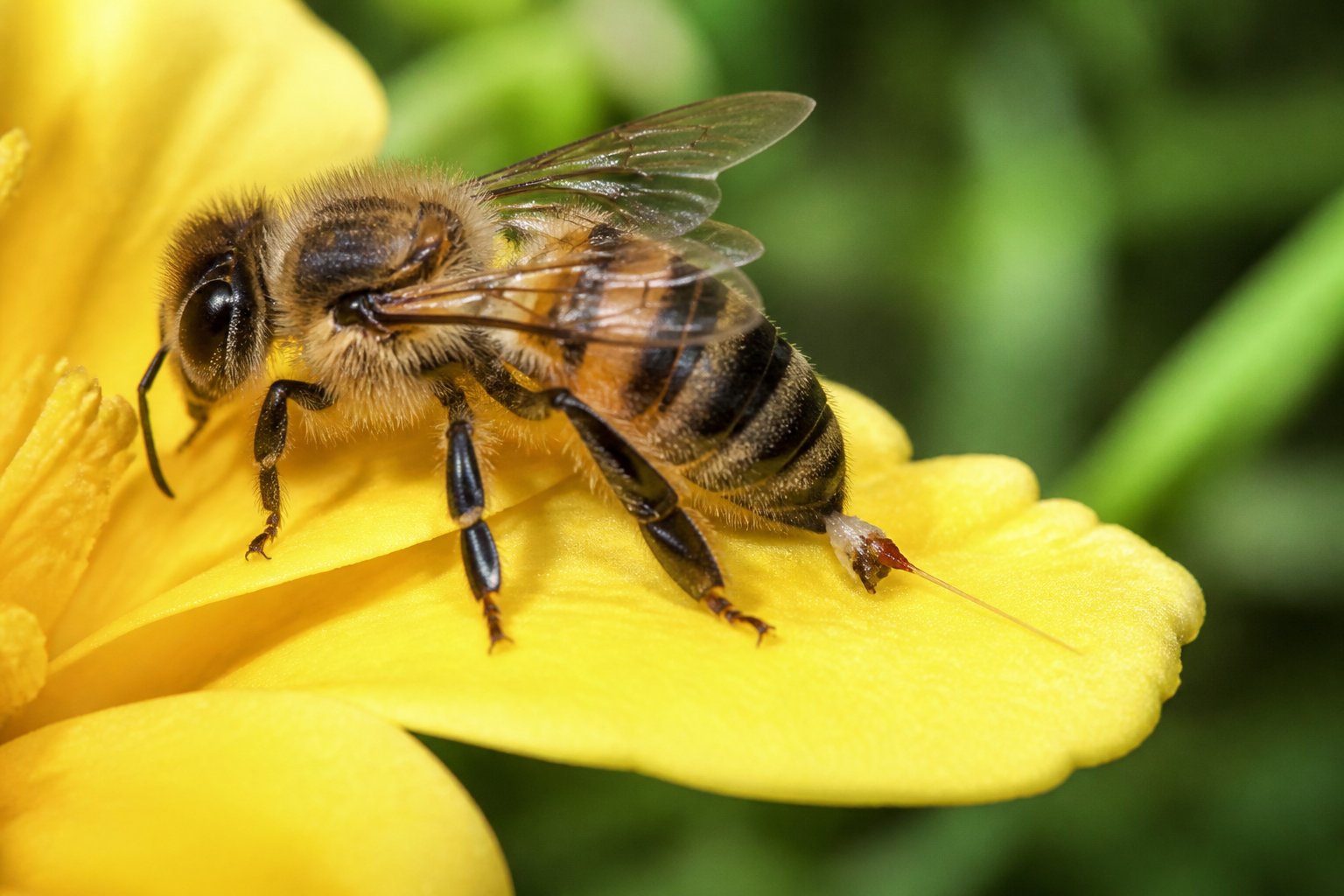
If you get a honey bee sting, the worker honeybee usually dies when stinging your skin, especially on a mammal with soft tissue and flexible skin. That is the classic case people mean when they ask do bees die after stinging.
Why Worker Honeybees Usually Die After Stinging Mammals
Worker honeybees have barbed stingers that snag in skin. When the bee pulls away, part of the stinging apparatus stays behind, damaging the bee and often tearing internal tissue, which can be fatal.
That is most likely when the target is a mammal, including the human body, because skin is elastic and traps the barbs. The same sting can play out differently on fish or on another insect, where the stinger may not lodge the same way.
Why Bumblebees And Carpenter Bees Usually Survive
Bumblebees and carpenter bees usually have smoother stings and can sting more than once without dying. Their stingers are less likely to become trapped in skin, so they can pull free and keep flying.
In practice, that means not every bee sting ends with the bee’s death. A bee’s species and the target matter just as much as the sting itself.
How Bees Compare With Wasps
Wasps also sting, and they usually survive repeated stings because their stingers are smooth and built for reuse. That difference is one reason a wasp can feel so much more persistent than a honeybee.
So when you compare bees, wasps, mammals, animals, and insects, the answer is simple: honeybees are the famous exception, not the rule.
What Happens During A Sting

A sting is a fast mechanical event, then a chemical one. The bee’s anatomy, the venom it injects, and the alarm scent it leaves behind all work together to defend the colony.
How A Barbed Stinger Gets Stuck In Skin
A barbed stinger acts like a tiny hook. On soft skin, the barbs catch, and the bee cannot easily pull the stinger back out.
That is why a honeybee’s sting often remains embedded, while a smooth stinger can slide out. Once it is trapped, the bee’s body can be injured badly enough to cause death.
Venom, Pain, And Alarm Pheromones
The sting delivers venom into the wound, which drives pain and swelling. The stinger and attached tissues can also release alarm pheromones, which warn nearby bees that a threat is present.
That smell can make a defensive response more likely around a hive. If you have ever had a hive area suddenly feel more active, that alarm signal is a big reason.
The Evolution Of This Defense Mechanism
This defense fits bee anatomy and evolution, even though it is costly to the individual bee. The trait likely persisted because colony survival matters more than one worker’s survival.
The setup is a tradeoff, not a suicide plan. According to Discover Wildlife’s explanation of bee sting biology, the sting evolved as a defense system, not as a self-destruct mechanism.
What A Bee Sting Does To People

Most bee stings cause a local health reaction, not a medical emergency. The main question is whether you are dealing with a normal sting reaction or signs of an allergic reaction.
Normal Reactions Versus An Allergic Reaction
A normal sting usually causes sharp pain, redness, itching, and a small swollen area. The discomfort often peaks early and then fades over hours to a few days.
An allergic reaction can be more serious, especially if you get hives, face swelling, trouble breathing, dizziness, or throat tightness. If those happen, you need urgent care right away.
When To Remove The Stinger And Reduce Swelling
If the stinger is still in your skin, remove it quickly, then wash the area. A quick scrape is often better than squeezing, because squeezing can push more venom in.
To reduce swelling, use a cold pack, elevate the area, and rest it. Avoid heat, hard exercise, and alcohol right after the sting if your skin is already inflamed.
When To Use Antihistamines Or Hydrocortisone Cream
Antihistamines can help with itching, and hydrocortisone cream can calm mild irritation on intact skin. Those options are usually enough for routine reactions in a healthy adult.
If you are unsure whether a reaction is ordinary or allergic, watch your symptoms closely. Bee venom stings are not linked to flu or HIV, and food and drink choices matter far less than the sting itself during the first few hours.
How To Avoid Future Stings Without Harming Pollinators

The easiest way to avoid bee stings is to notice what triggers defensive behavior. Calm movement, space around nests, and smart choices near drinks and flowers go a long way.
What Triggers Defensive Behavior
Most bees sting when they feel trapped, squeezed, or threatened. Fast swatting, sudden movement, and stepping too close to a nest can raise the chance of a sting.
Scented products, bright clothing, and open sweet drinks can also draw attention. If you are near active plants or blooms, stay calm and let bees work.
Safer Habits Around Hives, Gardens, And Drinks
Keep distance from hives and from areas where bees are coming and going. The North Carolina State University pollinator guide notes that honey bees and some bumblebees can be defensive near their nests, so give those zones extra space.
In gardens, watch where bees land, and do not reach blindly into flowers. For drinks, use lids outdoors, check cans before sipping, and avoid leaving sweet products uncovered.
Why Education Matters For Bees And People
Education lowers fear and lowers unnecessary harm to bees. If you know which insects sting, which ones die, and which ones do not, you can respond with more care and less panic.
That matters for health, for bee stings, and for the plants and products that depend on pollinators. A little knowledge keeps you safer while also protecting the bees you need around your home and neighborhood.


