
If you’ve ever been stung by a bee, you know the swelling that comes after. Usually, swelling from a bee sting sticks around for a few hours to about seven days—it really depends on how your body handles it.
Most folks notice the swelling fades within 24 to 48 hours. But sometimes, if your reaction is stronger, it just lingers.
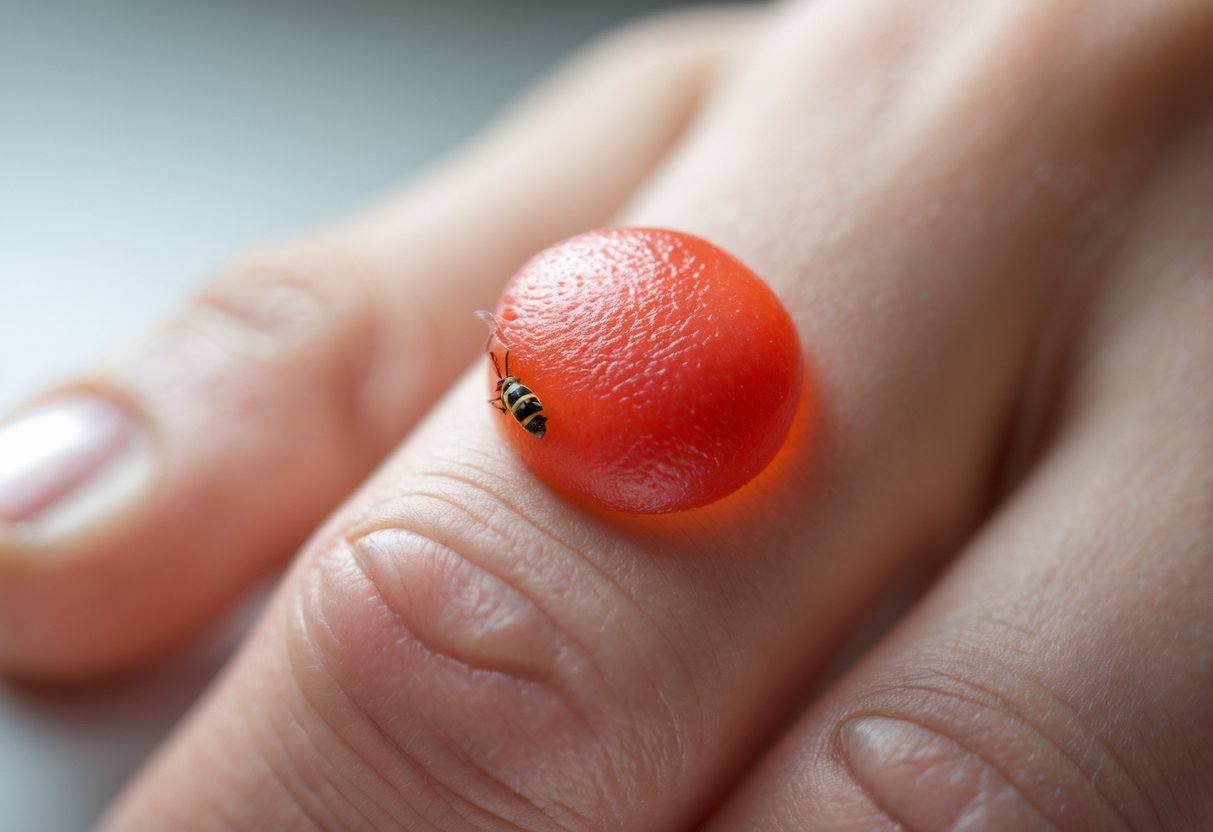
The size and length of swelling depend on things like your skin’s sensitivity and whether you’re allergic. You might feel itchy or just plain annoyed while it heals.
There are ways to make things less uncomfortable, though. If you understand what to expect, you’ll know how to manage the sting and when you really need to see a doctor.
Curious why swelling lasts as long as it does? Or maybe you’re searching for treatment tips? Let’s get into the details about bee sting reactions and how to care for them.
How Long Does Bee Sting Swelling Last?

Swelling from a bee sting doesn’t follow a strict schedule. It can last longer or shorter depending on several things.
You might notice swelling peak at different times, and the size or severity really depends on how your body reacts. Honestly, it’s a bit unpredictable.
Typical Swelling Duration
Most people see swelling last between 1 to 2 days. The pain and redness usually start right after the sting.
Swelling can actually get worse during the first 48 hours. For a lot of people, it starts going down after that and disappears within a week.
But if you get a bigger reaction, swelling might hang around for up to 7 days. If it’s still there after a week, you should probably check in with a doctor.
Mild swelling and itching tend to go away faster. If you’ve got sensitive skin or a bigger sting, you might feel uncomfortable for longer.
Timeline of Bee Sting Reactions
Right after you’re stung, you’ll probably feel sharp pain and see some redness. Swelling comes on fast and can get worse for up to 48 hours.
Your body releases histamines, which cause most of the swelling, pain, and itchiness.
If you’re allergic, you might notice swelling, redness, and itching within 30 minutes. Allergic reactions can last a few days, and sometimes they take up to 10 days to clear up.
If you think you’re having an allergic reaction, don’t wait—get medical attention right away. It can get serious quickly.
Factors Affecting Swelling Length
A few things can change how long your swelling lasts:
- Location: If you get stung somewhere like your face or hands, you’ll probably swell more and for longer.
- Amount of venom: More venom equals a bigger, longer-lasting reaction.
- Your immune system: Some people just react more to bee venom, so they get more swelling or even allergies.
- Previous stings: If you’ve been stung before, your body might overreact the next time.
- Treatment: Using ice or antihistamines can actually help swelling go down sooner.
If you notice swelling spreading or getting worse, it’s time to see a healthcare provider.
Want to dig deeper? Check out bee sting swelling duration and how to reduce swelling after 48 hours.
Managing and Reducing Swelling from Bee Stings
Swelling from a bee sting depends on how your body reacts and how quickly you jump into action. You’ve got options: home remedies, over-the-counter stuff, and knowing when to ask a doctor for help.
Home Remedies and Quick Relief
Right after you get stung, try to remove the stinger as soon as you can. Grab a credit card or something flat and scrape it out.
This helps stop more venom from getting in. Next, grab a cold pack or wrap some ice in a cloth and put it on the sting.
You’ll want to keep it there for about 10 to 15 minutes at a time. It really helps with pain and swelling.
Some people mix baking soda with water and dab it on the sting to calm down the itch and swelling. Calamine lotion works too—it’s soothing.
Keep the area clean. Try not to scratch, even though it’s tempting, because that can make things worse or even cause an infection.
Over-the-Counter Treatments
Over-the-counter creams and meds can help a lot. Hydrocortisone cream knocks down redness and itching.
If you’re super itchy, antihistamine tablets or creams with diphenhydramine are a good bet. They help slow down your body’s allergic response.
Pain relievers like ibuprofen or acetaminophen can take the edge off pain and swelling. Just follow the directions on the label.
Don’t overdo it with creams, and always check for allergies before you put something new on your skin.
When to Seek Medical Attention
Most of the time, bee sting swelling gets better in a few days. Still, if the swelling sticks around for more than a week or seems to get worse, reach out to a doctor.
If you start having trouble breathing, or your face or throat swells up, don’t wait. That could mean a severe allergic reaction, also called anaphylaxis.
Dizziness or a racing heartbeat are also big red flags. Go see a doctor right away if you notice these symptoms.
If the sting area looks infected—maybe it’s getting redder, feels warm, or you see pus—don’t ignore it. Swelling that’s much bigger than usual is another reason to get checked out.
If you spot any signs of anaphylaxis, call emergency services without delay. You might need a prescription, like an epinephrine injection, to stop things from getting worse.
Looking for more info? Check out this advice on managing bee sting swelling after 48 hours.


