
When bees keep landing on you, it’s honestly just annoying—sometimes even a little scary. You might find yourself asking, “Why me?” and wonder how to make it stop. The best way to keep bees from landing on you is to stay calm, skip strong scents, and wear clothing that covers your skin snugly.

Bees seem to love bright colors and anything that smells floral or fruity. If you want them to ignore you, try wearing plain clothes in neutral colors and ditch perfumes or scented lotions. Move slowly and, if a bee does get close, just gently brush it away—don’t swat.
A few simple changes can really help you enjoy being outside without feeling like a bee magnet. Let’s look at some easy ways to keep bees at a distance. If you’re not sure what to do when a bee actually lands on you, we’ll cover that too.
How to Prevent Bees From Landing on You
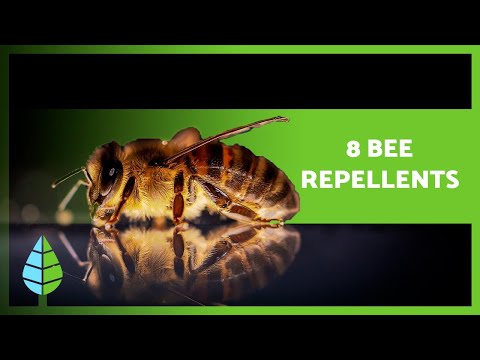
You can cut down on bees landing on you by tweaking a few habits. What you wear, which products you use, and how you deal with food outdoors all play a part in how much bees notice you.
Avoid Wearing Bright Colors and Floral Patterns
Bees really go for bright colors, especially blue and yellow. If your outfit’s flashy or covered in flowers, you’re basically inviting them over. Stick with neutral tones like beige, white, or gray and you’ll probably get less attention from bees.
If you’re heading outside, skip the shiny or colorful jewelry too. That stuff catches their eye. Simple, plain clothing just works better for keeping bees uninterested.
Choose Unscented or Non-Floral Personal Care Products
Strong, flowery smells grab a bee’s attention. Perfume, scented lotion, or even floral soaps can make bees curious about you. Go for personal care products that are unscented or just really subtle.
Even pine or spruce-scented shampoos and deodorants can draw bees in. Using plain, unscented soap and avoiding heavy fragrances makes it less likely bees will notice you, especially in spring and summer.
Keep Food and Sweet Drinks Covered Outdoors
Bees love sweet smells from food and drinks. If you’re outside with soda, juice, or fruit, just keep them covered as much as you can. Open cans or fruit bowls attract bees from pretty far away.
Try to keep food and drinks at least five yards from where you’re sitting or hanging out. Lids or mesh covers help block the scent. It’s a simple trick, but it really does keep bees busy somewhere else.
Want more ideas for keeping bees away when you’re eating outside? Check out tips on keeping bees away with food and sweet drinks.
Safe Actions When a Bee Lands on You

If a bee lands on you, the best thing you can do is stay calm and move slowly. How you handle it really matters for both you and the bee.
Remain Calm and Avoid Sudden Movements
When a honey bee or sweat bee lands on you, try not to freak out. Swatting or moving fast just scares the bee and raises your chances of getting stung.
Take a deep breath and stay still. Most of the time, bees just want to rest or check you out—they’re not out to get you. Usually, if you give it a second, the bee will fly away on its own.
Bees only sting if they feel threatened. So, it’s all about keeping your cool and not making any sudden moves.
Gently Encourage the Bee to Leave
If you feel uncomfortable with the bee on your skin, you can brush it off gently. Use a slow, soft motion with your hand or a piece of paper.
Don’t slap or flick at the bee—this just startles it and could get you stung. Just be patient and nudge it; that’s usually enough to get it to move along.
You can protect yourself without hurting the bee. These pollinators matter, so calm, careful actions are always the way to go.
When to Seek Medical Attention After a Sting
If you get stung, go ahead and wash the area with soap and water as soon as possible.
Grab some ice and place it on the sting to help with swelling. If you feel itchy or uncomfortable, you might want to take an antihistamine.
Keep an eye out for any signs of an allergic reaction. Things like trouble breathing, swelling in your face or throat, feeling dizzy, or noticing your heart racing—those are big red flags.
If you notice any of these, don’t wait—call emergency services right away.
Usually, bee stings just hurt a bit and fade in a day or two. But if you already know you’re allergic, make sure you always have an epinephrine injector with you.
Get medical help right after you’re stung if you have allergies.
Staying calm and moving carefully really does help keep you and the bees out of trouble when one lands on you.
If you’re curious about handling bees, you can check out friendly guides like What to Do When a Bee Lands on You Friendly Tips to Stay Calm and Safe.


