
You get stung by a bee and maybe wonder—should you just leave it alone and hope for the best? Honestly, leaving a bee sting untreated usually isn’t smart. The stinger keeps pumping venom, which just means more pain and swelling for you. Taking care of it quickly can make things way less miserable and help you dodge bigger problems.

Even if you’re not allergic, ignoring a sting can make swelling and redness worse, and sometimes you could end up with an infection. It’s worth knowing how to react so you can feel better sooner and skip any unnecessary trouble.
If you’ve ever been stung, or just want to be prepared, understanding why treating a sting matters could save you a lot of hassle down the road.
What Happens If You Leave a Bee Sting Untreated?
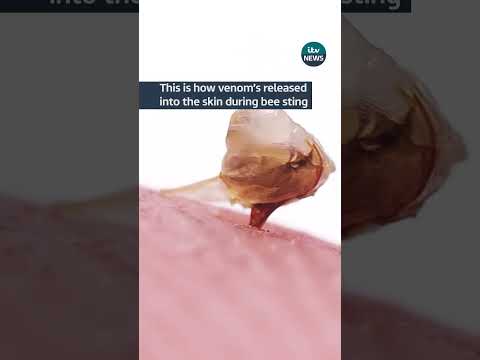
If you leave a bee stinger in your skin, the venom keeps seeping in. That just means you’ll feel more pain and see the swelling get worse. Skipping treatment bumps up your risk of infection and, in rare cases, you could have a nasty allergic reaction.
Venom Release and Worsening Symptoms
A bee stinger left in your skin keeps pumping venom. That’s what causes the pain, redness, and swelling to get worse over time.
You might notice the sting hurts for longer than you’d expect. Swelling can spread to nearby areas, which is never fun.
If you want less pain and swelling, get that stinger out as soon as you can. The sooner you do it, the less venom your body has to deal with.
Increased Risk of Infection
When a stinger stays in your skin, it leaves a tiny opening for bacteria. That can lead to infection, making the sting area redder, warmer, and more painful.
Sometimes you’ll see pus or weird fluid, and that’s when you should probably talk to a doctor.
You can lower your infection risk by washing the sting area with soap and water. Watch for any spreading redness or fever.
Bee stings don’t often get infected, but it’s possible if you don’t clean up or remove the stinger.
Potential for Allergic and Severe Reactions
Bee stings can trigger anything from mild itching to severe allergic reactions. If you leave the stinger in, more venom gets in and could make symptoms worse.
Some people get hives, swelling in the face or throat, or trouble breathing.
In rare cases, an untreated sting can cause anaphylaxis. You might feel your throat tighten, get dizzy, or notice your heart racing.
If anything like that happens, don’t wait—get emergency help right away.
Danger of Multiple or Sensitive Area Stings
Getting stung several times or in tricky spots like near your eyes or mouth is more dangerous if you don’t treat the stings. More venom in your system means a higher risk of a bad reaction.
Sensitive areas can swell a lot and might even block airways or your vision if you don’t act fast.
Leaving multiple stingers in can overwhelm your immune system. Always take them out and get medical help if you have lots of stings or any in delicate spots.
For more info, check out this guide on what happens if you don’t remove a bee stinger.
Safe and Recommended Steps After a Bee Sting

After a bee sting, the main things you need to do are get the stinger out fast, deal with the pain and swelling, and know when to get medical help. Quick action can really make a difference.
How to Remove a Bee Stinger Safely
If you spot the stinger, take it out right away. Use something with a flat edge, like a credit card or your fingernail, and gently scrape it out.
Try not to use tweezers or pinch it, since that can squeeze more venom in.
Aim to remove the stinger within a few minutes. The longer it sits, the more venom you get.
Once it’s out, wash the area with soap and water to cut the risk of infection.
Managing Pain, Swelling, and Itching
To help with pain and swelling, grab a cold pack or wrap some ice in a cloth and hold it on the spot for 10 to 15 minutes. That should help bring down the inflammation.
If you’re hurting, an over-the-counter pain reliever like ibuprofen can help.
For itching or redness, antihistamine creams or pills can calm things down. Try not to scratch, and keep the area clean so you don’t make things worse.
When to Seek Emergency Help for Allergic Reactions
Severe allergic reactions to bee stings can happen, and honestly, they’re scary. Watch out for swelling of the face or throat, trouble breathing, dizziness, or a racing heartbeat.
If you notice these symptoms in yourself or someone else, call emergency services right away. Don’t wait and see—just make the call.
Got an epipen? Use it immediately, following the instructions. Even if things seem to get better, you should still head to the hospital for more care.
People who’ve had allergic reactions before should always talk to a doctor after a bee sting. Better safe than sorry, right?
For more detailed first aid tips, check out this guide on bee sting first aid.


