
So, there’s a bee buzzing around you. First things first—try to stay calm and avoid any wild movements. Honestly, your best bet is to stand still or slowly back away, giving the bee some space to figure things out on its own. Most bees aren’t out to get you; they’re usually just curious or maybe catching a whiff of your scent or checking out your clothes.

Sure, it’s unsettling when a bee circles your head. But, chances are, it’s just checking you out. If you keep your cool and avoid swatting, you’re way less likely to get stung.
Learning a few simple tricks for these moments can make you feel way more at ease. Next time a bee is close by, you’ll know what to do.
If you get why bees act this way and know how to react, you can avoid stings and maybe even enjoy a peaceful moment with nature. Want some practical tips? Let’s get into it.
How to React When a Bee Is Flying Around You

When a bee gets close, your reaction really matters. Stay calm, don’t make any sudden moves, and avoid trying to scare it off.
If you keep your distance and chill out, you’ll help the bee feel less threatened. That’s really the key.
Stay Calm and Avoid Sudden Movements
Bees pick up on your energy, believe it or not. If you stay relaxed, the bee is less likely to sting.
Breathe slowly and keep your body as still as you can. Jerky moves or waving your hands around can make the bee nervous, and nobody wants that.
If the bee buzzes near your face or hands, don’t freak out. It’s probably just curious or looking for flowers or food. Most bees only sting if they feel threatened.
You’ve got more control than you think—just don’t wave your arms or jump around.
Move Away Slowly From the Area
If the bee just won’t buzz off, start moving away—slowly. Take small steps back, but don’t turn your back or run.
Quick movements can actually grab the bee’s attention, or even bring more bees over. Keep things smooth and calm.
You want to put some distance between you and the bee, but not freak it out. Walking away slowly lets the bee get back to its own business.
Avoid Swatting or Shouting at the Bee
Swatting or yelling? Not a great idea. If you try to hit a bee, it might sting you just to defend itself.
Plus, a freaked-out bee can attract more bees if it thinks there’s danger. Instead, stay quiet and still until the bee moves on.
If you really need to brush the bee away, do it gently and slowly. No sudden moves. That way, you lower the risk of getting stung.
For more advice, check out how to react when a bee is flying around you.
What Attracts Bees to People and How to Prevent It
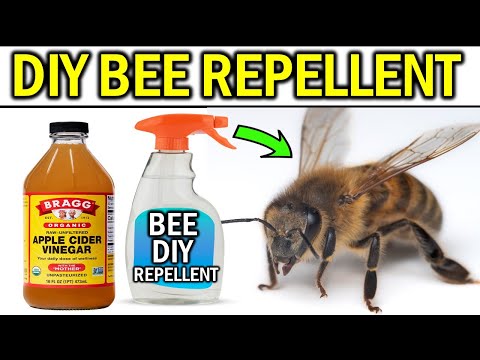
Bees get drawn to things that remind them of flowers or food. If you know what catches their attention, you can dodge a lot of bee encounters.
Scented Products and Nectar-Like Smells
Bees love sweet and floral scents because they think it means nectar. If you wear perfumes, lotions, or shampoos with strong floral or fruity smells, you might notice more bees checking you out.
Those scents mimic flowers, which bees are always hunting for. To keep bees away, go for unscented or super light-scented products.
Skip the sugary sprays or lotions, especially if you’re hanging out outside. Want more details? Here’s a handy guide on what attracts a bee to you.
Wearing Bright Colors
Bees spot bright colors easily—they use them to find flowers. If you wear a lot of yellow, blue, red, or purple, you might look like a walking flower.
These colors really grab a bee’s attention, especially if you’re moving around a lot. If you’d rather avoid bees, stick to neutral or darker shades.
Floral patterns can also fool bees, so maybe skip those if you’re worried. Beekeepers often wear bright colors, but for the rest of us, muted clothes work better.
Sweat and Human Skin
Sweat gives off acids and salts that can attract bees. When you sweat, salt crystals form on your skin, and bees sometimes look for those minerals.
Bacteria on your skin can also make scents that bees find interesting. If you want to keep bees at bay, stay clean and wipe away sweat when you can.
Use a damp cloth or take a quick shower after being outside. Bees are more likely to follow you if you’re sweaty, so staying dry definitely helps.
Presence Near Beehives or Nests
When you get close to a beehive or nest, guard bees start watching you. They’re pretty serious about protecting their home, so even a small movement might make them buzz over to check you out.
If you hang around flowering plants, you’ll probably notice more bees showing up too. Those blooms just pull them in.
Want to keep bees from following you? Try to steer clear of areas with active hives or nests. If you end up near beekeeping spots, just move calmly—don’t start waving your arms around.
Bees usually won’t sting unless they actually feel threatened. For more tips on dealing with bees near your place, you might want to check out why bees fly around you.


