
So, you’re waking up with itchy red spots and wondering—are bed bugs or fleas to blame? Honestly, the fastest way to tell is by checking where and how the bites show up: bed bug bites usually form a line or cluster, while flea bites tend to pop up more randomly, often around your ankles. Both pests bite to feed on your blood, but they leave different clues behind.
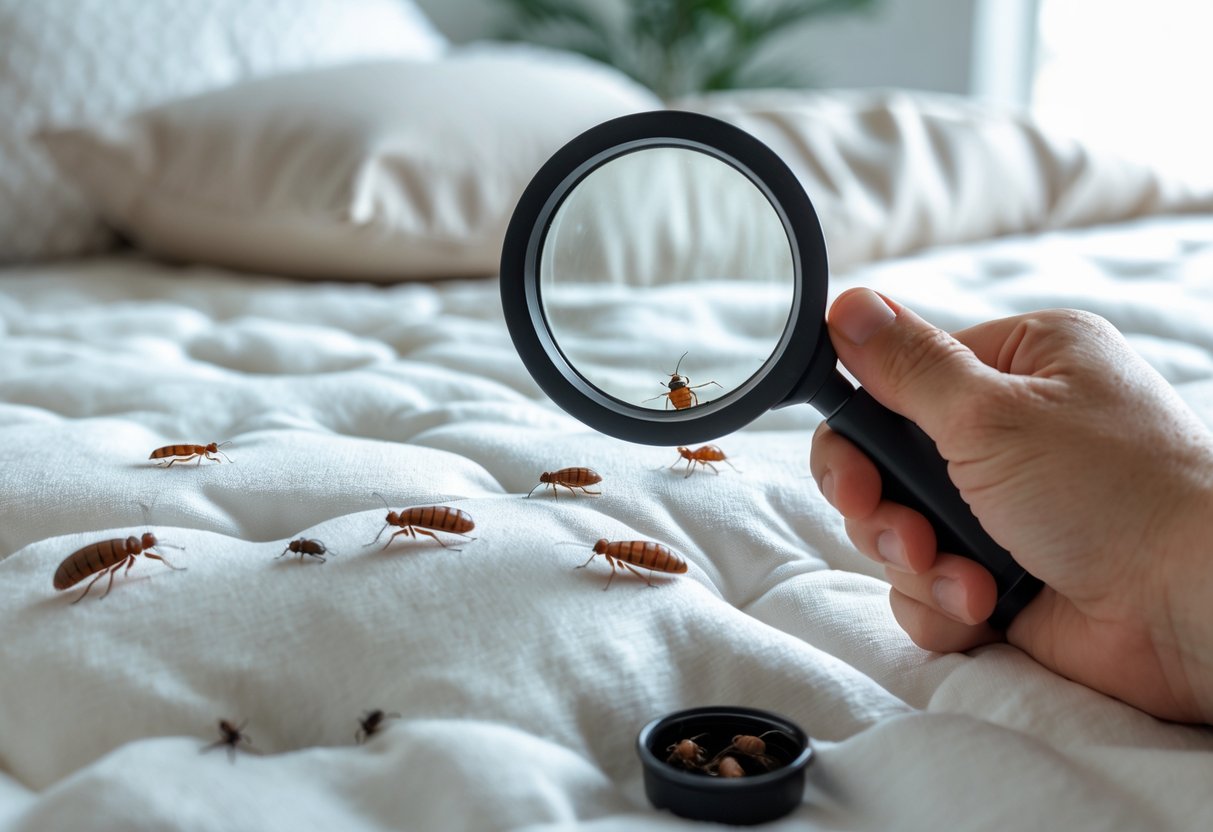
If you spot tiny bugs jumping around, you’re probably dealing with fleas—they can jump, but bed bugs just crawl. Take a close look at your mattress and furniture. Bed bugs hide out in cracks and crevices near where you sleep.
Noticing these differences helps you figure out what you’re dealing with and what to do next. It’s worth checking carefully so you can avoid more bites.
If you’re curious about more signs and what steps to take, stick around for some straightforward tips on telling bed bugs and fleas apart. It’s honestly a relief when you finally know what’s biting you. For some extra details, you can check out Flea Bites vs. Bedbug Bites: How to Tell Them Apart.
How to Tell If You Have Bed Bugs or Fleas

Figuring out if you’ve got bed bugs or fleas helps you pick the right solution. Look at the bites, check where you find the bugs, and notice any telltale signs left behind.
These clues make it much easier to spot the right pest.
Key Differences Between Bed Bugs and Fleas
You’ll usually find bed bugs in bedrooms. They love hiding in mattress seams, bed frames, and tiny cracks.
Fleas prefer your pets. They hang out in carpets, furniture, and anywhere your pets sleep.
Bed bugs look bigger and flat, about the size of an apple seed. Fleas are smaller, move fast, and have long legs for jumping on animals.
Here’s a quick tip: If you find most bites on people and dark spots (bed bug droppings) on your sheets, you’re likely dealing with bed bugs. If your pets have bites or you spot “flea dirt” (tiny black specks) in their fur, fleas are the culprit.
Identifying Bite Marks
Bed bug bites usually show up in lines or clusters on parts of your skin that are exposed—think arms, neck, or back. These bites cause red, itchy bumps and sometimes even blisters.
Flea bites, on the other hand, usually appear on your legs and ankles. Fleas jump up from the floor, so that’s where they strike. The bites look like small, itchy red dots and can sometimes look like a rash.
If you see grouped bites mostly on yourself, bed bugs are probably to blame. If the bites are scattered and your pets seem itchy, fleas are more likely. It’s tough since both bites itch a lot, so check for other signs too.
Where to Look for Each Pest
Check your bed for bed bugs. Peek into mattress folds, under pillows, and behind headboards. You might find shed skins, blood spots, or dark stains from their droppings.
For fleas, look at your pets. Fleas hide in their fur, especially around the tail and neck. Flea dirt looks like black pepper and turns reddish if you get it wet.
Fleas also live in rugs and pet bedding. Vacuum these spots often. If you’re dealing with bed bugs, focus your search on the bedroom and nearby furniture.
If you’re still not sure, learning to spot these signs helps you act fast and deal with the right pest. For a detailed guide, check out pestclue.com.
Signs, Health Risks, and Treatment

Knowing what to look for makes it easier to figure out if you’ve got bed bugs or fleas. Each pest leaves different marks, comes with different health risks, and needs a specific approach to get rid of them.
Physical Signs of Bed Bugs
Bed bugs are small, reddish-brown insects, about as big as an apple seed. You’ll find them hiding in cracks in your bed frame, mattress seams, behind headboards, or even under loose wallpaper.
Look for small brown or black spots on your bedding. These are their droppings. You may also find tiny rust-colored blood stains from crushed bugs.
Their bites show up in clusters or lines, mostly on your face, neck, or arms. They cause itchy, red bumps and sometimes even welts or blisters.
Physical Signs of Fleas
Fleas are tiny, dark, and jumpy—they’re gone in a flash. You might notice flea dirt (those tiny black specks) on your pet’s fur or on your bedding. Flea dirt basically means you’ve got an infestation.
Flea bites look like small, red dots with a red halo. They usually show up on your lower legs and ankles, not so much on your upper body. They itch a lot and can bother you for days.
If your pets are scratching nonstop or losing fur, that’s a big clue fleas are around.
Health Risks and Diseases
Bed bugs don’t spread diseases, but their bites can make you itch or have allergic reactions. If you scratch too much, you might get a skin infection. Dealing with bed bugs can mess with your sleep and stress you out.
Fleas are a bit more serious. Their bites can cause allergies, skin infections, and even spread diseases like typhus and the plague in really bad cases.
Both pests can make you anxious or uncomfortable since constant itching and bites are just miserable. Treat the bites with cleaning and soothing creams, but honestly, getting rid of the bugs is what really matters.
When to Call Pest Control
If you spot live bugs, notice bite marks in clusters, or see black spots on your bedding, you really need to act fast.
Bed bug eggs hatch quickly, so the infestation can get out of hand before you know it.
Fleas also multiply fast, especially if you have pets around.
If you keep finding bites even after cleaning and treating your pets, it might be time to call in some help.
Pest control pros know how to find those hidden spots and use special treatments to wipe out pests for good.
If the infestation’s big or you just can’t stop the bites, getting a professional really is the best move.
Jumping on the problem early can save you money—and honestly, it’s a lot less stressful than battling pests for weeks.


