
Whenever bees pop into your mind, you probably picture that sharp sting. But honestly, not all bees are out to get you. A lot of them just want to go about their business and won’t sting unless they really have to.
Solitary bees and male bees are the least likely to sting you. Male bees don’t even have stingers, so they’re totally harmless.
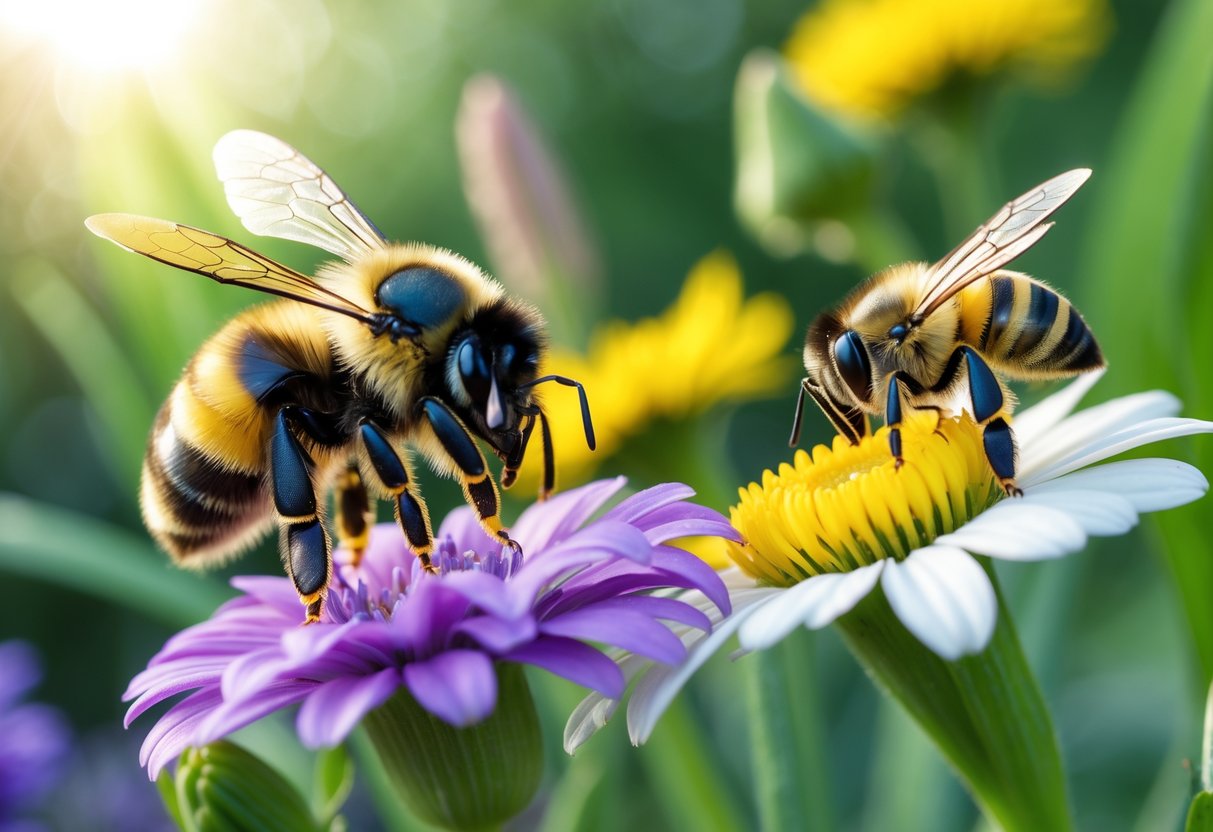
Bees that live in colonies—like honeybees—will defend their hive if they have to, but most of the time, they’ll leave you alone unless you mess with them. If you know which bees are chill and which ones get defensive, you’ll have a much better time out in nature.
Let’s dig into which bees are actually gentle and how you can spot them.
Which Bees Are Least Likely To Sting You?

Some bees almost never sting because of how they’re built or how they act. Others just aren’t aggressive and only sting if they feel cornered.
Knowing which bees are gentle definitely makes it easier to relax around them.
Non-Stinging Bee Species
Some bees can’t sting at all. These non-stinging bees just don’t have the right body parts, so there’s nothing to worry about with them.
One famous group is the stingless bees, which mainly hang out in tropical places.
Stingless bees won’t chase you down or attack. They use other tricks to protect their nests, like biting or making weird smells.
Even if you get close, they usually just keep doing their thing. That makes stingless bees some of the safest you’ll ever meet.
They help with pollination, but they don’t sting like honeybees or wasps.
Stingless Bees and the Meliponini Tribe
The Meliponini tribe covers all stingless bees, and you’ll mostly find them in warm climates. Instead of stinging, they might bite or release odd odors to defend themselves.
If you spot tiny black or brown bees buzzing calmly around flowers, you’re probably looking at stingless Meliponini bees. These guys are fantastic pollinators and won’t bother you.
They build large colonies and protect themselves in ways that don’t involve stinging. That’s good news for everyone.
If you’re curious, you can check out more about stingless bees at livebeekeeping.com.
The Role of Male Bees in Stinging
Male bees just can’t sting—they don’t have the equipment. That’s true for male carpenter bees and other male bees too.
If you see a big, noisy bee (like a carpenter bee) hanging around wood or flowers, it could be a male just chilling or patrolling. Since they can’t sting, there’s no reason to be afraid, even if they get close.
Knowing the difference between male and female bees can really help calm your nerves.
Males are there for mating, not defending the hive, so you won’t get stung by them.
Least Aggressive Solitary Bees
Some solitary bees—like mason bees and leafcutter bees—almost never sting. They live alone and don’t have a colony to defend.
Mason bees are tiny, easygoing, and barely ever sting, even if you handle them. Their sting isn’t barbed, so they could sting more than once, but honestly, they almost never bother.
Leafcutter bees are busy collecting pollen and building nests. They’re great pollinators and won’t mess with you unless you really provoke them.
These solitary bees are awesome for gardens because they help flowers thrive and you don’t have to worry about stings.
You can read more about these gentle bees at pollenpaths.com.
Why Some Bees Rarely Sting Humans

Some bees just aren’t interested in stinging people. Their behavior, body design, and how they look after their homes all play a part.
You’ll notice that certain bees focus more on gathering pollen or finding new places to live than on being aggressive. That’s why you can feel safer around some bees than others.
Bee Behavior and Defense Mechanisms
Bees mostly sting to protect themselves or their hive. If they feel safe—like when they’re swarming or foraging—they usually don’t sting.
Honeybees (Apis mellifera) spend their time collecting nectar and pollen. They try to avoid stinging unless you threaten their home.
Africanized honeybees (sometimes called killer bees) get more defensive and will sting if they sense danger. Bumblebees and carpenter bees usually only sting if you handle them roughly.
Most bees would rather fly away than fight.
Stinger Anatomy and How It Works
Only female bees have stingers, which actually come from egg-laying parts called ovipositors. The stinger is sharp and barbed, and it injects venom.
Honeybees have barbed stingers that get stuck in your skin, so the bee dies after stinging. That’s why honeybees don’t sting unless they really have to.
Queen bees have smoother stingers and could sting more than once, but they rarely sting people. Bumblebees also have smooth stingers, so they can sting repeatedly, but they’re not usually aggressive.
Some stingless bees have evolved to use other defenses instead of stinging.
Pheromones and Colony Protection
When a bee stings, it releases alarm pheromones to warn the others. These chemicals can make nearby bees more aggressive and ready to sting, too.
This group defense helps protect the colony from threats.
If you disturb a hive, the pheromones kick off a team response, especially in social bees like European honey bees.
But if you stay calm and don’t make sudden moves, you’re less likely to trigger that defense. Smoke can also mask those pheromones, which is why beekeepers use it to keep bees calm.
Environmental Factors Reducing Aggression
People change bee behavior when they destroy habitats or spray pesticides—especially those neonicotinoids everyone talks about. If bees can’t find enough flowers or get exposed to chemicals, they often act more defensive or just seem confused.
When bees have clean places to live and lots of food, they usually stay calmer. You’ll notice they’re less likely to get aggressive if they don’t feel threatened.
Good beekeeping makes a difference too. If beekeepers avoid crushing the hive and use smoke, they can cut down on stings.
Ever wonder why bees seem so chill out in wild, natural spots? Their environment probably helps them feel safer.


