
So, you’ve spotted a bee nest near your home and really want it gone—without paying a fortune? You’re definitely not the first. Honestly, the best shot at free bee nest removal in the UK is to reach out to local beekeepers or your council. Sometimes, they’ll come out and sort it for you at no charge, safely moving the bees somewhere else. It’s a win for you and for the bees.

Bees matter so much for our environment, so try not to harm them if you can help it. If you can’t find free professional help, you’ve still got options—natural tricks like citronella or growing bee-repelling plants can sometimes make bees move out on their own.
It’s worth learning a bit about these safe and gentle ways. A little patience and know-how can really change the outcome.
Free and Bee-Friendly Ways to Remove Bees Nests in the UK
You can help both yourself and the bees by figuring out what kind of bees you’re dealing with and choosing safe ways to get them to leave. Sometimes, local beekeepers or pest controllers lend a hand for free, but they can’t always help with every nest.
Identifying Nesting Bee Species
First up, figure out what bees you’ve got. Honey bees usually form big colonies and make those classic wax combs.
Bumblebees look fuzzier and nest in smaller groups, often underground or tucked away in sheds. Solitary bees do their own thing, nesting alone in soil or little holes.
Once you know the species, you can decide if you need a beekeeper or if you can try some gentle DIY tricks. Honey bees especially need protection—they’re crucial for pollinating crops.
If you remove honey bee nests safely, you help the environment and keep the bees safe, too.
Safe DIY Bee Nest Removal Methods
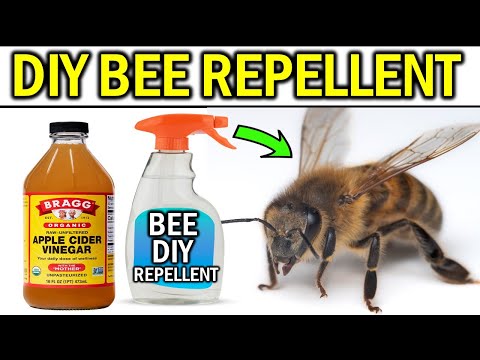
Before you try anything drastic, try natural deterrents like smoke, citronella, cinnamon, or even vinegar. These can gently push bees to leave.
Seal up any cracks or holes around your place so the bees can’t come back later.
If the nest is small and easy to reach, you might try spraying water on it early in the morning when the bees are sluggish. Don’t use insecticides—bees are good guys, after all.
Keep kids and pets away while you work, and put on some protective clothes. If the nest is hidden in a wall or somewhere tricky, you’re better off calling in a pro.
When to Call Local Beekeepers and Pest Controllers
Check if any local beekeepers offer free removal. Lots of them do—they want to save honey bees and sometimes reuse the hives.
You can find these folks through beekeeping groups or on websites like Happy Beekeeper.
If you’re dealing with a safety risk or if it turns out to be wasps or another stinging insect, reach out to pest controllers who follow British Pest Control Association (BPCA) rules. Sometimes, they’ll do free removals for nests near schools or hospitals.
When you call, explain what’s going on so they can come up with the safest, kindest plan.
Limits and Availability of Free Bee Removal
Usually, free removal only applies to honey bees, not all bees or wasps. Local beekeepers might say no if the nest is too hard to reach or it’s risky for them.
If a pest controller offers free help, it’s often for urgent situations, like nests near public places. For trickier jobs or late in the year, you might have to pay.
Your best bet is to contact your council, local beekeepers, or BPCA-approved pest companies to see what’s possible in your area.
If you want more details, check out this guide on how to get rid of bees nests free UK.
UK-Specific Safety, Legal, and Ethical Considerations

If you find a bee nest on your property, focus on staying safe and protecting everyone around you. Follow UK rules about bees, and skip the harsh chemicals if you can.
Taking care of bees and using responsible methods helps the environment and your neighbours.
Precautions and Personal Safety
Before you get anywhere near a bee nest, suit up. Wear thick clothes that cover your whole body—arms, legs, and especially your face.
Gloves and a hat with a veil make a big difference. Bees can get aggressive if they feel threatened or disturbed.
Keep kids and pets far away. If you’re not sure what you’re doing, or you know you’re allergic, don’t try to handle it alone.
Call someone who knows what they’re doing instead. Staying calm and moving slowly around bees lowers your chances of getting stung.
Legal Protections and Bee Conservation
In the UK, no specific law protects honey bee colonies, so technically, you can destroy a nest. But should you?
Destroying a nest can damage the local environment since bees are such vital pollinators.
Groups like the British Pest Control Association (BPCA) push for safe, legal, and ethical removal. They recommend moving bees instead of wiping them out.
Always check local rules and ask for advice before doing anything, especially if you want to avoid hurting bees.
Risks of Using Insecticides
Using insecticides on bee nests is risky—for you and for nature. These chemicals might kill bees quickly, but they also hurt other insects and animals.
Insecticides can leave behind nasty residues in the soil and plants.
If you absolutely must use them, follow the instructions to the letter and try other options first. The safest choice is usually to call a pest control expert who sticks to BPCA-approved methods to protect bees and the environment.
Ensuring Responsible Bee Removal
Thinking about getting rid of a bee nest? Honestly, it’s best to pick a method that lets the bees live. In the UK, you can actually find quite a few companies offering free bee removal.
They’ll come over and move the hive somewhere safer, far from your home, instead of just wiping out the bees. That feels a lot better, doesn’t it?
Try to find professionals who know what they’re doing and belong to groups like the BPCA. These folks bring the right tools and some careful techniques, so the bees stay calm and your property doesn’t take a hit.
When you let the bees relocate, you’re giving local pollination and biodiversity a real boost.


