
Bees might look like they’re just busy buzzing around, but honestly, they’re pros at sending signals to each other. Inside a hive, they use all sorts of tricks—movements, vibrations, even smells—to share what matters most.
Bees absolutely send signals to communicate with their hive mates, helping the group find food and stay safe.
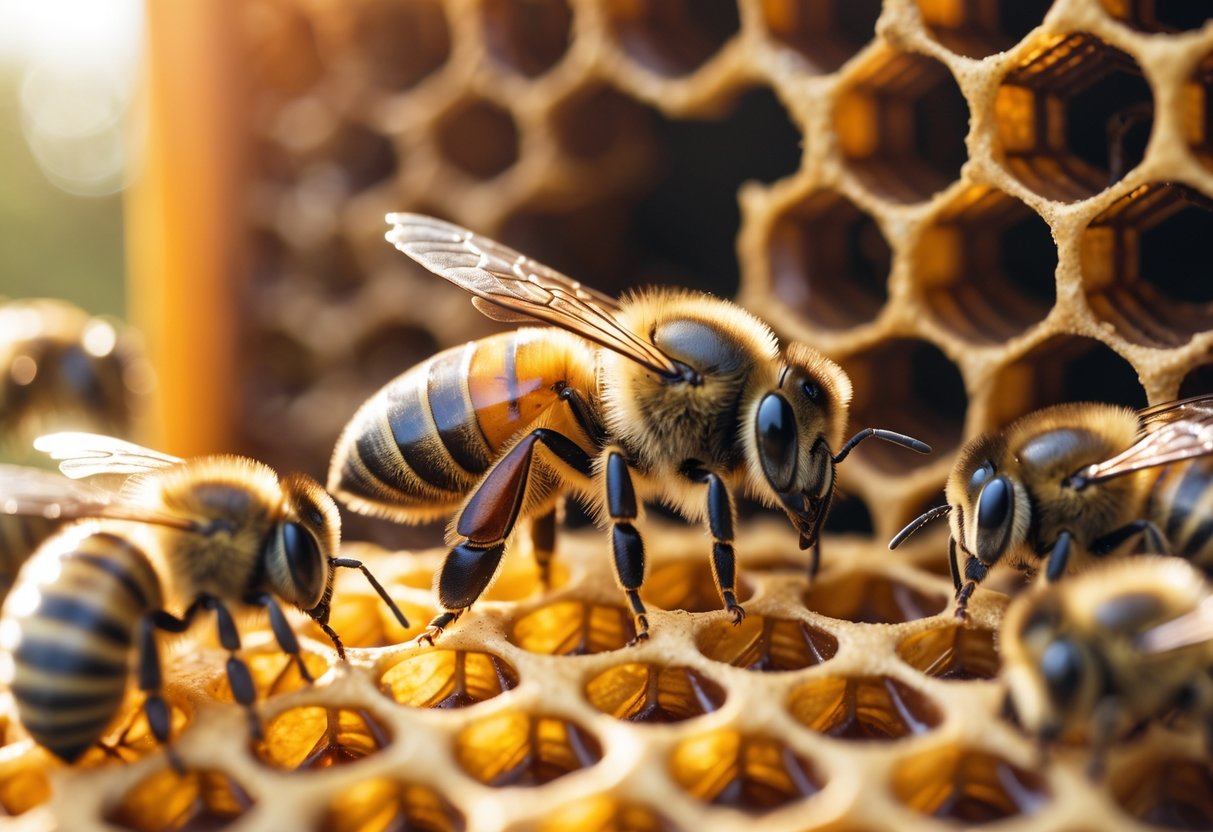
You might think bees can’t talk, but wow, their signals pack a punch. Whether it’s the classic waggle dance or some subtle body vibrations, these methods keep the hive humming along.
If you’ve ever wondered how bees manage to keep their world in order, their secret language is the answer.
Learning how bees communicate might just change the way you see these tiny creatures. They use sounds, touches, and scents to send messages fast.
Curious about bee signals? You’ll probably find some wild facts about how life inside the hive actually works. For more details on how bees use sounds and movement, check out this article on bee communication.
How Bees Send Signals to Each Other

Bees live in crowded colonies, and they need clear messages to keep things running. They mix chemical scents, body movements, and vibrations to share info about food, danger, and jobs.
Pheromone Communication and Chemical Signals
You’ll notice bees lean heavily on pheromones for chemical messages. These special scents come from glands and carry all sorts of news.
The queen bee gives off unique pheromones to show she’s healthy and in charge. Worker bees pick up on this and keep the colony in harmony.
Forager bees use chemical signals to mark flowers with nectar. They also pass pheromones during trophallaxis—that’s when they feed each other mouth-to-mouth, sharing both food and info.
If a threat pops up, guard bees release alarm pheromones. These scents warn others to get ready to defend the hive.
These chemicals can make bees more aggressive and ready to sting if needed.
Movement and Vibrational Signal Methods
Bees don’t just use chemicals—they use their bodies, too. Dances are a big deal. Forager bees bust out the famous “waggle dance” to show where food is, moving in specific patterns.
Inside the dark hive, bees use vibrations and touch to get their message across. Vibrations travel through the honeycomb, letting workers know what needs doing.
These signals guide jobs like feeding larvae or cleaning up. Vibrations help keep the colony in sync, even when it’s too noisy or dark for anything else.
Alarm and Distress Signals in the Hive
When danger shows up, bees send out alerts to protect their home. Alarm pheromones work like an urgent signal, spreading fast and encouraging a defensive mood.
If a bee stings, it releases even more alarm chemicals, calling the guard bees to help. This happens a lot with Africanized honey bees—they’re known for being extra defensive.
Other bees react by getting aggressive and ready to attack whatever’s threatening the hive.
The hive’s safety depends on this quick-fire communication to stop intruders in their tracks.
For more on how bees use chemical signals, visit how bees pass messages to each other.
Fascinating Bee Signal Behaviors

Bees have all sorts of ways to share info. From dances to special sounds and chemical cues, these signals keep the hive safe, organized, and productive.
You’ll notice how some behaviors tell bees where to find food, when to stop, or even when it’s time to pick a new home.
The Waggle Dance and Round Dance
When bees discover food, they don’t just buzz back and hope for the best. They use the waggle dance to tell others where to go.
This dance looks like the bee is shaking its body in a figure-eight. The angle and length of the waggle give away the direction and distance to the food.
For food closer to home, bees use a simpler round dance. They just move in circles—no fancy waggling needed. This means the food isn’t far, but doesn’t give exact directions.
Both dances send out vibrations that bees feel through their feet, so everyone gets the memo without a single word.
Karl von Frisch helped us figure out what these dances mean—learn more.
Stop Signal and Vibration Warnings
Bees don’t always want everyone to keep going. If a forager finds danger, it sends a stop signal—a quick buzz or even a head-butt—to tell others to pause or steer clear.
Sometimes, you’ll see bees making vibration signals by pressing their bodies and beating their wings inside the hive. These vibrations warn others about threats like wasps or trouble near the entrance.
These signals help prevent unnecessary stings and protect the whole colony by stopping risky behavior before it starts.
Queen-Specific Signals and Swarming Events
The queen bee doesn’t stay quiet—she sends out some pretty important messages. She releases something called queen mandibular pheromone, a chemical that lets the other bees know she’s healthy and in charge.
This pheromone stops other female bees from laying eggs, keeping things orderly in the hive.
When a swarm gets ready to leave and look for a new home, communication suddenly becomes a big deal. Scout bees start making piping sounds with their bodies to show they’re ready.
They also use pheromones and little dances or movements to help pick the best new place for the hive.
Honestly, it’s almost like watching a bee “democracy” in action, where all these signals let the colony decide what to do next—hopefully without too much chaos. If you’re curious, you can check out more details here.


