
If you’ve spotted bees buzzing around your place, you might wonder if they’ll just take off on their own. Honestly, yeah, sometimes bees leave naturally if the conditions aren’t quite right for them.
A lack of food, cold weather, or overcrowding can push them to move elsewhere.
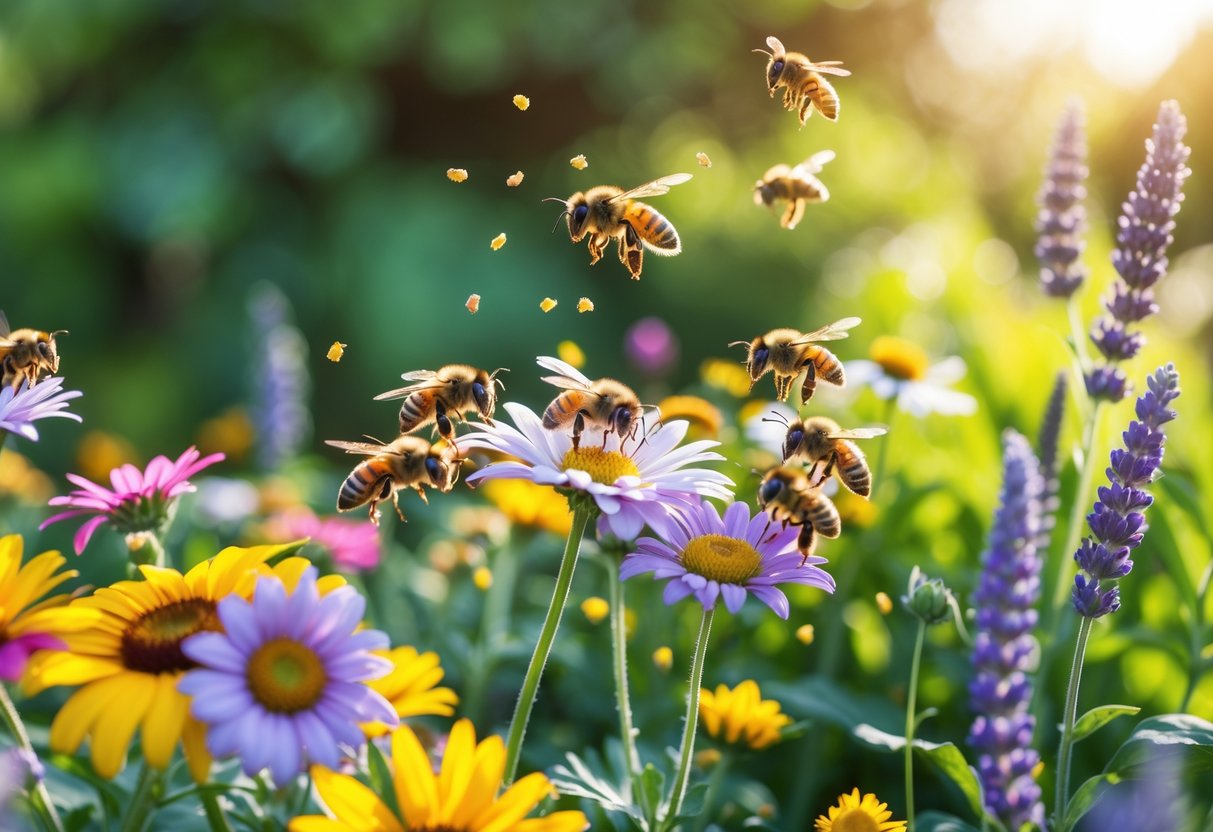
But if bees find enough food and a cozy spot to live, they’ll probably stick around. It helps to know what makes bees decide to leave so you can figure out if you should just wait or actually do something.
Bees play a huge part in the environment and your garden. Learning a bit about how they behave can really help.
So, how do you tell if bees will leave on their own? And what can you do about them without causing harm?
Will Bees Go Away on Their Own?
Bees decide to stay or leave based on what they need and what’s around them. Food, weather, and space all play a part.
If you understand these reasons, you’ll have a better idea of whether bees might just go away or if they’ll hang around.
Circumstances That Influence Bee Departure
Bees usually pack up and leave if they run out of food or water. When flowers dry up, honey bees start searching for new places with better nectar.
Cold weather can also chase them off since they need warmth to survive.
If a hive gets too crowded, some of the bees might swarm and look for a new home. Damage to their hive or threats nearby can also force them to leave.
If you see bees but there’s no obvious food or shelter, they might not stay long. But if they’ve found everything they need, chances are they’ll stick around.
You can dig deeper into this at Will Bees Leave on Their Own?.
Difference Between Swarms and Established Colonies
A swarm is basically a group of bees, including scouts, that leave an overcrowded hive to find somewhere new. You’ll sometimes spot them resting on a branch or fence while they search for a safe place.
Swarms don’t build a permanent hive right away, so they usually move on within days or maybe a week or two.
An established colony is a different story. These bees have a full hive, honey stores, and a queen. They’ll stay put as long as things are good—plenty of food, a solid home, and no big threats.
Colonies only leave if things go south, like if food runs out or disease hits. Knowing the difference helps you figure out if the bees near you are just passing through or planning to stay.
Common Places Bees Settle and Why They Stay
Honey bees love spots with shelter and food nearby. You’ll often find them in hollow trees, wall cavities, or sometimes even old birdhouses.
These places keep them safe from bad weather and predators.
Bees pick their spot based on warmth and access to flowers or water. If the area stays safe and there’s enough food, they don’t have much reason to leave.
If you notice bees in your yard, it probably means your place checks all their boxes.
Want to know more about bee behavior and where they like to nest? Check out Will Bees Go Away On Their Own? Understanding Their Behavior.
Safe and Humane Ways to Handle Bees

You can handle bees without harming them or yourself. Sometimes, it’s all about timing and using gentle methods.
If you’re not sure, getting an expert involved is usually the best move.
When to Call a Beekeeper for Removal
If bees settle somewhere tricky—like inside walls, trees, or close to your house—calling a beekeeper makes sense. Beekeepers know how to remove bees safely without hurting them or the hive.
They’ll usually relocate the bees so they can keep making honey and pollinating plants.
Some bees act more aggressively, and others need special handling. Trying to move them yourself could be risky and stressful for everyone involved.
A professional beekeeper will keep both you and the bees safe.
Natural Methods to Encourage Bees to Leave
If you’d rather encourage bees to move along without calling anyone, there are a few natural tricks. Try planting mint, eucalyptus, or citronella near your home—bees don’t love those strong scents.
Seal up any holes, cracks, or gaps in your house’s exterior. Bees often sneak in through these spots.
Using these methods can cut down on bee visits without harming them.
Skip the sprays or poisons. Those can hurt bees and the environment. Stick with natural deterrents and blocking entry points—it’s just better for everyone.
Why Professional Bee Removal Is Important
Honestly, bringing in a pro for bee removal just makes sense—bees are crucial for pollination, and we really don’t want to mess that up. Most professionals actually use humane techniques, so they keep your home safe without harming the bees.
They’ll figure out whether you’ve got honeybees or wasps buzzing around, since each needs a different approach. Their experience saves your property from damage and keeps those bees from coming back.
When you hire a beekeeper, you’re not just protecting your family. You’re also giving local bees a chance to keep doing their thing out in nature. If you want to dig deeper, check out humane bee removal methods.


