
When a bee lands on you, it’s totally normal to worry about getting stung. But honestly, a bee usually won’t sting you just because it landed on your skin.
Bees mostly check things out because they’re curious or maybe something about your scent or clothes caught their attention. They’re not out to get you.
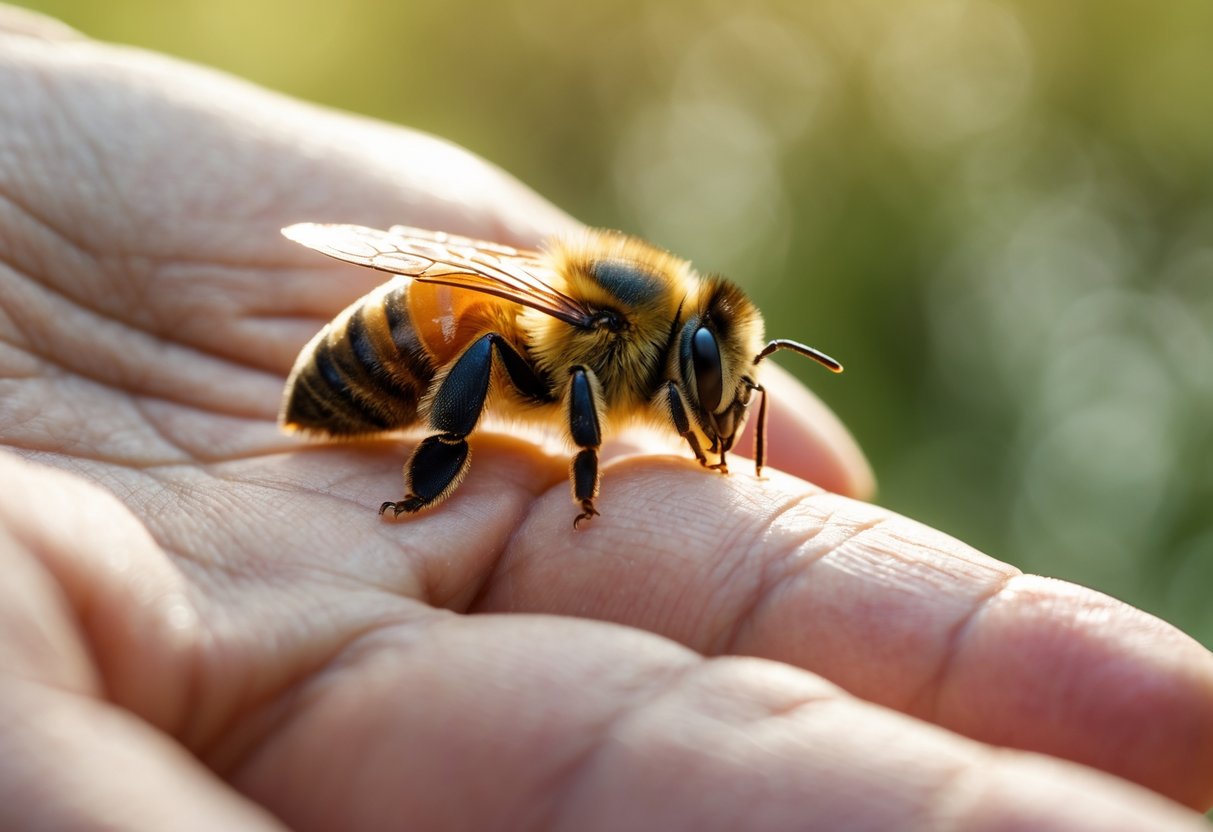
You might feel a bit nervous, and who wouldn’t? But if you stay calm and move slowly, you can usually avoid any drama.
Understanding why bees act this way can make these moments a lot less scary. And hey, knowing what to do next time can really help.
If you’re curious about how to react and avoid a sting, keep reading—I’ve got some tips.
Will a Bee Sting You If It Lands on You?

When a bee lands on you, it doesn’t mean you’ll definitely get stung. Bees usually sting only if they feel threatened or provoked.
Your reaction plays a big role in what happens next.
Common Reasons Bees Sting
Bees sting mainly to protect themselves or their hive. If you make sudden moves or press on them, they’ll defend themselves.
Honey bees only sting as a last resort. They lose their stinger and die, so it’s not something they do lightly.
Some bees sting if they think you’re a risk to their young or food. Swatting or trapping a bee can make it panic.
Most of the time, bees land on you because they’re curious or attracted to certain scents—like perfumes, lotions, or even sweat. They’re just exploring.
Does Staying Still Prevent a Bee Sting?
Yes, staying calm and still is honestly one of the best ways to avoid a sting. Bees are much less likely to sting if you don’t wave your arms or try to swat them away.
Sudden or quick movements can freak them out.
If you stay relaxed, the bee usually flies off on its own after a bit. When it leaves, just move away slowly and gently.
Bees aren’t aggressive by nature. They sting only when they feel trapped or in danger.
What to Do When a Bee Lands on You
If a bee lands on you, try to stay calm and take slow breaths. Don’t make sudden moves that might scare it.
If you want the bee to leave, gently brush it off with a soft motion. Use a flat hand or a soft object, but don’t squash it.
If you get stung, scrape the stinger out quickly with a fingernail or a card. Avoid tweezers—they can squeeze more venom in.
Wash the spot with soap and water. Apply ice to reduce swelling.
Watch for allergic reactions. If you have trouble breathing or see severe swelling, get medical help right away.
Want more details? Check out this guide on what to do if a bee lands on you.
Bee Behavior and Types of Bees That May Land on You

Bees have their reasons for landing on people, and it depends on the type of bee and what’s happening around them. Knowing which bees you might bump into—and why they sometimes act defensively—can help you stay calm.
Types of Bees and Their Stinging Behavior
You’ll probably run into honey bees, bumble bees, or solitary bees. Honey bees live in big colonies with a queen and tons of workers.
They’re usually pretty chill and only sting if they feel threatened.
Bumble bees are bigger, and while they can sting, they usually won’t unless you provoke them.
Solitary bees are less common and honestly, they’re not aggressive at all.
Here’s a quick look:
| Bee Type | Behavior Around People | Stinging Likelihood |
|---|---|---|
| Honey Bee | Calm unless disturbed | Low, if left alone |
| Bumble Bee | Can be curious but mild | Moderate |
| Solitary Bee | Usually avoid humans | Rarely sting |
If a bee lands on you, it’s probably just checking you out—maybe drawn by your scent or something shiny. It’s not looking to sting.
Bees Defending Their Hive or Territory
Bees get way more defensive when they think their hive or territory is in danger. Honey bees, in particular, really step up to protect their colonies.
If you wander too close to a hive or mess with their nest, worker bees might decide you’re a threat. They actually release a scent to call for backup, which can mean more bees—and more stings.
You can cut down the risk by giving hives some space. Try not to make any sudden moves near them.
If a bee lands on you, just staying calm and still usually keeps it from feeling threatened. Freaking out or swatting just makes things worse, honestly.
Want to dig deeper into different bees and how they act? Take a look at this detailed article on types of bees and their stinging behavior.


