
Bees have held a special place in UK folklore for centuries, especially in England and Scotland. People have seen them as wise, mysterious, and even holy creatures.
This connection comes from their important role in nature and their link to spiritual traditions. You’ll find stories that tie bees to saints and church rituals, too.
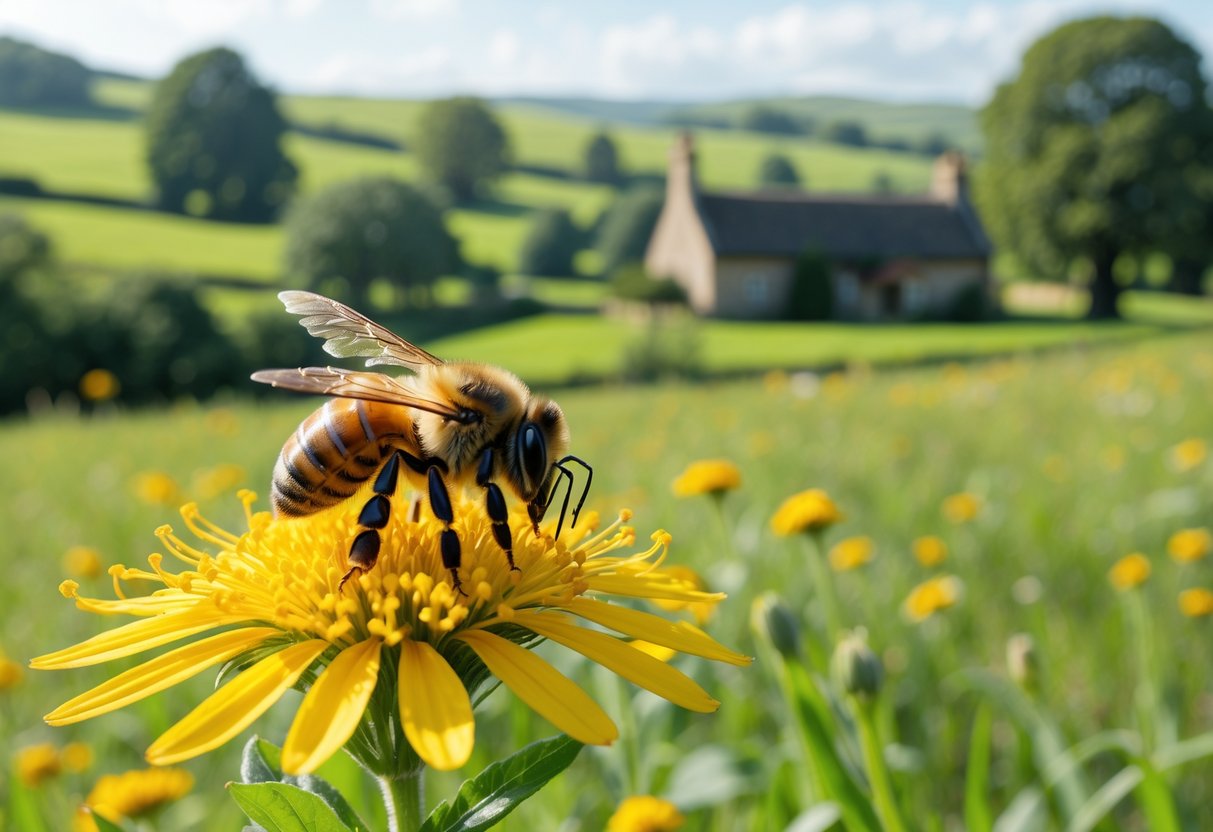
In British folklore, people believe bees are sacred and you must tell them about major events, like a family death, to keep them calm and working. If you don’t tell the bees, folks used to think they’d leave or stop making honey.
These customs show how closely people once lived with nature. They really respected these small but vital insects.
You might be surprised, but some beekeepers still follow these old traditions. Understanding this folklore helps you see bees as more than insects—they’re part of a long, meaningful story in the UK’s culture and history.
Curious about how these beliefs connect to life, death, and even royalty? There’s a lot more to the folklore of the bee in the UK than you’d expect.
Key Traditions and Beliefs in UK Bee Folklore

In the UK, bees are tied to all sorts of deep-rooted customs. These traditions link daily life with nature and community.
People show respect for bees as part of family, society, and even the spiritual world. It’s a relationship that feels almost personal.
Telling the Bees: Custom and Meaning
One of the most famous customs in UK bee folklore is “telling the bees.” You’re supposed to inform your bees about important family changes—births, marriages, deaths.
You might gently knock on the hive and quietly speak to the bees, using a soft or even mournful tone if the news is sad.
This tradition comes from the idea that bees are part of the family. If you don’t tell them about a death, people believed the bees might leave or stop working.
Mark Norman, author of Telling the Bees and Other Customs, says this practice keeps harmony between you and your bees. It shows you care for them almost like people.
Some folks use a key to knock, or they whisper softly to keep the bees loyal. Even now, this old custom gets remembered and recognized by The History Press as a big part of rural culture.
Beehives as Symbols of Family and Community
In UK folklore, beehives are more than just bee homes. They stand for the well-being of your family and community.
The hive shows cooperation, with every bee playing a role. The order and teamwork in a hive reflect how families and villages should work together.
Beekeeping in rural England mixed daily work with stories about the hive as a little society. When you see the hive as a symbol of family unity, you treat it with real care.
Beehives represent stability and productivity—qualities every household wants. People sometimes say the hive shows “perfect society,” and bees’ behavior inspired ideas about living closely with others, especially before anyone really understood queen bees.
Bees as Messengers Between Worlds
Bees in UK folklore often act as messengers between the human world and the spiritual world. Some say bees carry news from the dead or from fairies, linking life with the afterlife or magic.
When something serious happens in your family, like a death, telling the bees is also about respecting their role as spiritual messengers. You’re letting them know the family has changed, and they’ll carry the message somewhere beyond.
This idea goes way back, showing how much respect bees have earned—not just for their work, but for their mysterious powers. People used beeswax for church candles, tying bees to holy rituals.
If you’re curious about these mysterious roles, you can check out Bees in British Folklore or look up Mark Norman’s work on these customs.
Beekeeping, Rural Customs, and Notable Legends
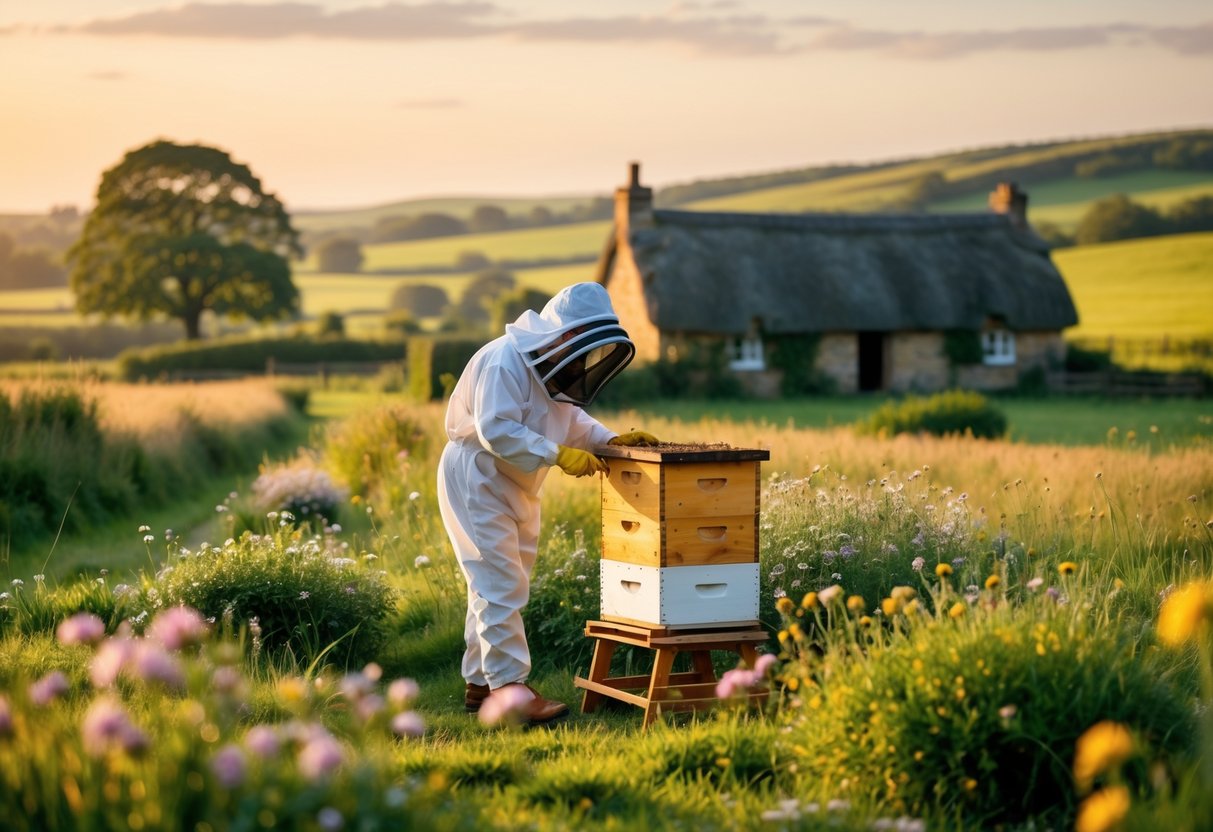
Bees have played a big role in the daily life and traditions of the British countryside. From old beekeeping ways to making mead, these customs carry a lot of meaning.
You’ll find plenty of old sayings and superstitions that show how people cared for bees and felt connected to nature.
The Role of Beekeeping in British Rural Life
Beekeeping has stayed a vital rural craft in the UK for centuries. Bees gave people honey and wax, both prized for food and candles.
A swarm of bees in May is often seen as a lucky sign of a healthy hive. Many rural folks believed it brought good fortune to welcome a swarm.
In villages, people saw taking care of bees as more than work. It was tied to family and community life.
Mead and Folk Celebrations
Mead, made from honey, became a special drink for festivals and celebrations. It connected bees directly to community rituals and seasonal events like harvest time.
Many ancient customs honored bees because mead was seen as a gift from nature’s hard work. You might spot mead in old stories, symbolizing health and friendship.
It helped people feel connected with the land and their beekeeping neighbors. Mead often marked important moments, from weddings to local fairs.
Seasonal Sayings and Superstitions
All over the UK, you’ll come across plenty of old sayings about bees. Take this one: “If bees swarm in May, you’ll have honey all summer and hay.” Folks used these little bits of wisdom to figure out when to look for swarms or gather honey.
Superstitions popped up everywhere too. People believed you’d bring bad luck if you messed with a hive without telling the bees first.
Bees seemed almost magical—like guardians of the home. So, people made sure to treat them with real care and respect during every bit of beekeeping.
If you’re curious about these old customs, check out the folklore of bees in the UK.


