
Ever wondered if bees can actually recognize you? It sounds a bit wild, but bees really can recognize human faces—even yours. They’re able to tell you apart from other people, especially if you hang around their hive for a while.
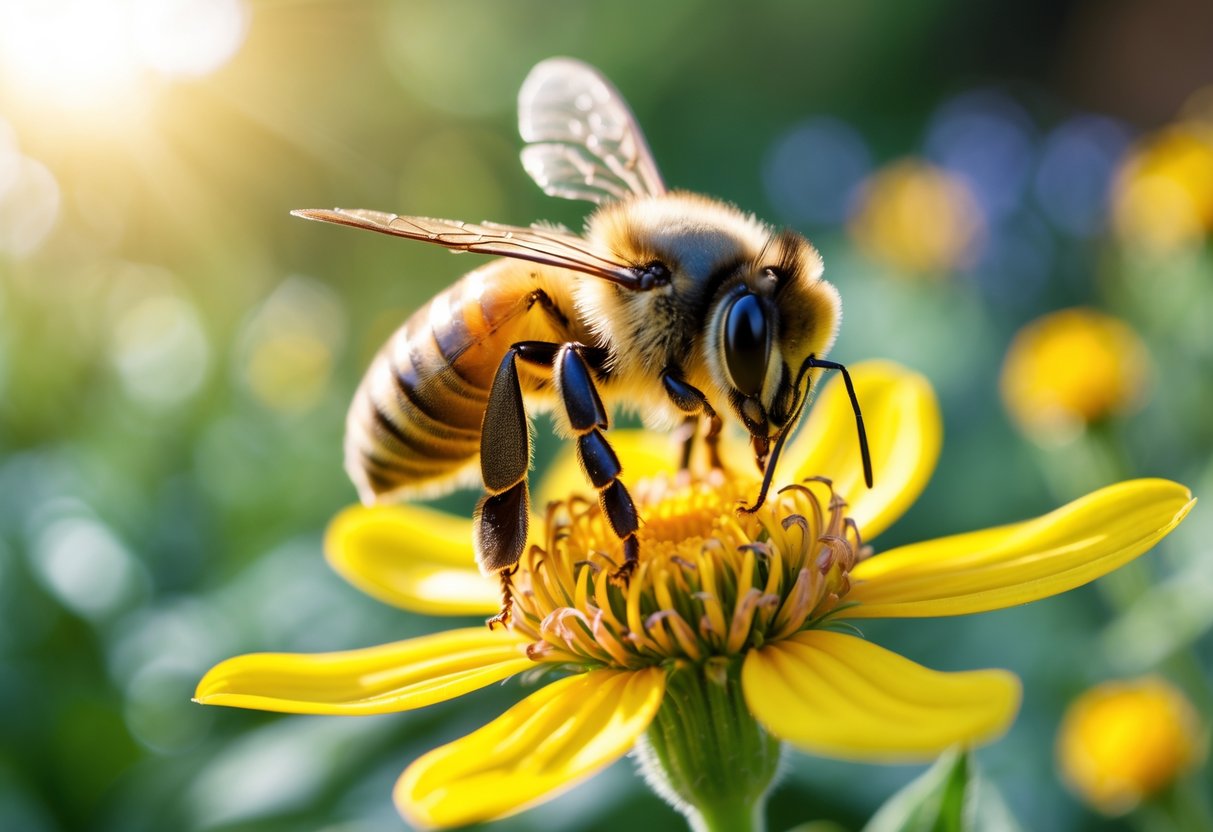
Bees have tiny brains, yet they use surprisingly clever tricks to spot and remember faces. This skill helps them figure out who’s friendly and who’s not, which probably makes their lives a bit easier. Honestly, who would’ve guessed these little insects could do something we thought only bigger animals could pull off?
If you’re curious about how bees manage this and why it even matters, stick around. There are some pretty cool facts about how bees see and remember the world.
How Bees Recognize Human Faces

Bees spot and remember human faces by picking out patterns and shapes. They learn which features go with each face.
Even though their brains are so small, bees focus on key details and piece them together into a full image. It’s pretty impressive when you think about it.
Scientific Evidence for Facial Recognition
Scientists have put this to the test, especially with honeybees (Apis mellifera). In these experiments, bees learned to pick out photos of faces they’d seen before.
They could tell faces apart, even if something changed a little. So, bees don’t just react to one detail—they actually learn a whole pattern.
It’s wild to think bees only have about a million brain cells. Humans have billions, yet bees still remember faces after seeing them a few times. This helps them recognize people, like beekeepers, which actually comes in handy.
Research at Cambridge University really stands out here. You can check out more on how bees recognize human faces.
Holistic Visual Processing and Pattern Recognition
Bees don’t see faces quite like we do. Instead of focusing on every tiny detail, they pay attention to the overall pattern.
This approach is called holistic visual processing. Bees look at where things like eyes, noses, and mouths are, then mash them together into one image.
Their brains treat faces as a collection of shapes. It’s similar to how they spot flowers, which also have patterns but different colors and forms.
Bees remember these patterns by connecting them with rewards, like sugar water in experiments. This helps them pick out faces from a lineup of images.
Honeybee and Bumble Bee Recognition Abilities
Both honeybees and bumblebees show this kind of skill. Most of the research focuses on honeybees, though, since they’re easier to study.
Bumblebees can learn to recognize patterns too, but there’s less research on them. The main takeaway? These insects use their tiny brains to pull off surprisingly complex tasks, like figuring out who you are.
That really makes you rethink what brain size means for intelligence. If you want to dig deeper, here’s some interesting reading: Honeybees Can Recognize Individual Human Faces.
Implications for Beekeepers and Human-Bee Interactions

Knowing that bees can recognize you can totally change your experience as a beekeeper. Your actions and how you show up around the hive shape how the bees react.
Beekeeper Recognition by Bees
Bees—especially Apis mellifera—pick up on who their beekeeper is. They use visual clues like your face and body shape, plus the scent from your skin or clothes.
So, when you visit the hive regularly, your bees often stay calmer because they know you. If you’re the one caring for them, they learn to connect you with safe interactions.
This lowers the chances they’ll get defensive or sting. Building that trust can make hive checks a lot smoother and safer.
Memory and Learning in Hive Dynamics
Bees really surprise me with their memory. They remember patterns, smells, and even faces—yes, actual faces! Inside the hive, these skills help with communication and picking flowers, but honestly, they also change how bees react to you.
Bees pick up on your behavior. If you move slowly and stay calm, they’ll figure out you’re not a threat. This memory shapes the hive’s social life and can even affect how healthy and productive the bees are. Stress? It throws a wrench in everything, from bee activity to honey.
Quick facts about bee memory and learning:
- Bees remember your scent and what you look like if you visit them often.
- They use patterns to tell friends apart from strangers.
- Positive experiences with you lead to a calmer hive.
If you want a better relationship with your bees, try to understand how they learn and remember. Curious about how bees recognize people? Check out the research on bee cognition and sensory learning.


