
Ever wondered if bees feel pain the same way people do? It’s not really a straightforward question, is it? Bees don’t experience pain just like mammals, but they definitely react to harmful stuff in ways that make you think they might feel something similar.
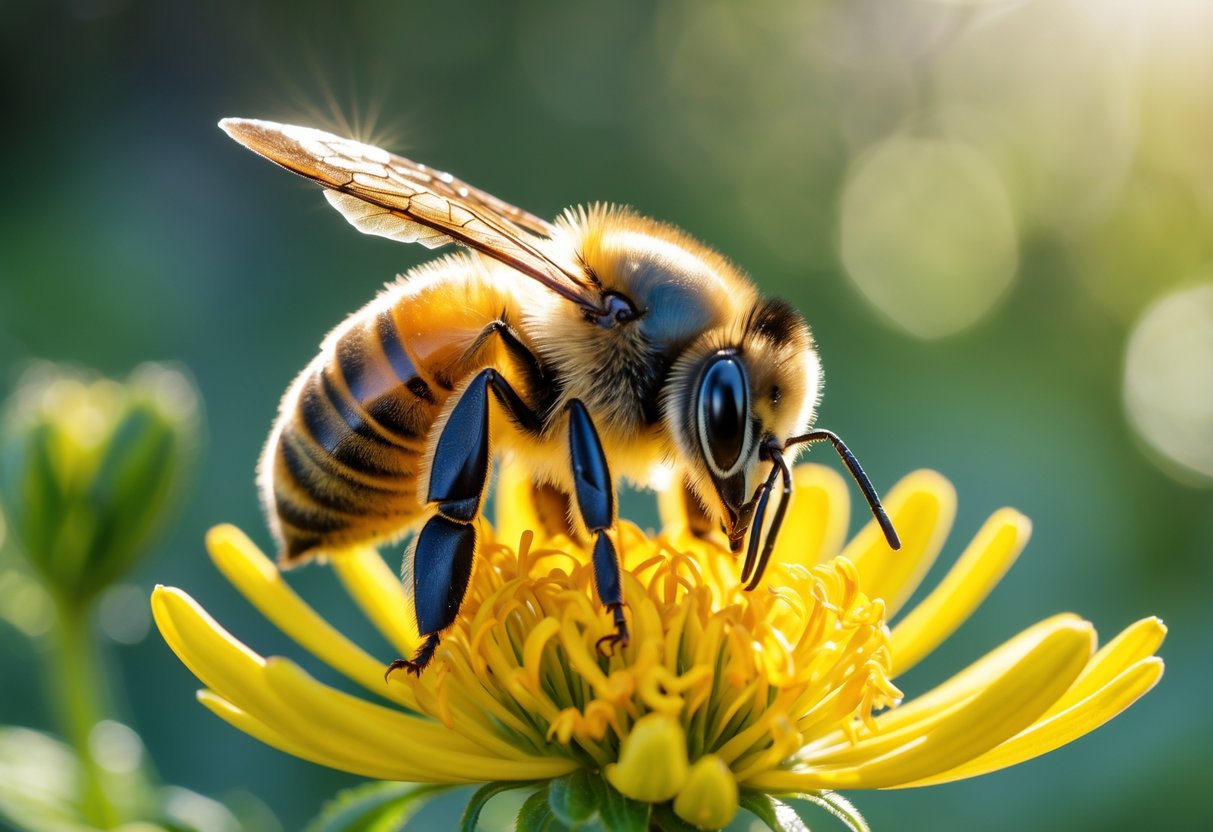
Researchers have actually watched bees grooming their injured spots and even making choices about whether to put up with pain for a reward. These actions suggest bees notice discomfort and do things to protect themselves.
When you think about this, it kind of changes how you see those little buzzing creatures in your yard.
Learning about bee pain might help you see them differently. Maybe they’re more than just insects after all.
Do Bees Feel Pain? Scientific Evidence and Debates

Maybe you’ve asked yourself if bees just react to being hurt or if they actually feel pain like other animals. Scientists dig into their behavior and brain responses, trying to figure out if it’s just nerves firing or something deeper.
A lot of debate comes from new experiments and what they might mean for insects in general.
Behavioral Responses to Injury
When bees get hurt, they groom the injured spot. That could mean they feel some kind of discomfort or pain.
Sometimes injured bees keep feeding and working, but others avoid stuff that might hurt them more.
Scientists pay close attention to how bees act after an injury. For instance, bees might steer clear of places where they got hurt before.
That’s not just a simple reflex—it suggests they remember pain, which is kind of a big deal.
Recent Studies on Pain Perception in Bees
Some studies show injured bees go for sugar water with mild painkillers, like morphine, instead of plain sugar water. It’s almost like they’re looking for relief, not just reacting.
Other research found bees can decide if a reward is worth putting up with pain. That kind of decision-making points to more complex brain activity.
It’s not proof of feelings exactly, but it does make you wonder, doesn’t it?
Comparing Nociception and Pain
Nociception is just nerves detecting something bad, like heat or an injury. Bees have this system, like lots of animals.
But pain? That’s more about emotions and being aware of suffering. That part’s much trickier to prove.
Bees react to painful things, but scientists still argue about whether it’s real pain or just nociception. If bees do feel pain, it means they’re aware of harm and suffering.
That difference matters because it could change how you treat bees.
| Term | Description | Example in Bees |
|---|---|---|
| Nociception | Automatic response to harm | Moving away from a hot surface |
| Pain | Feeling of suffering and distress | Choosing medicine after injury |
Pain in Insects: Broader Context
Bees belong to a bigger group of insects that scientists are studying for signs of pain. Some evidence says certain insects might feel pain, but it’s different for each species.
It’s worth knowing that many insects act in ways that seem more than just reflexes.
This whole debate affects animal welfare laws. If insects feel pain, it could really shift how people treat them in farming, research, and everyday life.
If you’re curious, you can check out research on injured bees tending their own wounds and studies about pain perception in honeybees.
Bee Physiology and How It Relates to Pain
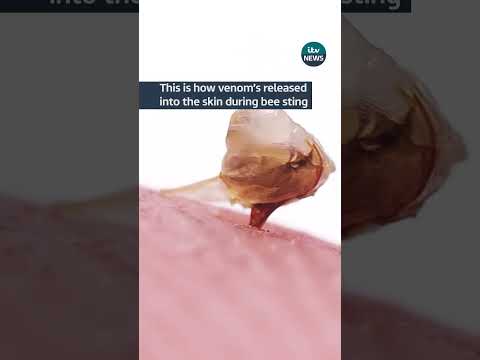
Bees have surprisingly complex systems for sensing and reacting to their world. Their bodies contain special parts that pick up on harmful things.
They can also learn from what happens to them and make choices, which changes how they deal with pain signals.
Bee Nervous System Structure
A bee’s nervous system is different from yours, but it’s still pretty advanced for an insect. Their brain has about a million neurons, so they process information quickly.
The system controls movement and senses. Bees have ganglia, which are clusters of nerve cells that handle signals from different body parts.
This setup lets bees respond to threats right away. The nervous system processes signals that might link to pain, though whether bees feel pain like humans is still up for debate.
Role of Sensory Receptors
Bees sense harm with special nerve cells called sensory receptors. These pick up things like extreme heat, touch, or injury.
If you burn your skin, it hurts. For bees, their receptors send warning signals to their nervous system about damage or stress.
These receptors help bees steer clear of danger and protect themselves. They might trigger things like moving away or grooming an injured spot, which suggests bees notice pain-like sensations.
Decision-Making and Learning Abilities
Bees don’t just react to what’s happening; they actually learn from the world around them. It’s honestly a little wild, but bees can remember unpleasant experiences and then decide if they want to avoid or put up with pain.
Researchers have watched bees willingly put up with discomfort just to get a reward. So, they’re not just running on autopilot—they weigh the pros and cons.
Their knack for learning and making choices hints that their experience of pain isn’t just a knee-jerk reflex. There’s some real processing and decision-making going on, which makes you wonder about the bigger picture of pain in insects.


