
If a bee lands on you, it’s natural to worry about getting stung. But honestly, most bees act pretty gentle and won’t sting unless you scare them with sudden moves or rough handling.
Staying calm and still is your best bet if a bee decides to check you out. That way, you’ll probably avoid any trouble.

Bees really don’t want to sting you. They can only sting once, and then they die, so it’s not something they do lightly.
If you don’t mess with them, bees usually just hang out or investigate a bit. Knowing how bees behave makes it easier to stay safe—and maybe even enjoy a close encounter with these cool insects.
Will a Bee Sting You If It Lands on You?

When a bee lands on you, it’s almost never looking to sting. Honey bees and bumble bees tend to stay chill as long as you don’t threaten them.
What you do really matters here. If you stay relaxed, the bee will probably feel safe too.
Understanding Bee Behavior When Landing
Bees sometimes land on people by mistake, or maybe they’re just curious about a smell—like sweat or perfume. They use their legs and antennae to check things out and figure out if you’re a threat.
Most bees, especially honey bees, act gentle when they’re away from their hive. They don’t want to sting unless they really have to.
If a bee just sits on you and doesn’t move much, it’s usually not mad. Bees don’t want to waste energy or risk their lives by stinging.
Bumble bees are bigger, but they’re also pretty peaceful unless you bother them.
Why Bees Sting or Don’t Sting Upon Landing
Bees sting to defend themselves or their hive. If you swat at them or move suddenly, they might see you as a threat and react.
Honey bees only sting when they feel like they have no other choice.
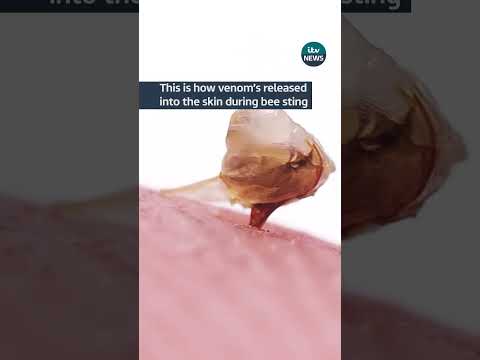
A bee’s sting hurts, but it’s not about being mean—it’s just defense. Honey bees lose their stinger and die after one sting, which is kind of sad.
Other bees and wasps can sting more than once, but they also only do it if they feel threatened.
What to Do If a Bee Lands on You
If a bee lands on you, try to stay calm and don’t move too fast. Avoid swatting or brushing it off hard.
You can gently blow on the bee or wait for it to leave on its own. If you really need to, use something soft, like a piece of paper, to brush it off slowly.
Being gentle keeps both you and the bee safe. It’s just a better approach all around.
If you want more details about bee stings and how to avoid them, check out what happens when bees feel threatened.
Factors That Influence the Chances of Being Stung
A few things make it more or less likely that a bee will sting you if it lands on you. Where you are, how you move, what you smell like, and the type of bee all play a part.
Knowing these things can help you stay chill around bees and avoid getting stung.
Proximity to a Beehive or Nest
If you’re close to a beehive or nest, your risk of getting stung goes up. Bees get really protective of their home.
When they sense danger nearby, they’ll sting to defend the hive.
A big group of bees means you should be careful. If you see a lot of bees flying in one area, it’s smart to move slowly or just steer clear.
Influence of Movement and Scent
How you move really matters when a bee lands on you. Quick, jerky movements can freak the bee out and make it sting.
Staying still or moving slowly is just safer.
What you wear and how you smell also make a difference. Bees like floral scents, but they might react to strong smells like perfume or sweat.
Try not to swat at bees—honestly, that almost always ends badly.
Role of Different Bee Species
Bees don’t all act the same way around people. Honey bees, for example, usually just mind their own business and only sting if they feel threatened.
They actually lose their stinger after stinging, so they really don’t want to sting unless they have no other choice.
Other bees? Some of them sting at the drop of a hat, while others barely ever sting at all.
Only female bees can sting—kind of wild, right? If you know that, it’s easier to stay calm and not freak out when bees are nearby.
If a bee lands on you, knowing a bit about their habits can help you react in a way that keeps you safe.
For more on bee behavior near hives, check out Tips to Prevent Bee Stings.


