
If you’ve ever tangled with a bee or a wasp, you already know it’s not a fun experience. The stings hurt—a lot. But which one actually feels worse? That’s a tougher call than you might expect.
Wasp stings usually hurt more than bee stings. Wasps can sting you over and over, and their venom feels stronger for most people.

Bee stings definitely pack a punch too, but they tend to leave you itching more afterward. Wasp stings, though, hit you with a sharper, almost electric pain right away.
Knowing these differences might help you stay a little safer, or at least know what’s coming if you get stung. Curious about why they hurt so differently and what you should do? Let’s dig in.
Pain Comparison: Bee Sting vs Wasp Sting

Getting stung by a bee or a wasp feels different in a bunch of ways. The pain hits differently, the sting itself works in its own way, and the discomfort can last for different amounts of time.
Let’s look at what actually happens when you get stung.
Immediate Sensations of Pain
A bee sting usually starts with a sharp, burning jolt. The bee’s venom, which has stuff like melittin and phospholipase A2, makes your body freak out a bit and brings on inflammation.
You might notice some itching pretty quickly too as your skin reacts.
A wasp sting, though, comes on even faster. Wasp venom packs acetylcholine and kinins, which bring a more intense, burning pain right away.
A lot of people say the pain from a wasp sting feels sharper and doesn’t let up as quickly.
Both types of stings can make your skin swell up, turn red, and feel hot. Still, most folks describe the first moments of a wasp sting as more painful.
Sting Mechanisms and Delivery
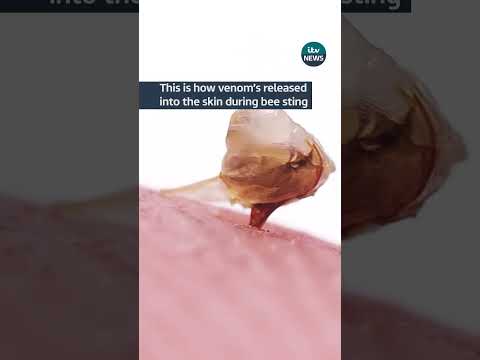
Bees use a barbed stinger that gets stuck in your skin. When a bee stings you, the stinger stays behind, tearing out of the bee’s body.
That’s actually fatal for the bee. The stinger keeps pumping venom into your skin until you pull it out.
Wasps, though, have a smooth stinger. They don’t lose their stinger, so they can jab you again and again.
Wasps will sting the same spot multiple times if they feel like it, which ramps up the pain and swelling.
Duration and Intensity of Discomfort
Bee sting pain tends to peak fast, then starts fading after a few hours. The spot might itch and stay swollen for days, though.
That itching comes from your immune system reacting to the venom.
Wasp stings, on the other hand, often hurt longer and swell up more. Since wasps can sting repeatedly, you might take in more venom.
A lot of people say that burning pain just hangs around for hours, and the swelling can get worse than with a bee sting.
If you have allergies, both types of stings can cause serious problems. But wasp venom is more likely to trigger strong allergic reactions, partly because wasps can sting over and over.
You can check out more details in this wasp stings vs bee stings article.
Venom Composition and Human Reactions
Bee and wasp stings mess with your body in different ways because their venoms aren’t the same. Each has its own mix of chemicals, which explains why the pain and swelling feel so different.
Let’s get into what’s actually in their venom.
Key Components of Bee Venom
Bee venom contains a protein called melittin—it makes up about half the dry weight of the venom. Melittin is acidic and damages your cells, which is why it hurts and gets inflamed.
Bee venom also has phospholipase A2 and hyaluronidase.
Hyaluronidase helps the venom spread by breaking down the glue that holds your cells together. That’s why you see redness and swelling around a bee sting.
The venom mostly makes your body launch an inflammatory response, kind of like an allergic reaction.
When a bee stings you, it leaves the stinger behind, so the venom keeps pumping in until you yank it out.
Unique Elements in Wasp Venom
Wasp venom is a bit more complicated. It’s got enzymes like phospholipase A1 and proteins called mastoparan.
Mastoparan tells your body to release histamines, which causes itching and swelling.
Since wasps don’t leave their stinger behind, the venom dose per sting is usually smaller. But the pain feels sharper and more burning.
Wasp venom also breaks down cell membranes, which adds to the tissue damage and pain. Kinins in the venom ramp up the pain by irritating your nerves.
Local and Systemic Body Responses
When you get stung, your body reacts right away with pain, redness, swelling, and itching. This is a large local reaction from the venom spreading and making your body inflame the area.
Sometimes, your whole body gets involved. Systemic reactions are less common, but you might feel a headache, nausea, or dizziness if the venom spreads or you’re allergic.
You’ll probably notice burning or sharp pain that can hang around for several hours. The venom makes your immune cells go into overdrive, so the area stays sensitive for a while.
Risk of Allergic Reactions and Anaphylaxis
Some people get allergic reactions after a sting. These can be mild or, honestly, pretty severe.
Mild reactions might show up as big swelling or itching that spreads past the sting site.
But sometimes, though it’s rare, stings trigger anaphylaxis. That’s a serious, life-threatening situation where you might find it hard to breathe, your throat swells up, or your blood pressure suddenly drops.
If you already know you’re allergic, keep diphenhydramine (that’s an antihistamine) or an epinephrine auto-injector with you, just in case.
Notice symptoms like trouble breathing, swelling, or dizziness? Don’t wait—get emergency help right away.


