
So you got stung by a bee, and now there’s a tiny stinger stuck in your skin. If you don’t get that bee stinger out fast, it’ll keep pumping venom in, and that just makes everything hurt more and swell up. The longer you leave it, the more it stings—literally.
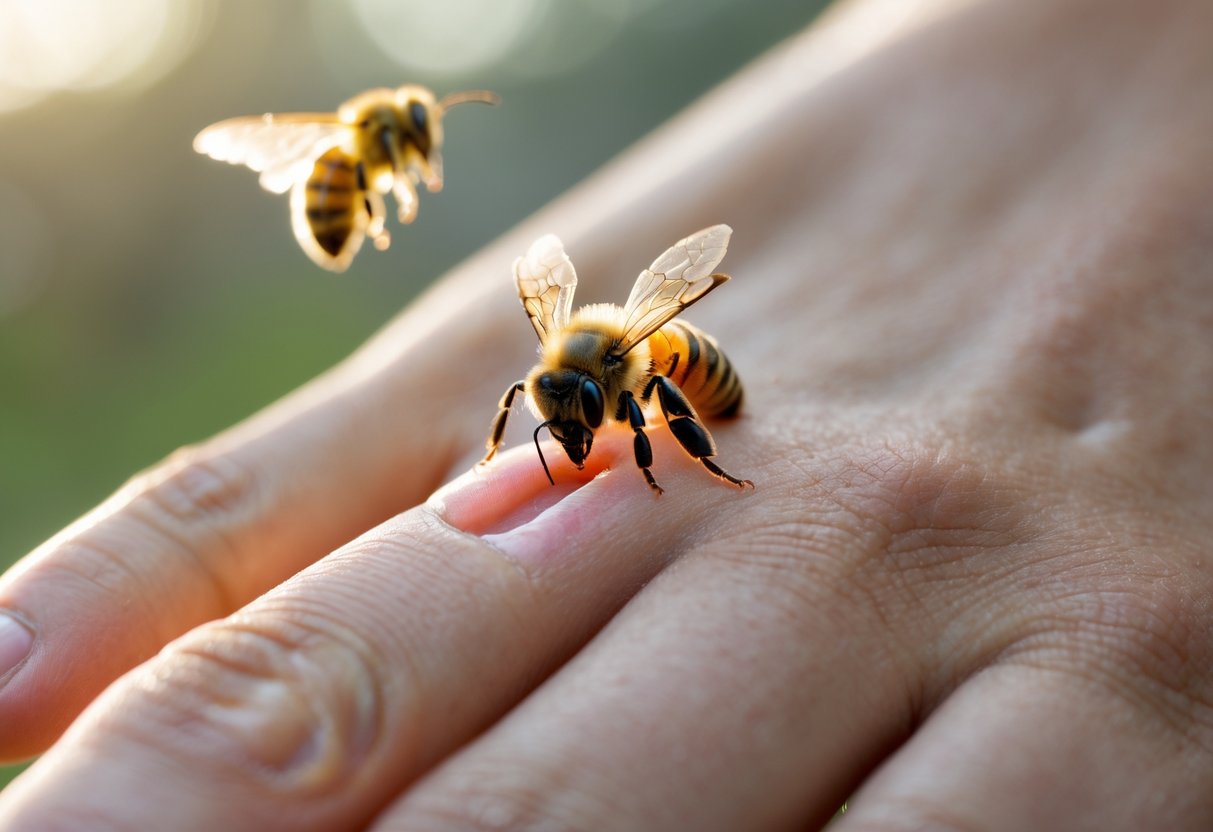
Leaving the stinger in also bumps up your risk for infection or a bigger allergic reaction. Your skin can get redder, itchier, and honestly, just more painful than a regular sting. If you know how to handle it right away, you’ll probably feel better a lot faster.
If you hang out outside a lot, you’ll want to be careful about bee stings. Understanding why you should pull out a bee stinger quickly might save you from bigger problems later.
Risks and Effects of Not Removing a Bee Stinger
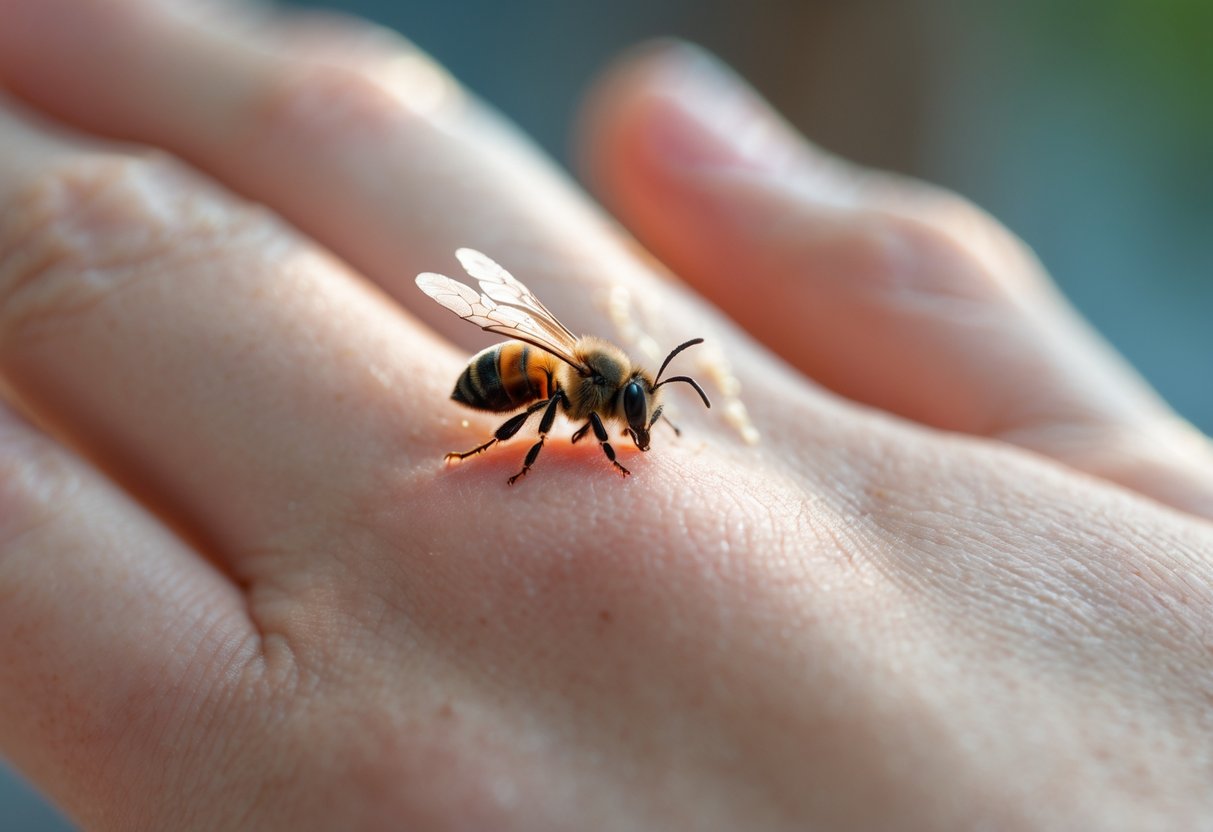
When you leave a bee stinger in, the venom keeps seeping into your skin. That just makes the pain and swelling worse, and it can even set you up for an infection.
Some people only get mild symptoms, but others can end up needing a doctor.
Continued Venom Release and Worsening Symptoms
A bee stinger left in your skin keeps pumping venom. This venom makes the sting site hurt, turn red, and swell up more.
The longer it stays, the worse it gets. You might even feel the area getting itchier and more tender.
If you pull the stinger out fast, you stop extra venom from getting in, which helps you feel better sooner.
Increased Possibility of Infection
A stinger hanging out in your skin can bring in infection. Those tiny barbs trap dirt and bacteria where it’s stuck.
If the spot gets infected, you’ll notice it getting warmer, more painful, or maybe even oozing pus.
Watch for redness or swelling that spreads away from the sting. Pulling the stinger out and keeping the area clean lowers your risk of infection.
Types of Reactions: Mild, Moderate, Severe
People react differently to bee stings. Mild reactions usually mean a bit of swelling, redness, and pain that fades in a few hours or days.
Moderate reactions can bring bigger swelling, more redness, and itching that hangs around for days.
Severe reactions are rare, but they can cause major swelling, hives, or really intense pain.
Knowing what kind of reaction you have helps you figure out if you need a doctor or just some ice and rest.
Potential for Anaphylaxis
In rare cases, a bee sting can trigger anaphylaxis—a dangerous allergic reaction. You might see trouble breathing, dizziness, swelling in your face or throat, or a super fast heartbeat.
If someone shows these signs, call emergency services right away. A stinger left in just makes things worse by releasing more venom, so get it out fast and seek help.
How to Safely Remove a Bee Stinger and Care for the Sting

Getting the stinger out quickly can really cut down on pain and swelling. You’ll also want to clean up the area and use some simple tricks to calm your skin.
If you react in a weird or severe way, don’t wait to get medical help.
Recognizing an Embedded Stinger
A bee stinger looks like a tiny, sharp black or dark brown dot in your skin. It’s usually surrounded by a red, swollen patch that can itch or hurt.
Sometimes you’ll see a little venom sac still attached. That thing keeps releasing venom even after the bee’s long gone.
Check your skin right after you get stung. If you spot a small splinter or black dot poking out, that’s probably the stinger.
If you’re not sure, gently feel around for something sharp or rough.
Best Removal Techniques
Use something with a straight edge to scrape the stinger out—a fingernail, a credit card, or a dull knife works. Try not to use tweezers, since squeezing can push more venom in.
Scrape sideways instead of pinching or pulling. Once you get the stinger out, wash the spot with soap and water.
A cold compress helps with swelling and pain. Wrap ice in a cloth and hold it on the area for 10 to 15 minutes—don’t put ice straight on your skin.
Home Remedies and Aftercare
Once the stinger’s out, you’ve got a few options to feel better. A baking soda and water paste can help calm the sting.
You can put on calamine lotion or hydrocortisone cream to ease itching and swelling. Keep the spot clean and try not to scratch—it just makes things worse.
Over-the-counter painkillers like ibuprofen can help with pain and swelling.
If you see redness spreading or the pain gets worse after a day or two, it’s a good idea to check with a healthcare provider. That could mean an infection or something more serious.
When to Seek Medical Help
If you start having trouble breathing, or your face or throat swells up, don’t wait—call for emergency help right away. Dizziness or a racing heartbeat after a sting? That’s another big red flag.
These symptoms could mean you’re having a serious allergic reaction. You might need an epipen or urgent treatment.
If swelling moves away from where you got stung, or if pain and redness get worse after two days, it’s time to see a doctor. Anyone who knows they’re allergic, or who gets stung several times, should get professional care as soon as possible.


