
Have you noticed fewer bees buzzing around your garden lately? Maybe you’ve even come across some dead ones. It’s honestly a bit unsettling, especially since bees do so much for pollinating plants and keeping your garden healthy.
Bees die off in gardens mostly because of pesticides, not enough food, diseases, and stress from the environment.

Bees need safe places to find nectar and pollen. If flowers are scarce or if you use harsh chemicals, their health takes a hit.
Weak bees get sick more easily or die, which means fewer bees in your garden and less pollination for your plants. When you understand what’s affecting your bee population, you can make smarter choices to protect them and keep your garden buzzing.
Curious about why bees are dying and what you can do about it? Keep reading. Just knowing the causes can actually make a difference for these tiny pollinators that do so much for your garden. If you want more details, check out why bees are dying in your garden.
Why Are Bees Dying in My Garden?
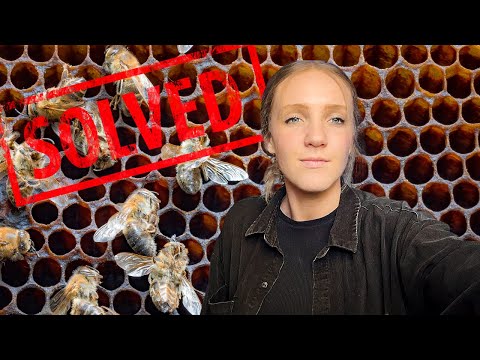
A bunch of things cause bees to decline in gardens, hitting honeybees, bumblebees, and solitary bees all the same. Harmful chemicals, not enough food or shelter, diseases, and crazy weather all play a part.
When you get what’s going on, you can actually help protect your bees and keep your garden healthier.
The Impact of Pesticides on Bees
Pesticides kill a lot of bees in gardens. Chemicals like neonicotinoids mess with bees’ nervous systems, and even tiny amounts can hurt their ability to forage, find their way home, or reproduce.
If bees land on treated plants or collect contaminated pollen, they get weak or die. Pesticides don’t just kill a few bees—they can damage whole colonies over time.
When you use fewer or no pesticides and pick bee-friendly pest control, you keep your pollinators safer.
You’ll probably notice pesticide harm if bees act weird or you find dead ones near treated plants. Just being careful with chemicals can really help your garden’s bees.
Effect of Habitat Loss and Fragmentation
Bees need safe spots to live and plenty of flowers to eat from. Habitat loss happens when gardens get smaller or less diverse, or when wild areas disappear.
When habitats get broken up, bees have to travel farther for food. This tires them out and lowers their odds of making it.
Losing native plants and flower variety means less nutrition, which weakens bees.
Try planting a mix of flowers that bloom at different times. Skip big patches of turf or concrete when you can. That way, bees have food and shelter in your garden all season.
Diseases and Parasites Affecting Bee Populations
Diseases and parasites hit a lot of bees hard. The varroa mite is a huge problem—it attacks honeybees and spreads viruses, making bees weaker and less able to fight off other issues.
Other threats include tracheal mites and diseases like American foulbrood and nosema. Nosema messes with digestion and energy, often leading to early death.
These infections spread fast inside hives and can wipe out whole colonies.
Keep your garden hive clean and check for signs of disease to help protect bees. Try not to move hives between gardens unless you’re careful, since that can spread parasites.
Climate Change and Extreme Weather Patterns
Weather is getting weirder, and that’s making things tough for bees. Warmer or unpredictable seasons throw off bees that rely on flower timing.
If flowers bloom too early or too late, bees might miss out on food.
Extreme weather—droughts, heavy rain—wrecks habitats and cuts down on flowers. Cold snaps in spring can kill young bees, and hot weather dries up pollen and nectar.
These problems make it tougher for bees to survive and reproduce.
You can plant drought-resistant flowers and set out water sources to help bees handle the changing climate and keep your garden lively.
Want more info? Check out Why Are Bees Dying In My Garden?.
How to Support Bees and Prevent Further Decline

You can actually make a difference for bees by creating a space that fits their needs. Focus on plants that offer food, give them safe spots for nesting, and avoid harmful chemicals.
Building a Bee-Friendly Garden
Start by planting flowers that give bees lots of pollen and nectar. Sunflowers, lavender, and roses are always winners.
Mix up the flower shapes and bloom times so bees have food all year.
Add a bee hotel for solitary bees to rest and raise their young. Try not to disturb bare soil or old wood, since bees might be nesting there.
The more variety you have, the more types of bees you’ll support—and honestly, it just makes your garden more interesting.
Importance of Native Plants and Flowers
Native plants work best for attracting and feeding bees because they’ve evolved together. These plants give local bees exactly what they need.
Plant wildflowers native to your area or look for species recommended by local beekeepers.
Native plants help protect your local ecosystem. They need less water and fewer chemicals, which makes your garden easier to care for.
Adding native species supports not just bees, but other pollinators and wildlife too. That helps keep your local ecosystem strong and healthy.
Organic Gardening and Reducing Pesticide Use
Try switching to organic gardening practices if you want to keep bees safe. Skip the pesticides and herbicides—they can really harm bees or mess with their immune systems.
Go for natural pest controls instead. You might handpick bugs or try companion planting. Honestly, it takes a bit more effort, but it feels better knowing you’re not hurting pollinators.
Grow your fruits, veggies, and flowers without chemicals. It’s not just better for bees; your soil and plants benefit, too.
When you use organic compost and mulches, your garden gets healthier and you’ll notice more helpful insects showing up. Pollinators love it.
Supporting bees this way feels good, and it’s a step toward sustainable beekeeping. Healthy hives and good honey production? That’s a win.
For more tips, check out ways to protect your garden’s bees and create lasting bee habitats.


