
Ever wondered how to spot the queen bee in a buzzing hive? You’re definitely not alone.
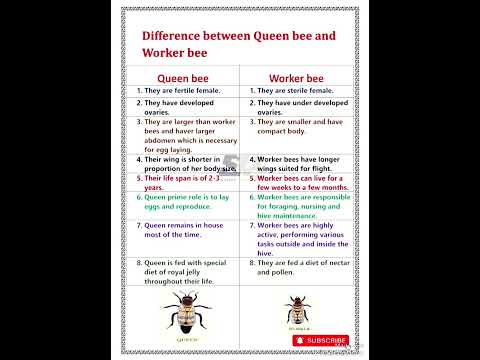
The queen looks different from the rest, but honestly, you need a sharp eye to catch those details. She’s bigger, her abdomen is longer and ends in a point, and her wings are actually shorter than those of worker bees.

You’ll notice the queen moves in a unique way. She’s usually surrounded by worker bees fussing over her.
If you’re curious about how a hive works or thinking about keeping bees, being able to spot your queen really helps.
Once you know what to look for, picking out the queen among all those bees doesn’t feel so impossible. Let’s go over the main traits and behaviors that make her stand out.
Key Differences Between Queen Bees and Regular Bees

You can spot queen bees by paying attention to their size, behavior, and what they actually do in the hive.
They have certain features that set them apart from worker bees and drones. Notice how they move, where they hang out, and their role in the colony—these are all clues.
Physical Appearance and Size
Queen bees just look bigger. Their bodies stretch out longer and are more narrow, especially at the abdomen, which comes to a point.
That shape actually helps her lay eggs. Worker bees, on the other hand, are smaller and rounder, with shorter abdomens and longer wings.
The queen’s legs look longer, but her wings don’t reach as far down her body as a worker’s do. You’ll usually see a darker back and a yellowish-brown underside on the queen.
Drones, those chunky male bees, look bulkier but don’t have that sharp, pointed abdomen.
These size and shape differences really help when you’re trying to find her among hundreds of busy bees.
Behavioral Traits and Movement
Queen bees walk around the hive with a kind of slow confidence. Unlike worker bees, who zip in and out collecting stuff, the queen mostly strolls inside the hive.
You’ll often see worker bees (sometimes called guard bees) sticking close to her, almost like a royal entourage.
She rarely leaves the hive except for a few mating flights early on. Worker bees, meanwhile, are always coming and going.
Drones tend to move awkwardly and don’t actually do much work, just focusing on mating.
If you watch closely, you’ll notice the queen’s steady, controlled movements stand out against the frantic pace of the workers.
Reproductive Roles and Egg-Laying
The queen has one big job: lay fertilized eggs. She keeps the colony growing by laying thousands of eggs each day.
She’s got a special organ for it and can even choose whether an egg becomes a worker or a drone.
Worker bees don’t lay eggs—they take care of the larvae and keep the hive running. Drones never lay eggs; they’re only there to mate with queens from other colonies.
Her egg-laying ability is what keeps the hive alive. No one else in the hive does this.
Presence in the Hive
A healthy hive has just one queen. There can be thousands of worker bees and a few hundred drones, but only one queen.
She usually stays in the brood area, where the young bees are raised.
Guard bees stick close to her, keeping her safe. Workers feed her and keep her space clean.
She’s the heart of the colony, and her presence keeps everything organized. If you spot a bee always surrounded by others and not leaving the hive, you’ve probably found the queen.
Want more details? Here’s a helpful guide on how to tell the difference between a queen bee and a regular bee.
Colony Structure and Development
In a bee colony, every bee has a job. The queen starts life in a special cell.
Worker and drone bees have their own roles, each one helping the hive stay healthy and grow.
Understanding Queen Cells
Queen cells look bigger than normal honeycomb cells. They hang down vertically and kind of look like peanut shells.
These are the places where new queens develop.
You’ll notice queen cells are much larger and there aren’t many of them compared to the thousands of worker cells.
Inside, a larva grows into a queen bee. The hive only builds queen cells when it needs a new queen—maybe to replace an old one or when starting a new colony.
Queen cells hold the hive’s future leaders. Worker bees treat these special cells with extra care.
If you get a chance to visit an apiary, watching these queen cells can tell you a lot about what’s going on in the colony.
Role of Royal Jelly in Queen Development
Royal jelly is a special food that only future queens get. Young worker bees produce this rich secretion.
It’s loaded with nutrients that push the larva to develop into a queen.
While worker bee larvae get royal jelly for just a few days, queen larvae eat it all the time. This makes their bodies grow bigger, especially the abdomen, so the queen can lay thousands of eggs later on.
Royal jelly also affects the queen’s behavior through chemical signals called pheromones. These pheromones help keep the hive organized by guiding what the other bees do.
Without royal jelly, you just can’t raise a new queen.
Worker Bees and Drone Bees Functions
Worker bees, always female, handle the tough jobs around your hive. They build and fix honeycomb.
They collect nectar and pollen. You’ll also see them cleaning the hive and taking care of the larvae.
If something threatens the colony, worker bees step in to protect it.
Drones, on the other hand, are the male bees. Their main job? Mating with queens from other colonies.
They don’t gather food or help with hive chores. Honestly, drones only leave the hive for those mating flights.
Worker bees really keep the colony running, while drones focus on helping new queens start fresh colonies elsewhere. If you know what each bee does, the hive’s busy life starts to make a lot more sense.


