
When a bee stings you, it injects venom right under your skin. That venom brings pain, swelling, and redness almost instantly.
Bee venom kicks your immune system into gear, causing local inflammation and sometimes a good deal of pain. But in controlled settings, people actually use it to help with things like pain, allergies, and even some skin issues.
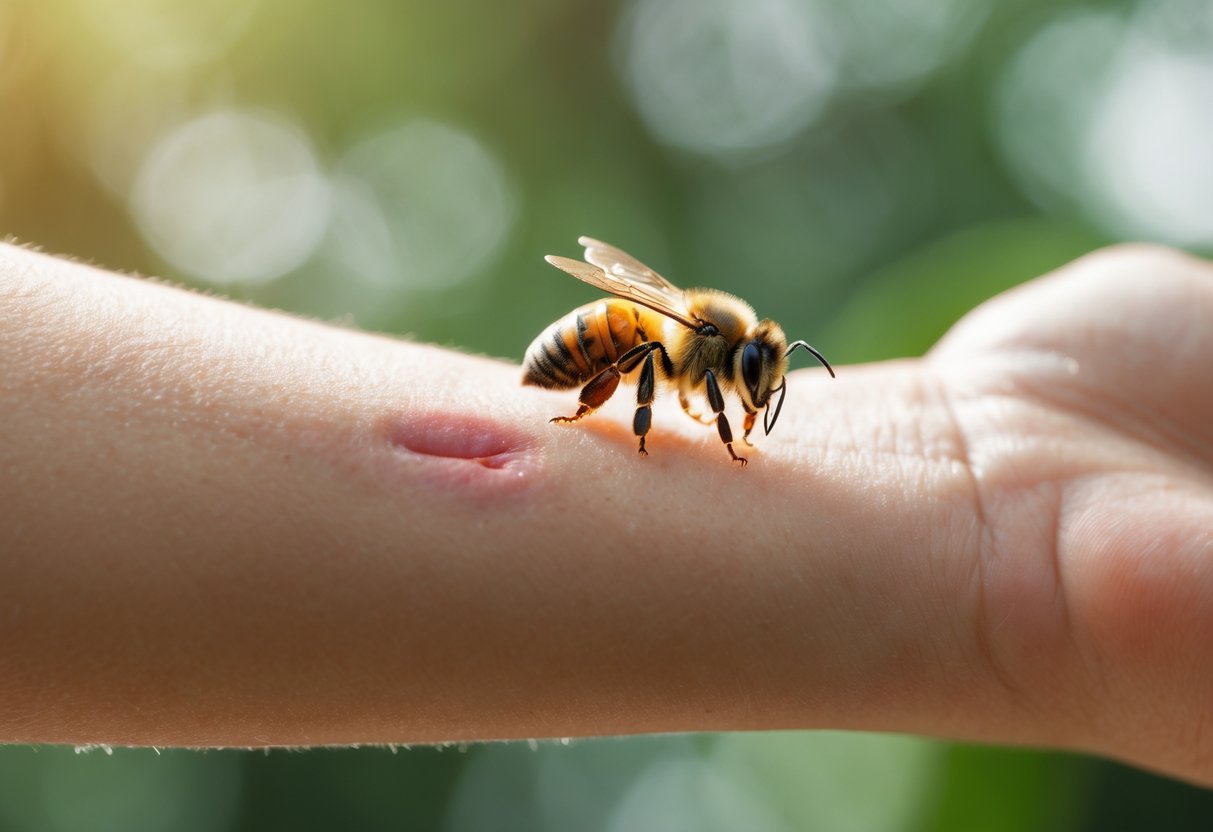
Maybe you’ve heard about bee venom therapy? It involves introducing tiny amounts of venom to your body, hoping to build tolerance or lower inflammation.
While most bee stings just hurt and annoy you, some folks swear by bee venom for easing chronic pain or stubborn skin problems.
Knowing what bee venom actually does inside your body can help you decide if treatments like bee venom therapy are worth considering. Or maybe you just want to understand how your body naturally handles bee stings.
How Bee Venom Interacts with the Human Body

Bee venom packs several active substances that hit your body in different ways. When a bee stings you, these compounds spark both quick reactions and longer-lasting immune responses.
Some of these effects can help, but others might hurt or trigger allergies.
Key Components and Their Biological Effects
Bee venom isn’t just one thing—it’s a mix of chemicals. The main player is melittin, making up nearly half the venom.
Melittin breaks down cell membranes, which causes pain and swelling right where you’re stung.
Another big one is phospholipase A2. This enzyme damages cells and sets off your immune system.
It teams up with hyaluronidase, which helps the venom spread deeper into your tissues.
Apamin acts as a neurotoxin and messes with your nerves, so you might feel tingling or extra pain.
Adolapin sometimes helps with pain but can also add to swelling. Together, these compounds create the classic sting symptoms and drive your body’s reaction to bee venom.
Immediate Physical and Immune Reactions
Your skin reacts fast when a honeybee stings you. Melittin and other chemicals cause pain, redness, and swelling almost right away.
That’s inflammation at work—your body’s way of trying to heal the damage.
Your immune system also jumps in, sending cells to defend against what it thinks is an invader.
This response can make the area even more swollen and warm. In some therapies, people use bee venom carefully to manage pain and inflammation by controlling this immune reaction.
Allergic Responses and Potential Risks
Some people react much more strongly to bee venom. If you’re allergic, your immune system goes into overdrive, releasing chemicals that can cause hives, swelling far from the sting, or even breathing trouble.
A severe allergic reaction, called anaphylaxis, can quickly become a medical emergency.
Bee venom can also interact badly with certain medications, especially blood thinners, raising your risk.
If you have allergies or use immune-suppressing drugs, talk to your doctor before any bee venom exposure.
Even if you’re not allergic, bee venom isn’t risk-free. Its toxicity and effects on your immune system mean you need to be careful.
For more detail about bee venom therapy and safety, you can check out how bee venom interacts with medications.
Health Effects and Therapeutic Uses of Bee Venom

Bee venom has some surprising health effects. People use it to reduce inflammation, ease pain, improve skin, and sometimes even help with neurological or autoimmune issues.
You’ll find bee venom in treatments like bee venom injections or apitherapy. Researchers have looked into its possible medical benefits.
Anti-Inflammatory and Pain Relief Benefits
Bee venom’s anti-inflammatory powers can help with swelling and pain. Melittin blocks chemicals that cause inflammation, which is why people use bee venom therapy for arthritis or rheumatoid arthritis.
It can ease joint pain and stiffness.
Beyond arthritis, some people get bee venom injections for chronic pain conditions like fibromyalgia.
You might notice bee venom also helps by calming your immune system and reducing inflammation.
Venom immunotherapy can treat inflammation from allergies, but it’s risky and needs careful supervision because of the allergy danger.
Applications in Skin Health and Cosmetic Treatments
Bee venom isn’t just about pain relief—it can help your skin, too. Its anti-inflammatory and antibacterial properties help wounds heal faster and reduce irritation.
That’s one reason you’ll see bee venom in some cosmetic products.
Creams with bee venom promise to cut down on wrinkles and signs of aging by boosting blood flow and encouraging collagen production.
Its antioxidants help protect your skin from free radical damage.
Some natural skincare products add propolis with bee venom to speed up healing and support your immune system.
Therapeutic Potential for Neurological and Autoimmune Conditions
Researchers are looking into bee venom to see if it can help with neurological diseases like Parkinson’s disease and multiple sclerosis.
Some studies suggest it supports motor function and may cut down inflammation in the nervous system.
If you have an autoimmune disease—say, rheumatoid arthritis or asthma—bee venom might help regulate your immune system and ease some symptoms.
Its immune-modulating effects can calm an overactive immune response, though it’s not a cure-all.
Scientists are also digging into bee venom’s antiviral and anticancer effects, but honestly, there’s just not enough solid proof yet for these to become mainstream treatments.
If you want to dive deeper, check out more about bee venom therapy and its benefits.


