
Ever wondered if a dead bee can still sting you? You’re definitely not the only one. The truth might surprise you, and it’s actually pretty important for anyone who spends time outdoors or near bees.
A dead bee can still sting you, but only if its stinger and venom sac are still intact and active. This usually only lasts a short while after the bee dies.
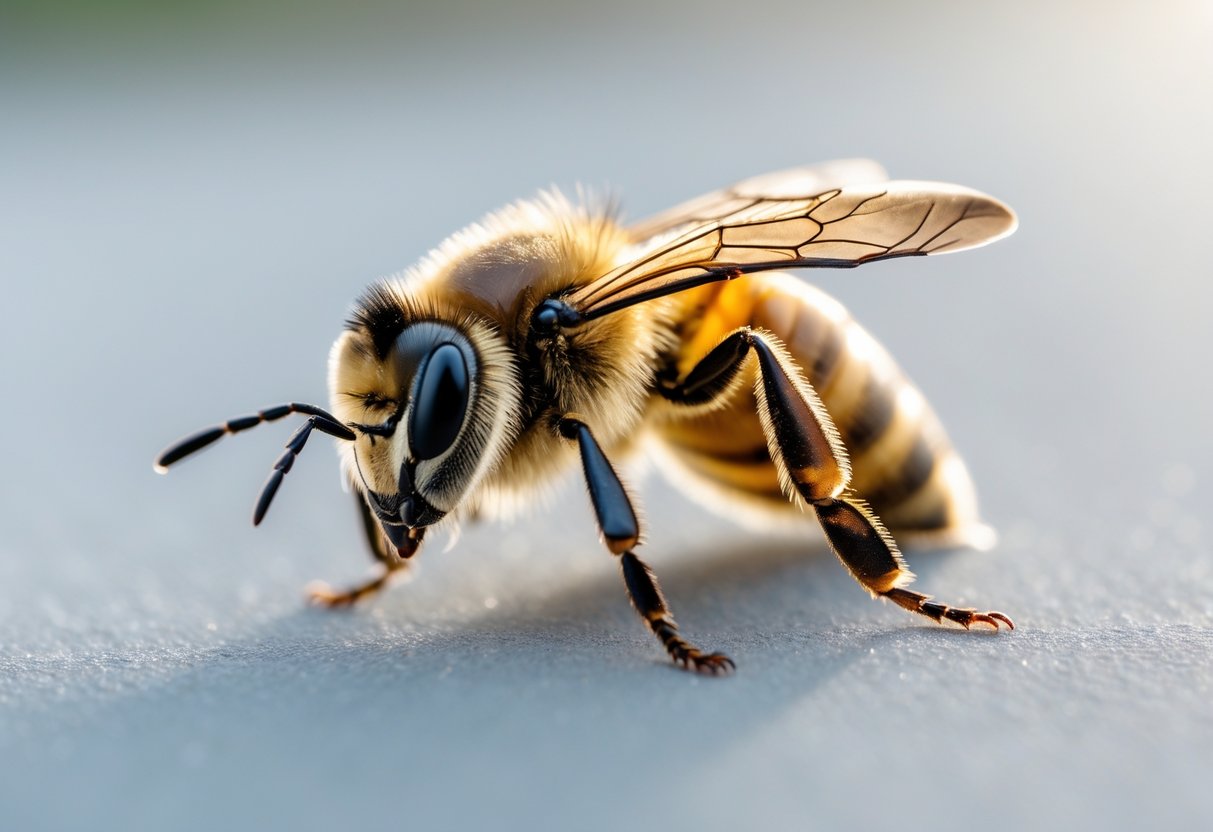
When a bee stings, it leaves its stinger and venom sac in your skin. Even after the bee dies, those parts might still inject venom if you press them just right.
So, if you step on or touch a dead bee, you could still get stung. It’s a weird thought, but knowing this helps you stay cautious and avoid some unnecessary pain.
Understanding how long a dead bee can sting helps you stay safe without getting too anxious about it. Let’s break down how long this can actually happen and what you can do if you spot a dead bee nearby.
You’ll see what really goes on after a bee dies and how you can dodge a sting in those odd situations.
How Long After a Bee Dies Can It Still Sting You?
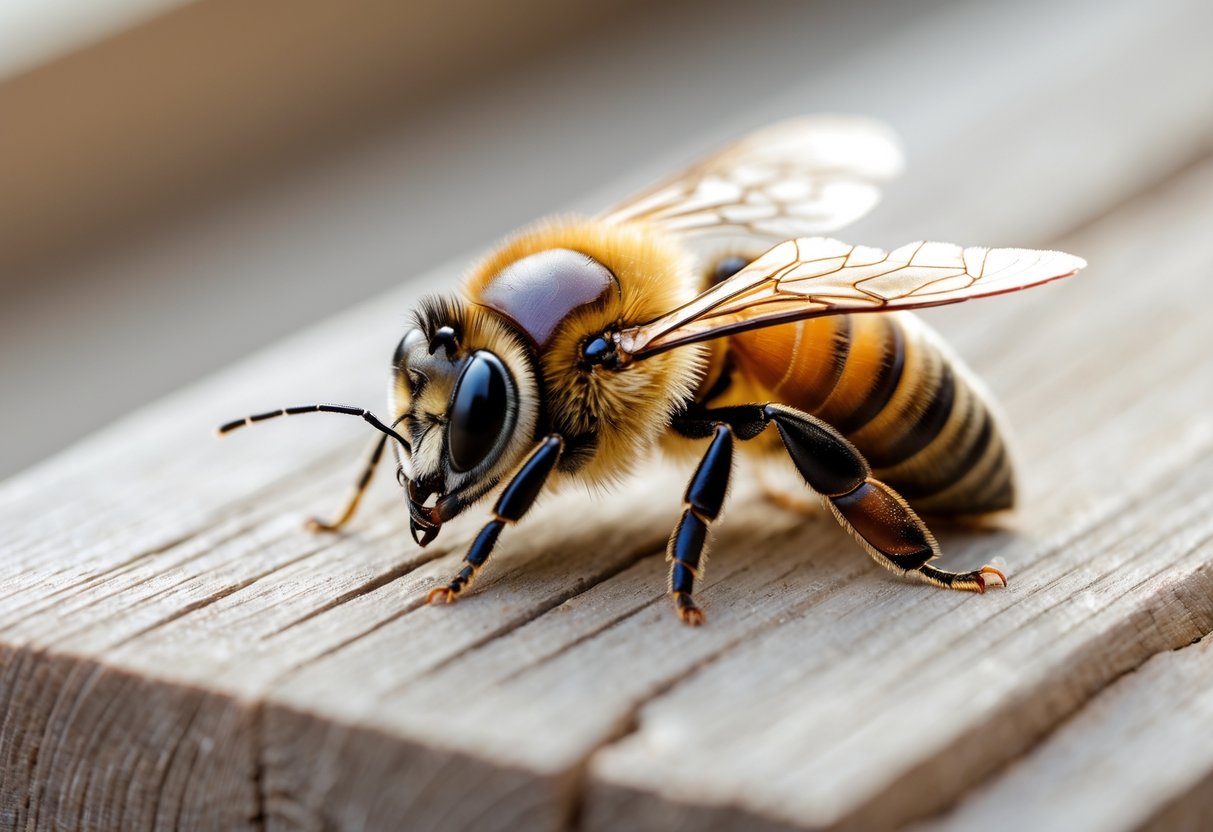
A bee’s stinger can still hurt you even after the bee has died. The venom hangs around in the stinger’s venom sac for a bit.
If you know how the stinger works and how long the venom stays active, you can avoid surprise stings from dead bees.
How a Bee Stinger Works
The stinger of a female honey bee was made to pierce skin and protect the hive. Tiny barbs anchor the stinger into your skin when the bee stings.
The bee can’t pull the stinger back out. When it tries to fly away, the stinger stays behind, ripping away part of its abdomen.
The stinger connects to venom sacs. Even if the bee dies, this part might keep pumping venom into your skin for a short time.
That’s why a dead bee can still sting you if you touch or step on it.
Duration of Venom Activity in Dead Bees
After the bee dies, its stinger can still inject venom from the venom sac. The venom stays active until the venom sac dries out.
Usually, the venom can stay dangerous for about a day after the bee dies.
So, it’s smart to avoid touching dead bees, especially if the stinger is still attached. The venom sac needs moisture to work, and once it dries up, the sting risk drops off.
Key Differences Between Living and Dead Bee Stings
A living female honey bee can choose when and where to sting. It injects venom by flexing muscles around the venom sac.
Once the bee dies, it loses control over the stinger, but the stinger can still pump venom on its own for a short while.
With a dead bee, the sting only happens by accident. The venom sac works automatically until it dries up.
Unlike wasps, honey bees only sting once because their barbed stinger gets stuck, which kills the bee soon after.
| Point | Living Bee Sting | Dead Bee Sting |
|---|---|---|
| Venom injection | Controlled and active | Passive, until venom sac dries |
| Stinger removal | Stinger stays in skin; bee dies | Stinger may still sting if touched |
| Risk time | Immediate | Up to about 24 hours |
If you spot a dead bee, just give it some space to avoid surprise stings.
For more details, check out how a bee’s stinger works and how venom stays active after death on irescuebees.com.
Safe Handling and What to Do if Stung by a Dead Bee
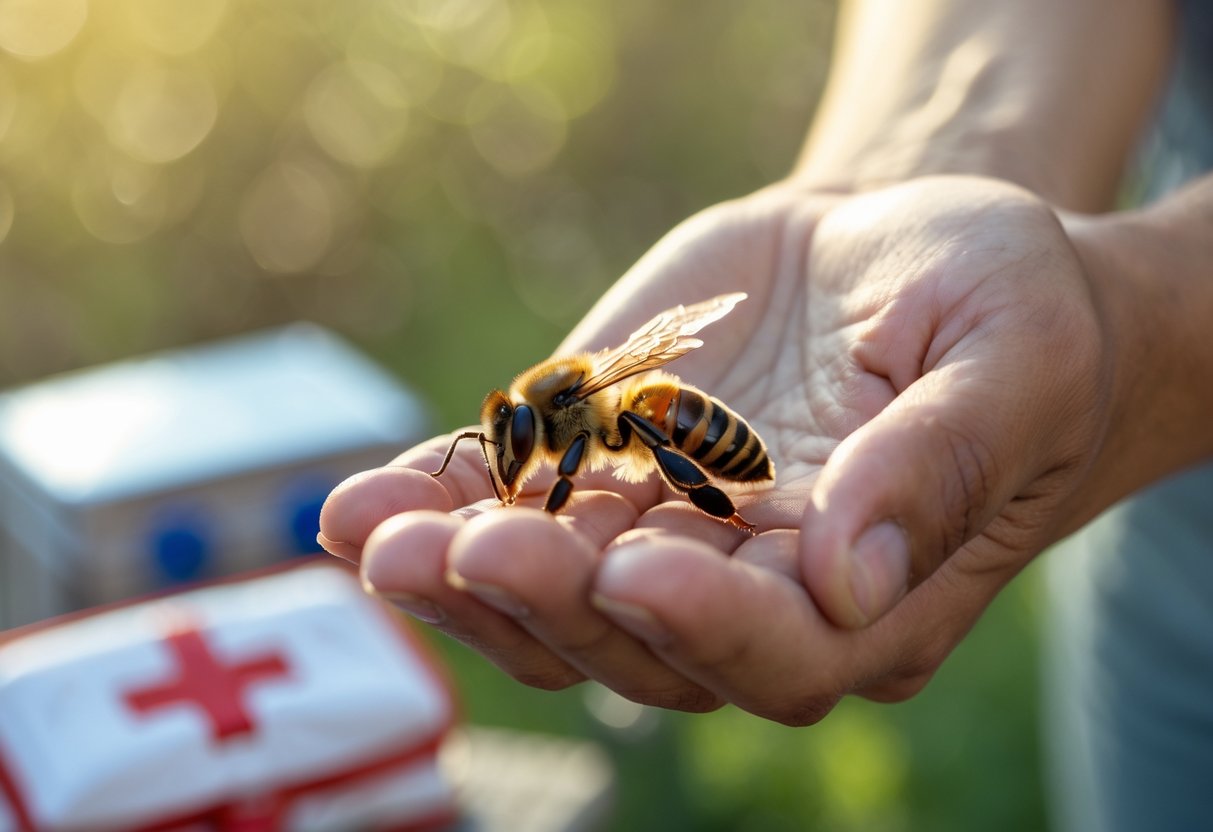
Always be careful with dead bees because their stingers can still hurt or cause allergic reactions. If you know how to safely remove the stinger and why it stays risky, you can avoid more trouble after a dead bee sting.
Precautions Around Dead Bees
Dead bees can still sting if you press or squeeze them, so don’t handle them with bare hands. If you have to move a dead bee, grab some gloves or use tweezers to keep the stinger away from your skin.
If you’re allergic to bee stings, be extra careful. Even a sting from a dead bee can set off a serious allergic reaction.
Keep areas clear of dead bees, especially where kids or pets play. That way, you lower the chances of accidental stings.
Proper Stinger Removal Techniques
If a dead bee stings you, check right away for a stinger left in your skin. Get it out as soon as possible to cut down on pain and stop the venom from spreading.
Use a blunt edge like a credit card to scrape the stinger out. Try not to use tweezers or your fingers, since squeezing can push more venom in.
Once you’ve removed the stinger, wash the area with soap and water. You can use a cold pack to help with swelling and take an over-the-counter pain reliever if you need it.
Why the Stinger Can Still Cause Harm
A honey bee’s stinger has barbs, so it often gets stuck in your skin after the bee dies.
That stinger connects to a venom sac, which might still squirt venom if you squeeze it.
Even though the bee’s gone, the venom sac can stay active for hours—especially if you press on a dead bee by accident or when sorting through them.
That’s why a sting from a dead bee can still hurt and cause swelling.
If you’re allergic, the venom from the stinger could trigger a more serious reaction. It’s probably best to handle dead bees with extra care, just in case.
For more details, check out the article on how long after a bee dies it can still sting.


