
Itchy bug bites happen all the time, and usually, they’re nothing to stress about. Most bites just cause some redness, a bit of swelling, or itchiness that fades away after a few days.
Still, it’s important to know when an itchy bite might need more attention. Catching problems early can help you avoid infections or bigger issues.

You should worry about an itchy bite if you see spreading redness, swelling, pain, fever, or if the bite starts to ooze pus. Other warning signs are hives, nausea, or numbness near the bite.
These symptoms could mean an infection or an allergic reaction that needs a doctor. Sometimes, itchy bites show up with weird symptoms like blisters or changes in your skin color.
It’s smart to know what to watch for, especially if you spend time outdoors in the summer. If you want more details, check out this guide on when to see a doctor about a bug bite.
Signs Your Itchy Bite Could Be Serious

If your itchy bite gets worse or develops strange symptoms, it’s probably more than just a typical bug bite. Watch how the swelling changes, and look out for infection or allergic reactions that show up quickly.
Some bites from ticks or spiders can turn into bigger health problems if you don’t catch them early.
Unusual or Persistent Swelling
Swelling happens with most bites, but if you spot a swollen lump that keeps getting bigger or doesn’t get better after a few days, you should pay attention. Notice if the swelling spreads far from the bite or feels hard.
Swelling near your lymph nodes, like in your neck or armpits, can mean your body is fighting an infection. Sometimes, swelling comes with redness or warmth, which often means infection.
Try to keep the area clean. If the swelling gets worse or you see pus, an ulcer, or pain that keeps increasing, see a healthcare provider.
These can be signs of a skin infection or even lymphangitis, which is inflammation moving through your lymph vessels.
Rapid-Onset Allergic Reaction Symptoms
Some bites trigger allergic reactions pretty fast. If you get hives, intense itching all over, swelling in your face or throat, or trouble breathing, get emergency help.
Severe allergic reactions (anaphylaxis) need an epinephrine shot right away. Chest pain, dizziness, or feeling faint are also red flags.
Even if you only have swelling around your eyes or lips, plus nausea or vomiting, call a doctor. Bad allergic reactions can get worse quickly and need a pro to handle them.
Warning Signs of Infection
Infected bug bites usually look extra red, swollen, and feel warm. You might see oozing, crusting, or even a bad smell coming from the bite.
If pain keeps getting worse over a few days, that’s a sign something’s up. Fever and chills, along with these symptoms, show your body is fighting an infection.
Sometimes you’ll see red streaks moving away from the bite—this means the infection is spreading through your lymph vessels. If you notice sores or abscesses at the site, or if the pain is sharp and gets worse, talk to a healthcare provider.
Red Flags for Tick or Spider Bites
Ticks and some spiders, like black widows, can cause serious trouble. After a tick bite, watch for a red bull’s-eye rash or flu-like symptoms—fever, chills, headache, or muscle pain.
These could mean Lyme disease or another tick-borne illness. Spider bites can get dangerous if you see severe pain, swelling, bruising, or skin ulcers.
Black widow venom can cause belly pain, nausea, vomiting, or muscle cramps. If you get any of these symptoms after a tick or spider bite, get medical care right away.
Catching it early can help you avoid much bigger problems, like arthritis or nerve issues.
What To Do Next and When To Seek Medical Help
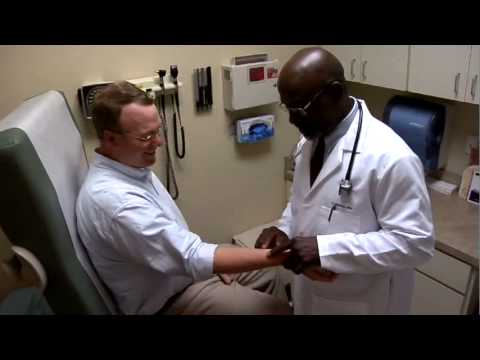
When you get an itchy bug bite, clean and treat the area as soon as you can. The right medicines can make you feel better fast.
It also helps to know when you should see a doctor, just in case things get weird.
First Aid Steps for Itchy Bites
Start by washing the bite with soap and water. This washes away dirt and germs, lowering the risk of infection.
Put a cold pack or ice wrapped in a cloth on the bite for about 10 minutes to help with swelling. Try not to scratch, even though it’s tempting.
Keep your nails short and clean, so you don’t make things worse. If the bite feels really painful or looks extra red and swollen, clean it again and keep an eye out for infection.
Medications and Symptom Relief
To stop the itch, you can use over-the-counter antihistamines like Benadryl or a cream with hydrocortisone. These calm your skin and help with allergic reactions.
If the bite hurts, painkillers like acetaminophen or ibuprofen can help. Sometimes, if the skin gets infected, you’ll need antibiotics.
Don’t use antibiotics unless your doctor says so. Always follow directions with any medicine, and if you notice any weird side effects, stop and get help.
Knowing When Professional Care Is Needed
Call your doctor if you feel dizzy, confused, or start having trouble breathing after a bite. Those symptoms might mean you’re having a serious allergic reaction, like anaphylaxis.
If the bite area spreads redness, gets warmer, or starts draining pus, make an appointment with a doctor. Don’t ignore a fever, increasing pain, or an odd-looking rash.
For tick bites, keep an eye out for flu-like symptoms. If you can’t get the tick out completely, reach out for help.
Not sure what to do? A quick call to a health professional can ease your mind and maybe even save you a lot of trouble.


