
So, you’ve spotted a honey bee nest nearby and you’re probably wondering—do I need to get rid of it? Honestly, unless the nest is inside your home or puts people at risk, you usually don’t have to do anything.
Honey bees are gentle and actually help your garden, so if they’re tucked out of the way, it might be best to just leave them be.

But if the hive gets too big or sits right where people walk, you might need to take action. Removing a honey bee nest isn’t something to try on your own—call in a professional to protect yourself and the bees.
It’s all about keeping everyone safe, including these pretty important pollinators.
Should You Remove a Honey Bee Nest?
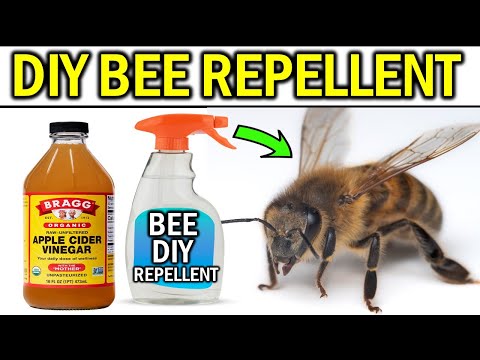
Deciding whether to remove a honey bee nest depends on a few things. Think about what kind of insect you’re dealing with, how big the hive is, where it’s located, and whether it’s causing trouble around your home.
Some hives don’t bother anyone, but sometimes you just can’t ignore them.
Identifying Honey Bees Versus Other Insects
First, let’s make sure you’re dealing with honey bees and not something else. Honey bees look fuzzy and have golden-brown and black stripes.
Yellow jackets, though, are smooth and bright yellow with black patterns.
Honey bees usually build rounded wax hives, which they sometimes hide in trees or even inside walls. Yellow jackets go for papery nests, often underground or tucked in wall spaces.
Spotting the difference matters. Yellow jackets act more aggressive and people usually want them gone fast.
Honey bees, on the other hand, usually keep to themselves and really help the environment.
When a Honey Bee Nest Becomes a Problem
If the nest keeps growing and starts to pose a danger, you’ll want to think about removing it. Hives near front doors, walkways, or other busy spots can increase the risk of stings.
If someone nearby has a bee sting allergy, that’s a big deal—removing the hive quickly is the safest move.
Bees nesting inside walls or attics can also mess with your home’s structure. In these cases, a professional can safely relocate the bees and avoid causing damage.
Potential Risks of Leaving a Nest Undisturbed
Sometimes, the best thing you can do is just leave a honey bee nest alone if it isn’t causing trouble. But, large nests can lead to problems like bad smells from dead bees or fermenting honey.
Old or abandoned nests attract pests and can mess up your home’s structure. Wax and leftover brood need removal, or you could have future pest issues.
If a hive blocks an exit or entrance, it’s just not safe to keep it around. As hives grow, the odds of getting stung go up, especially if the bees feel threatened.
For safe removal, contact a beekeeper or pest control expert. That way, you’ll look out for yourself and the bees.
You can check out more tips on bee nest removal.
How to Responsibly Handle Honey Bee Nest Removal

Taking out a honey bee nest isn’t just about getting rid of it. You have to think about safety, the bees’ well-being, and how to do it right.
Contacting a Beekeeper or Professional
Honestly, your best bet is to call a local beekeeper or a pest control pro. Beekeepers actually like rescuing honey bee swarms and know how to move them without harm.
Since honey bees are important pollinators, it’s great if you can let an expert handle the job gently.
Look for folks who specialize in honey bee removal. They have the gear and the know-how to move big hives and deal with tricky spots.
Letting a pro do it saves you a lot of stress and keeps everyone safe.
Safe Removal Methods and What to Expect
When professionals remove honey bee nests, they usually try to relocate the hive instead of destroying it. This way, the bees keep doing their thing for the environment.
They use protective suits, some smoke to calm the bees, and work carefully so they don’t disturb the swarm too much.
Most removals happen outside in the evening, when bees are less active. If the hive is huge, it might take a while and require special tools.
Afterward, pros check the area to make sure bees don’t come back.
Dangers of DIY Removal and Use of Pesticides
Trying to remove a honey bee nest on your own? That’s a risky move. Without the right gear, you’ll probably get stung, and for some people, that can trigger allergic reactions.
Messing with the nest too much just makes the bees mad. They’re not exactly forgiving when it comes to intruders.
People often reach for pesticides or sprays, but honestly, that’s a bad idea. Those chemicals hurt helpful honeybees and usually don’t get rid of the whole nest anyway.
Bees are clever—they’ll just find another way back, and suddenly you’ve got an even bigger headache. Plus, using chemicals can mess up other insects and the environment. Not really worth it, is it?
Don’t try blocking the hive entrances. Bees will just make new openings, so you won’t actually solve anything.
If you want to get rid of them safely and humanely, it’s smarter to call in the pros.
For more tips and safer approaches, check out Honey Bee Nest Removal: Safe Techniques.


