
Trying to spot a queen bee among all those buzzing workers? It can feel overwhelming at first, honestly. The queen bee is bigger, with a longer, more pointed abdomen and shorter wings than the worker bees. She moves a bit slower and usually hangs out near the center of the hive.

Look for these physical differences and pay attention to her unique behavior. She’s often surrounded by worker bees who fuss over her.
Once you figure out what sets her apart, finding the queen gets easier. It’s actually pretty fascinating to watch the hive’s social structure in action. If you want more details, check out how to identify a queen bee by size and shape at wikihow.com.
How to Identify a Queen Bee Versus a Regular Bee
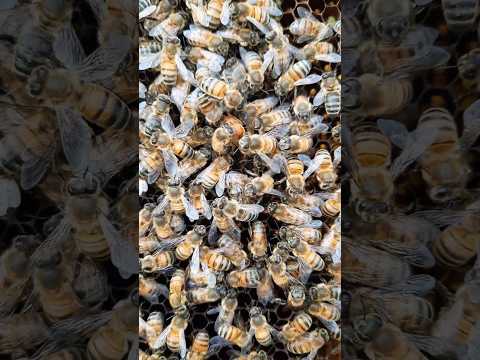
When you peek into a hive, the queen bee just stands out. You can spot her by her size, shape, and behavior.
Knowing these differences makes it much easier to find her during inspections. Sometimes it takes a bit of practice, but you’ll get there.
Key Physical Differences
The queen bee is noticeably larger than both worker and drone bees. She usually measures about 20 millimeters long.
Worker bees, on the other hand, are about 11 to 15 millimeters in length. The queen’s abdomen is longer and more tapered, often sticking out past her wings.
Her body looks smooth and shiny, unlike the fuzzy worker bees. Drones have larger, bulkier legs, but the queen’s legs are slimmer.
Her head is also less bulky than a drone’s. Once you know these features, picking her out becomes a lot less stressful.
Behavioral Clues
The queen is the only bee in the colony laying eggs. You’ll often see her surrounded by worker bees who take care of her.
She moves with purpose, not darting around like the others. Workers are busy collecting pollen and nectar, while the queen sticks to egg-laying and stays near the hive’s center.
You rarely see her fly unless it’s mating season. In a busy hive, a flying queen is almost unheard of.
Spotting the Queen in the Hive
When you inspect your hive, look for her in the cluster near the queen cells. Queen cells are those larger, peanut-shaped spots where new queens develop.
She usually stays near the center, with attendants close by. Use gentle hands to part the bees and watch for that long abdomen and smooth body.
If you inspect every 5 to 7 days, you’ll get used to her look and behavior. Over time, spotting her won’t feel like such a challenge.
For more tips, you might want to check out how to identify a queen bee or read up on the differences between queen and regular bees.
Bee Roles and Their Impact on the Colony

Every bee in a honey bee colony plays a specific role. Worker bees handle most of the chores, drones focus on mating, and special foods like royal jelly help with development.
These roles shape how the hive grows and stays healthy. It’s kind of amazing how organized they are, isn’t it?
Duties of Worker Bees
Worker bees, all female, do just about everything inside the hive. They clean cells, feed larvae, build and repair honeycomb, and guard the hive.
They also head out to collect nectar, pollen, and water. Inside, worker bees use strong jaws to shape wax and create space for honey and larvae.
They take turns caring for eggs and feeding them a mix of royal jelly and honey. These bees split their time between indoor and outdoor work, keeping the colony thriving.
Role of Drone Bees
Drone bees are males, and their job is pretty simple: mate with a queen from another colony. You won’t catch drones cleaning or gathering food since they don’t have stingers or the right tools.
They hang out near the hive entrance or fly off to meet queens during mating season. After mating, drones die.
The colony keeps a close eye on drone numbers, since too many can drain resources. Drones just focus on reproduction, letting the workers handle everything else.
Special Foods: Royal Jelly and Honeycomb
Royal jelly is this rich, milky stuff that only queen larvae get to eat. Worker bees actually make it using special glands in their heads.
This jelly helps certain larvae become queens instead of just ordinary workers. That’s what gives the queen her special abilities and, well, all that fertility.
Honeycomb does a lot more than you might think. It holds the honey that keeps the hive fed and also provides little cells for eggs and larvae to grow in.
If you peek inside an apiary, you’ll spot honeycomb forming the main structure of the hive. The way bees build the comb lets them store food efficiently and protect their young while the colony grows.


