
Ever spot a fuzzy bumblebee buzzing around your garden? It’s natural to wonder if they’re actually good neighbors. Bumblebees really are great to have around—they’re some of the best pollinators, helping fruits, veggies, and flowers grow stronger and healthier. They’ve got a knack for “buzz pollination,” a special trick that helps certain crops produce bigger yields.
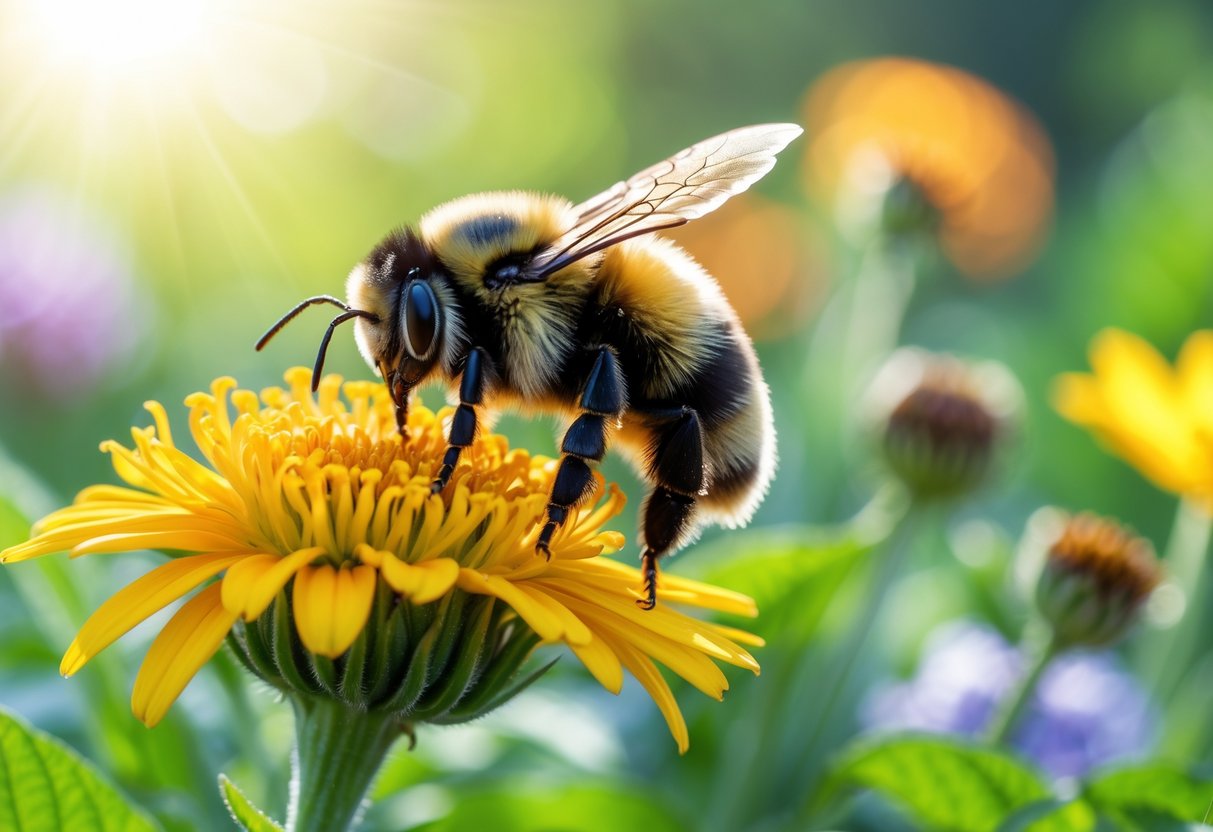
Worried about getting stung? Most folks are, but bumblebees tend to mind their own business and only sting if you really bother them. They can even get to work in cool or cloudy weather, so they’re out there pollinating when other bees take the day off.
If you know a bit about how bumblebees live, you might start to appreciate why they’re such a helpful presence in your yard.
Want to attract these gentle insects and give your plants a boost? Understanding their habits and benefits is definitely worth it. They play a key role in nature that helps both your garden and the environment thrive. If you’re curious, here’s more on why they’re a super charged pollinator.
Why Bumblebees Are Essential to Gardens and Ecosystems

Bumblebees move pollen in ways that other bees can’t. They help plants grow, improve fruit and flower quality, and support all kinds of plants.
When you compare them to other bees, bumblebees stand out for their unique strengths. They’re pretty important for your garden and the environment.
Unique Pollination Methods and Efficiency
Bumblebees use something called buzz pollination. They vibrate their flight muscles to shake pollen loose from flowers—super effective for tomatoes, peppers, and blueberries.
This technique means plants get more pollen, leading to more fruit and seeds.
Thanks to their bigger bodies and longer tongues, bumblebees can reach flowers that honeybees and butterflies can’t. They’ll also keep working in cooler, cloudier weather when other pollinators stay home.
Your garden gets pollinated even on those less-than-perfect days.
Biodiversity and Crop Quality Benefits
When bumblebees visit flowers, they boost cross-pollination. That increases genetic diversity, which helps plants resist diseases and stay strong.
More pollination from bumblebees leads to better fruit—think size, shape, and taste. You’ll really notice this with tomatoes, pumpkins, and berries.
They also support flowering plants that give shelter and food to other wildlife. That’s a win for a balanced ecosystem.
Comparing Bumblebees to Other Bee Species
Bumblebees differ from honeybees in several ways. Honeybees build huge colonies and make lots of honey, but bumblebees live in smaller nests and don’t make much honey at all.
Their bigger bodies let them carry more pollen and visit more flowers in one trip.
Butterflies mostly sip nectar and aren’t great pollinators, but bumblebees actively move pollen between flowers. That makes them some of the best pollinators you could hope for.
Understanding these differences helps you see why bumblebees are worth supporting in your garden. For more info on how bumblebees help gardens and ecosystems, check out Bumble Bees Are Crucial Pollinators for Our Ecosystems.
Creating a Bee-Friendly Environment and Supporting Bumblebees

You can help bumblebees by planting the right flowers and using smart gardening habits. Skip the harsh chemicals and protect their homes.
These steps support healthy bumblebee populations and make your garden more lively.
Best Plants and Flowers to Attract Bumblebees
Pick a mix of bee-friendly plants that bloom at different times. That way, bumblebees find food all season long.
Try lavender, bee balm, foxglove, clover, poppies, and native wildflowers—all solid choices.
Fruits and veggies like tomatoes, peppers, strawberries, blueberries, melons, and sunflowers will also bring bumblebees to your yard.
Native plants matter because local bumblebees rely on them for nectar and pollen.
Planting flowers in clusters (instead of one here and there) makes it easier for bumblebees to find food. Avoid hybrids that don’t offer much nectar or pollen.
Gardening Practices for Bumblebee Health
Build a bee-friendly garden by skipping pesticides, insecticides, and especially neonicotinoids. Those chemicals really harm bumblebees.
Go for organic or natural pest control instead.
Leave some parts of your garden undisturbed—bare soil or grassy patches give bumblebees places to nest and rest.
Planting a mix of flowers, shrubs, and trees supports bumblebees at every stage of life.
If you’re feeling ambitious, you could even try beekeeping to help conserve bee habitat right at home.
Threats to Bumblebee Populations and Conservation Tips
Bumblebees deal with a lot these days—pesticides, habitat loss, and climate change top the list. When people use harmful chemicals, bumblebee colonies get weaker, and their food sources start to disappear.
Losing native wildflowers and open spaces makes life even tougher for them. If you restore native plants in your garden, you’ll actually give them a safer place to live.
If you want to help bumblebees, try planting a mix of flowers, skip the chemical sprays, and maybe talk to friends or neighbors about why bees matter. Some folks join local conservation groups or support policies that protect pollinator habitats—it’s another way to make a real difference.
Your own garden could turn into a little haven for bumblebees. It’s a small step, but it helps protect these amazing pollinators for the future.
Curious about how to make your space friendlier for bumblebees? Check out this guide to support bumblebees.


