
If a queen bee stings you, you’ll probably feel pain, swelling, and redness at the sting spot—pretty much like a regular bee sting. Still, it’s rare for queen bees to sting humans at all.
Queen bees usually use their stingers against other queen bees, not people. So, honestly, you don’t need to stress too much about crossing paths with one.
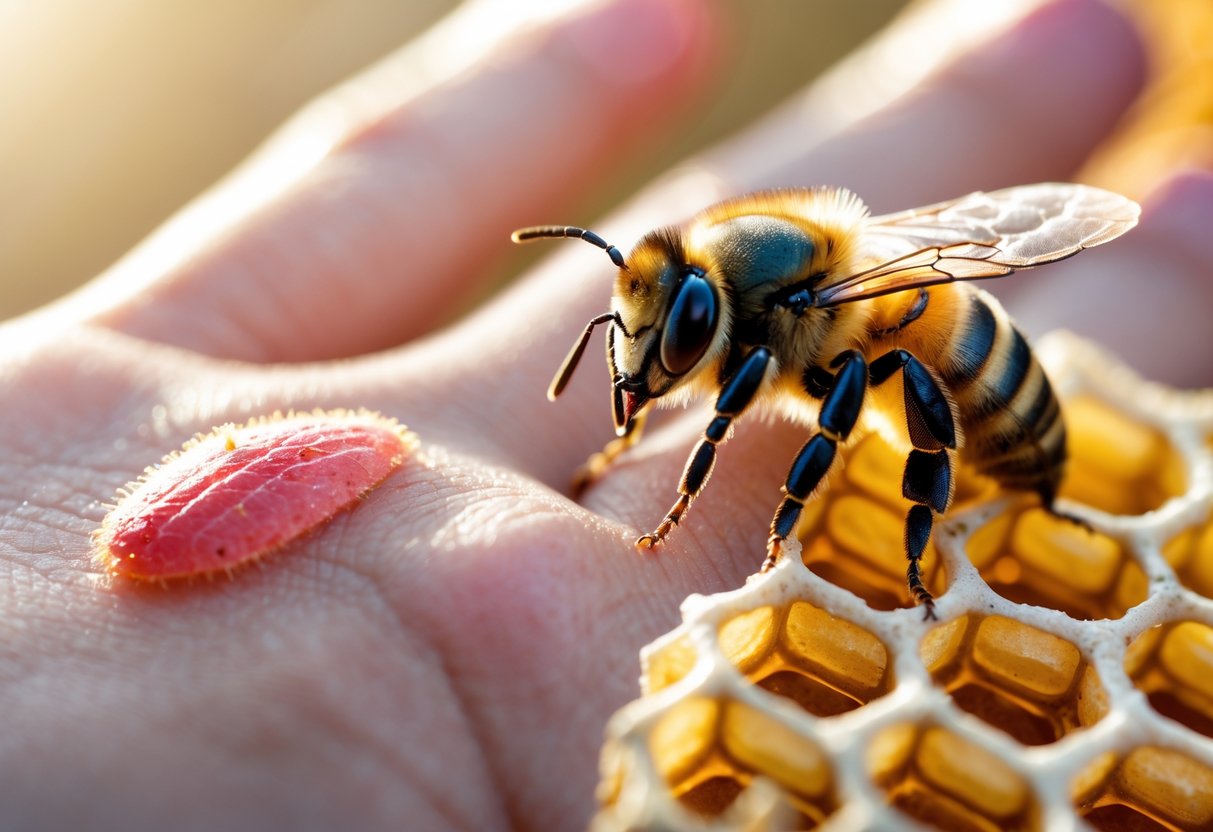
Queen bees carry more venom than worker bees, so their sting can hurt more, especially if you’re allergic. It’s smart to watch out for allergic reactions since severe ones need fast medical attention.
If you know what to expect from a queen bee sting, it’s easier to stay calm and deal with it. These facts might help you feel safer and less anxious around bees in general. For more info, check out what happens if a queen bee stings you at irescuebees.com.
What Happens If a Queen Bee Stings You?

Queen bees rarely sting people, so getting stung by one is pretty unusual. If it does happen, though, it feels different from a worker bee sting.
You’ll probably notice the pain and symptoms are stronger. That’s mostly because queen bees have more venom.
Queen Bee Sting Versus Worker Bee Sting
Queen bees pack more venom in their stingers than worker bees, so their stings can feel nastier. Their stingers are less barbed, though, so they don’t usually get stuck in your skin.
That means a queen bee can sting more than once if she wants. Worker bees, on the other hand, sting once and then die.
Worker bee stings often cause sharp pain, and the stinger stays in your skin, leaking venom for a while. With a queen bee, the sting might be quicker but more intense because of the extra venom.
Still, queen bees prefer to sting rival queens. You almost never get stung by one as a human.
Symptoms of a Queen Bee Sting
If a queen bee stings you, expect sharp pain, redness, and swelling right where you got stung. The venom triggers inflammation and makes your body release histamine, so you might itch or swell.
The pain usually fades after a few hours, but it can last up to a day. Everyone reacts differently.
If you’re allergic to bee venom, watch for trouble breathing, dizziness, or swelling that spreads. Those are red flags—get medical help right away.
Potential for Multiple Stings
Queen bees don’t lose their stingers after stinging, so they can sting you more than once if they’re really upset. Multiple stings mean more venom, which ups the pain and swelling.
If you ever find yourself getting stung more than once, try to move away calmly. Don’t swat or panic, since that can make things worse.
Keep an eye on the sting spots and look for any signs of a bad reaction, especially if you know you’re sensitive to bee venom.
For more details on queen bee stings, you can check what experts say about what happens if a queen bee stings you.
Risks, Reactions, and Other Bee Stings
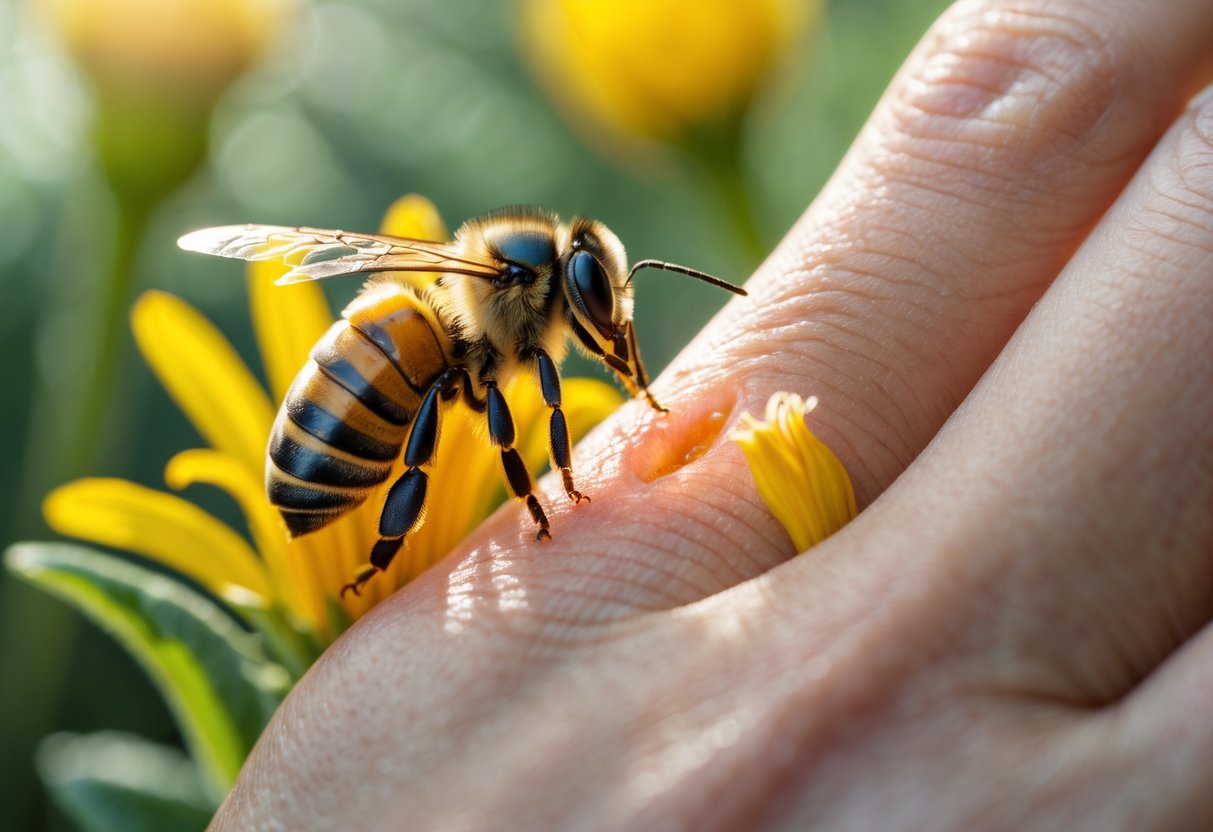
If a queen bee stings you, how your body reacts depends a lot on you and the type of bee. Some people just get mild pain and swelling, but others can have much more serious reactions.
It’s also good to know how queen bee stings stack up against stings from other bees or wasps.
Allergic Reaction and Anaphylaxis
Some people react to bee stings with more than just redness and swelling. You might see a rash, feel itchy, or notice swelling spreading away from the sting.
In rare cases, a sting can cause a severe reaction called anaphylaxis. This can start within an hour and brings on trouble breathing, tongue swelling, tightness in your chest, or trouble swallowing.
If you ever have these symptoms after being stung, call 911 right away. Use an epinephrine injector if you have one.
Even if you aren’t allergic, getting stung several times can be dangerous because the venom adds up. If things seem to get worse, don’t wait to get help.
Queen Bees in Different Species
Queen bees usually won’t sting unless they feel threatened. Their stings are a bit like worker bees but can hurt more since queens have longer stingers.
In honeybee colonies, queens mostly use their stings to fight off other queens inside the hive. Bumble bee and carpenter bee queens also defend their nests, but they’re less likely to sting people because they stay inside more.
Honestly, queen bees rarely leave their hives. Most bee stings people get come from worker bees or even other insects. If a queen does sting you, though, it can still pack a punch.
Differences from Wasps and Other Bees
When a honeybee stings you, it usually leaves its stinger stuck in your skin. That lets venom keep seeping in for a bit.
Wasps and hornets don’t do that. They keep their stingers and can sting you more than once.
Honestly, wasp and hornet stings often feel sharper and more painful than bee stings. Carpenter bees? They rarely sting at all unless you really bother them, and they’re not as aggressive.
If you know these differences, you’ll have a better idea of what to do next. Cold packs, creams, or antihistamines can usually help with pain and swelling from bee stings.
But if a wasp or hornet stings you and you notice allergy symptoms, it’s time to get medical help right away.
For more about how to treat bee stings, check out this bee sting treatment article.


