
Ever wondered if you can keep bees in your garden? Most of the time, you can—but it really depends on local laws and what your town or city says. Lots of places actually encourage backyard beekeeping since bees help pollinate plants and support the environment.
Some areas have rules, though, just to keep everyone safe and neighbors happy.
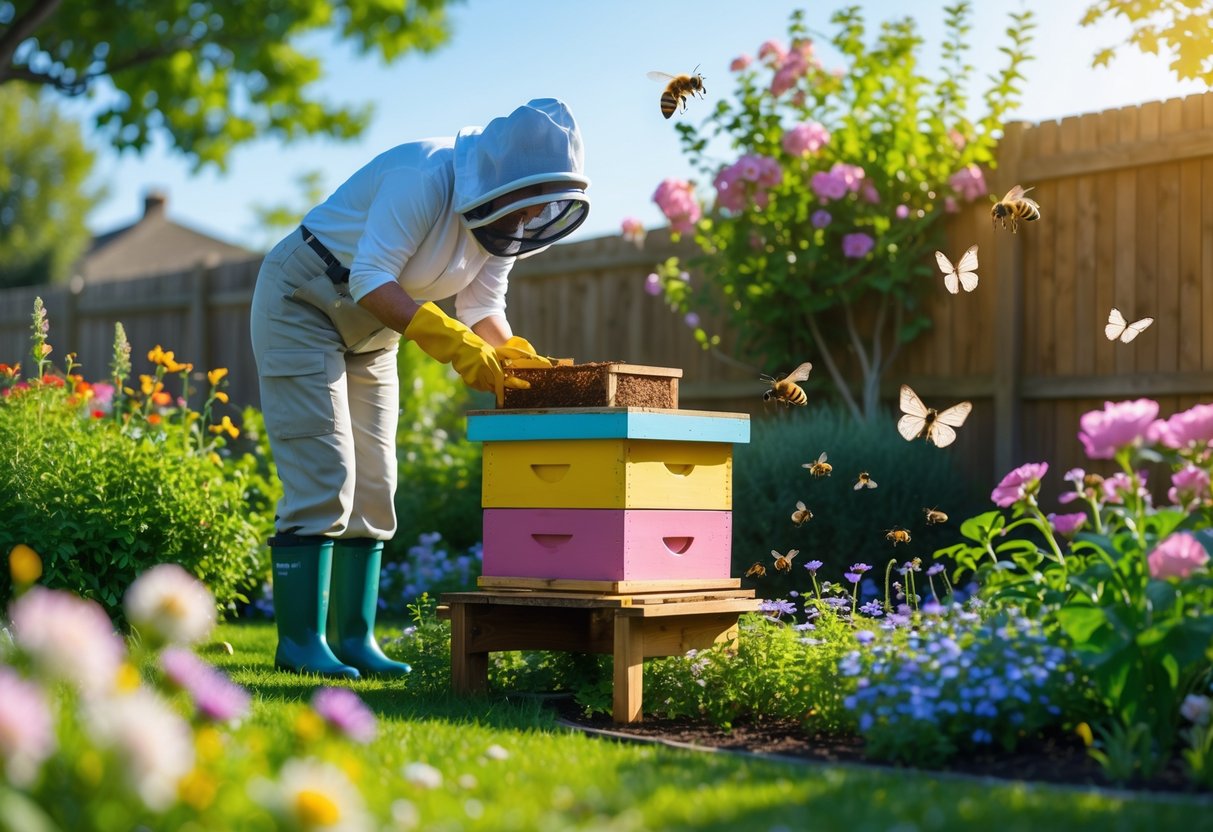
Before you put a hive out back, check the rules in your area. Some places want you to get a permit or follow certain guidelines about where you set up your beehives.
It’s always smart to know what’s allowed. That way, you can keep your bees responsibly and avoid any headaches.
Beekeeping brings plenty of rewards—fresh honey, healthier gardens, and, honestly, it’s just a cool hobby. Curious about what you need to do to keep bees safely at home? You’re in the right place.
Legalities and Permissions for Keeping Bees in Your Garden
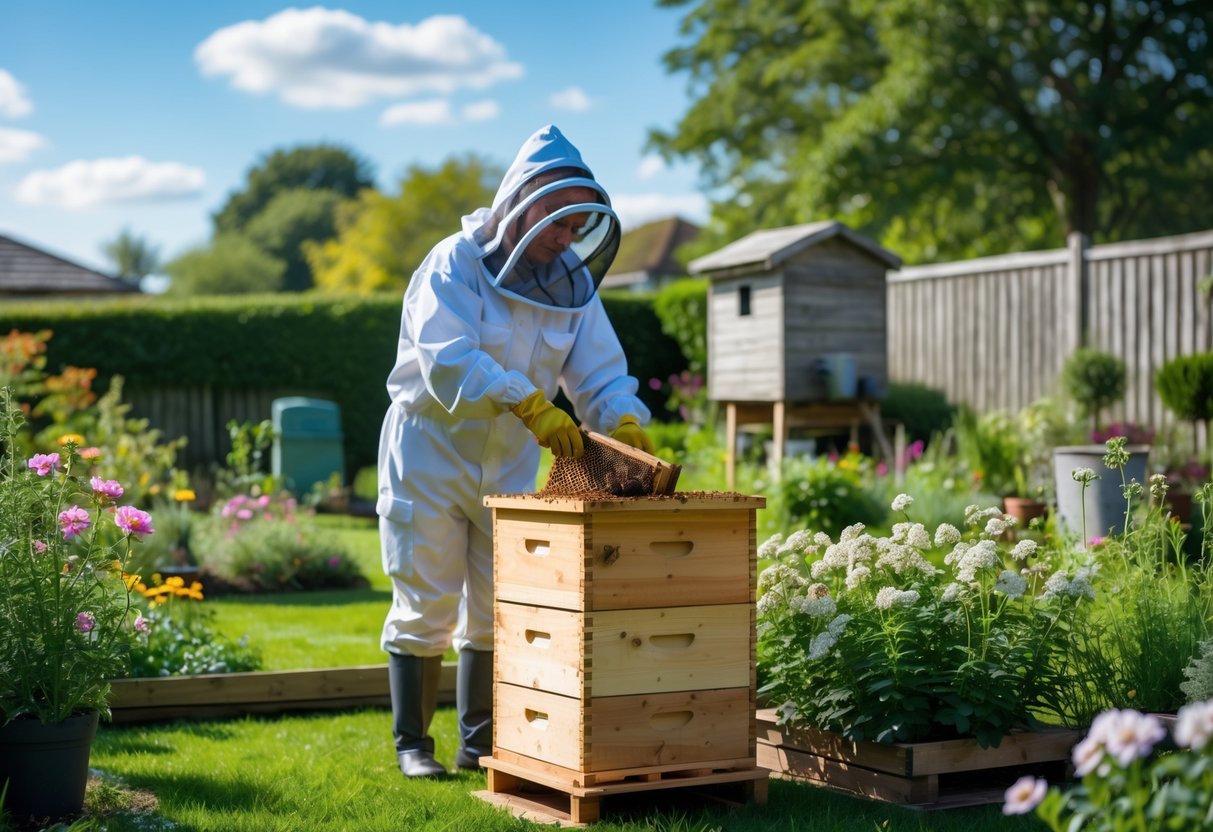
Before you start with bees, you’ve got to know the rules. Local laws, permits, and even the number of hives you can have might come into play.
Checking Local Beekeeping Laws and Regulations
Beekeeping laws can change a lot depending on your location. Some towns let you keep bees without much fuss, while others have strict rules or bans in neighborhoods.
You can usually find the info on your city or county website, or just call your local government office. They’ll tell you where you can put hives and what safety stuff you need to do.
A lot of these laws talk about how close your hives can be to property lines or public spaces. Zoning rules might control whether you can have bees in your backyard at all.
Permit, Registration, and Neighbor Permission Requirements
In plenty of places, you’ll need a permit or to register your hives. This helps local officials track hives and deal with bee health issues, like disease outbreaks.
You might have to fill out paperwork and pay a fee before you get started. Sometimes, you need to let your neighbors know or even get their okay, especially if allergies are a concern.
If you live in a neighborhood with a Homeowners Association (HOA), check their rules too. HOAs sometimes ban or limit beekeeping, so it’s best to know before you set up.
Restrictions on Number and Placement of Beehives
A lot of local laws set a cap on how many hives you can keep. The exact number usually depends on your lot size and how close you are to other houses.
Placement rules might say your hives need to be a certain distance from property lines, sidewalks, or public paths. Some places want you to put up a fence or hedge around your hives to keep things safe for neighbors.
You could also run into rules about how high your hives can be or which way they face. These details help everyone—bees included—get along.
If you want more details, check out LegalClarity’s guide to backyard beekeeping.
Essential Considerations and Best Practices for Garden Beekeeping

When you keep bees at home, you need to think about which bee species to get, what gear you’ll need, and how to keep your family and neighbors safe. It’s also good to know how your bees help the environment.
Paying attention to these points makes beekeeping smoother and, honestly, a lot more fun.
Choosing the Right Bee Species and Equipment
Pick a honey bee breed that does well in your climate. Lots of beginners go with Italian honey bees—they’re gentle and usually easier to handle.
Choose a hive style that’s easy to work with. Most people like Langstroth hives because you can pull out the frames, making inspections and honey collection less stressful.
You’ll want some basic gear. A bee suit keeps you protected from stings, and a hive tool helps you open up frames. A smoker can calm your bees when you’re checking the hive.
If you’re new, taking a beekeeping class can be a game-changer. You’ll learn how to use your gear and understand your bees a bit better.
Ensuring Safety for Neighbors and Family
Put your hive away from busy or noisy spots in your yard. Try to point the entrance away from paths or play areas.
Tall plants or fences help direct bees up and over, so they don’t bump into people nearby. That little trick can keep everyone happier.
Always wear your bee suit and gloves when you’re working with the hive. If you stay calm and gentle, your bees will too.
Don’t forget to follow any local guidelines about hive numbers or registration. Some places require it, and it’s just good manners.
Environmental Benefits and Pollinator Support
When you keep honey bees, you’re actually helping out local pollinators—those little guys that make fruits, veggies, and flowers possible. Bees boost your garden’s health and make your plants more productive.
Try planting flowers that attract bees. Go for a mix of native, pesticide-free plants, and aim for blooms throughout the year.
Your bees do more than just work your garden. They help wild plants reproduce, which keeps the whole ecosystem ticking.
By keeping your colonies healthy, you give these essential pollinators a better shot at survival. It’s kind of amazing how much difference a backyard hive can make for biodiversity.
If you want more tips on keeping bees in your garden, check out this beekeeping guide.


