
When you see lots of bees in your garden, that’s actually a great sign. Bees help your plants grow by pollinating flowers, fruits, and vegetables—so your garden ends up healthier and more productive.
They play a huge part in keeping the natural balance and biodiversity around you going strong.

You might find yourself wondering why so many bees buzz around your yard. Usually, your garden offers food, water, or shelter that bees really need.
That’s a good sign—your outdoor space is a welcoming, thriving spot for these important pollinators.
Are Lots of Bees Good for Your Garden?

When you have plenty of bees in your garden, your plants get the help they need to grow well. Bees don’t just visit flowers—they support your garden’s health by spreading pollen and helping plants produce fruit.
They work quietly, keeping your green space lively and balanced.
Pollinators and Their Role in Flower and Crop Production
Bees are some of the best pollinators you could hope for. When they land on flowers, they carry pollen from bloom to bloom, which helps your plants make seeds, fruits, and veggies.
Without bees, a lot of your garden plants might not grow or produce food the way you’d like.
You’ll see flowers and crops thrive when bees are nearby. Pollination boosts the size, taste, and number of fruits you can pick.
This simple process keeps your garden colorful and full of healthy blooms all season long.
The Impact of Bees on Biodiversity and Ecosystem Health
Bees keep your garden’s biodiversity healthy. By pollinating all sorts of plants, they help maintain a mix of flowers and trees.
That variety supports other helpful insects and keeps your garden’s ecosystem strong.
More plants mean better air quality outside, since healthy plants clean the air. Bees also support small animals that depend on those plants, making your garden more resilient when weather or pests change things up.
Natural Pest Control and Other Garden Benefits
Bees indirectly help control pests in your garden. When they encourage a mix of plants and beneficial insects, they create natural balance.
Some of those insects—attracted by bees—will eat the harmful bugs that damage your plants.
Bees also boost the overall life in your garden. They support plants that add nutrients back into the soil, so your garden needs less work from you.
If you’re curious about more reasons bees help your plants, check out this guide on the benefits of bees in your garden.
What Attracts Bees to Your Yard?
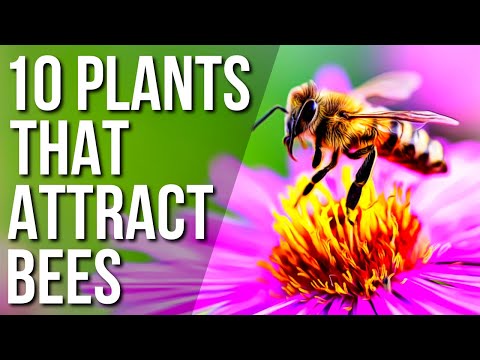
If you want more bees in your yard, you’ll want to focus on three things: the right plants for nectar and pollen, safe places for bees to nest, and clean water in a healthy, pesticide-free environment.
All three matter for different kinds of bees and help keep them coming back.
Nectar, Pollen, and Bee-Friendly Plants
Bees come to your garden mostly for nectar and pollen. Nectar gives them energy, and pollen feeds their young.
If you want to attract lots of bees, plant flowers rich in both.
Go for a mix of native flowering plants like coneflowers, lavender, sunflowers, and herbs such as mint and basil. These plants bloom at different times, so bees find food in your garden all season.
Bees like flowers with shallow shapes, since they can grab nectar easily. That works for native bees, honeybees, and bumble bees.
Skip flowers with deep or trumpet shapes—some bees just can’t reach inside.
A bee-friendly garden with a variety of native plants not only brings in bees, but helps your local ecosystem thrive.
Nesting Sites for Different Bee Species
Different bees need different nesting spots. Solitary bees like mason bees and leafcutter bees nest in small holes in wood or tunnels in the soil.
You can help by adding a bee hotel or leaving bare patches of soil for them.
Bumble bees usually nest in hidden places like old mouse holes or piles of grass. Leaving some undisturbed areas helps them do well.
Honeybees live in hives, but native bees need you to give them safe places. A bee hotel offers solitary bees a perfect home and encourages them to stick around.
Water Sources and a Pesticide-Free Environment
Bees need water—not just to drink, but to cool their hives too. Try putting out shallow dishes filled with clean water.
Toss in a few small stones or maybe some floating corks. That way, bees have a safe place to land and won’t risk drowning.
Skip deep containers because honestly, they can be a real hazard for bees.
I always recommend using no pesticides at all, or if you must, go for natural pest controls instead. Chemicals just end up hurting bees and can wipe out their numbers before you know it.
A pesticide-free garden with a reliable water spot turns into a haven for honeybees, bumble bees, and all sorts of native bees. You’ll notice your yard stays lively and buzzing through every season.
Curious for more ideas? Check out How to Attract Bees to Your Garden, According to Experts.


