
Ever watch bumble bees buzzing from flower to flower and wonder just how long these fuzzy pollinators stick around? Their lifespans depend a lot on their job in the colony.
Worker bumblebees usually last about three to six weeks. Queens can actually live up to a year, mostly because they hibernate through winter. Male bumblebees, or drones, only make it a couple of weeks.
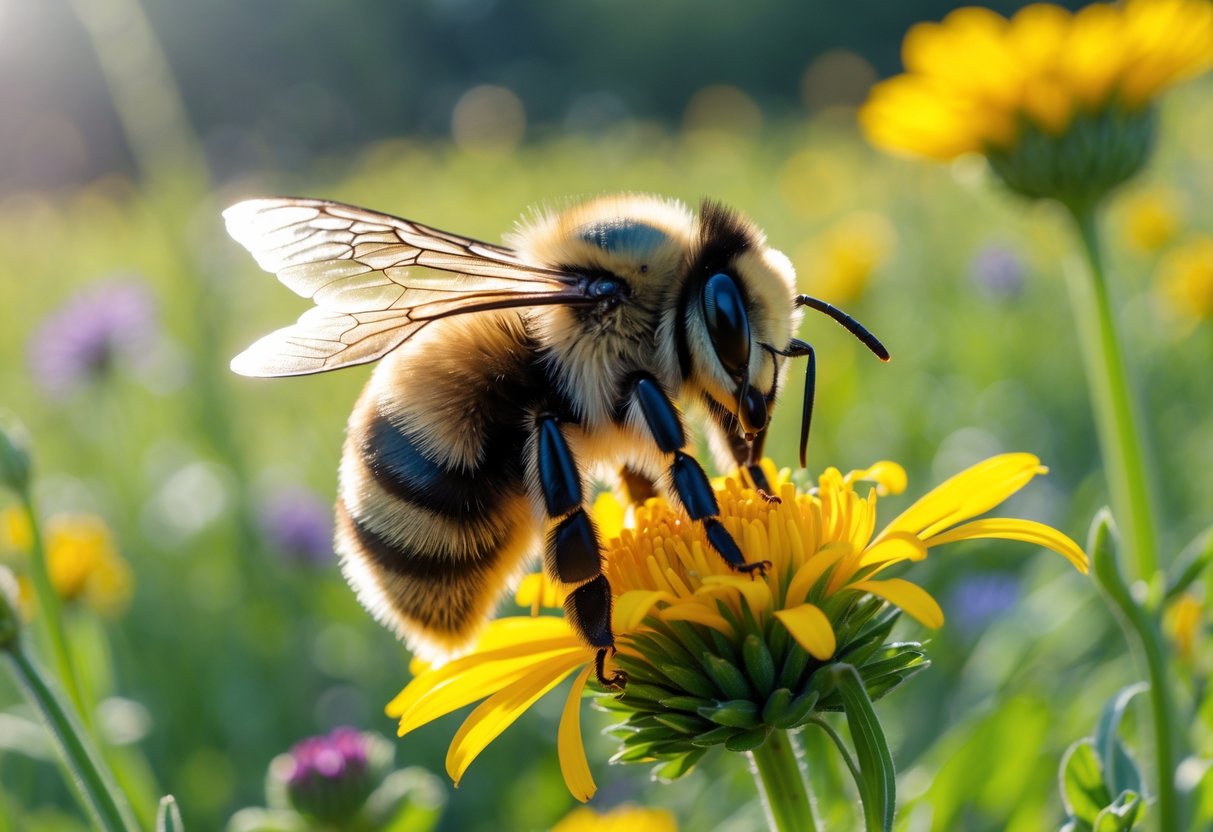
Knowing how long bumblebees live gives you a glimpse into their busy lives. It’s one reason they matter so much for nature and your garden.
Each bumblebee’s short or long life fits into the bigger picture of keeping the colony going and helping plants grow. Curious about the different bee roles and how their lifespans shape the colony? Let’s get into it.
You’ll find out what makes their life cycles unique and why bumblebees are such a big deal for the world around us. Honestly, the more you know about bumblebees, the easier it is to appreciate these gentle little insects.
If you want a deep dive, check out more about their lifespan at how long do bumble bees live.
How Long Do Bumble Bees Live?

Bumble bees live different lengths of time depending on their role. Queens outlive the workers and drones by a long shot.
Every bee type in the colony has a life cycle that fits what the hive needs.
Queen Bumble Bee Lifespan
A queen bumble bee can make it up to a year. She’s the only one in the colony who survives winter by hibernating.
When spring comes, she wakes up and starts a new colony, laying eggs and building a nest. Her long life lets her create several generations of worker bees through the warmer months.
The queen mainly focuses on reproducing and keeping the colony going. By autumn, her time’s up as the colony fades and new queens get ready to hibernate.
Worker Bumble Bee Lifespan
Worker bumblebees don’t live nearly as long as queens—just three to six weeks usually. These female workers take care of the nest, collect nectar and pollen, and look out for the colony.
Their jobs are tough and they spend a lot of time flying, which wears them out fast. Since they don’t last long, the colony always needs fresh workers to keep things running through the summer.
Drone Bumble Bee Lifespan
Male drones have the shortest lives—just a week or two. Their main job is to mate with new queens, and that’s about it.
Unlike the workers, drones don’t help gather food or care for the nest. Once mating season ends, the colony usually kicks them out before winter.
Their whole life centers on reproduction, and they don’t survive once the mating season wraps up.
Bumble Bee Lifecycle Stages
The colony gets started when the queen lays eggs. These eggs hatch into larvae, which workers feed and care for inside the nest.
After several days, the larvae turn into pupae, then finally emerge as adult bees. Those adults become workers, drones, or new queens, depending on what the colony needs.
The cycle repeats every year, with queens hibernating through winter and starting fresh colonies in spring. Seeing these stages makes it easier to understand how bumble bee colonies keep going all year.
| Stage | Time Length | Description |
|---|---|---|
| Egg | 3-5 days | Queen lays eggs, which develop into larvae |
| Larva | About 7-14 days | Workers feed and care for them, and they grow quickly |
| Pupa | 10-14 days | Bees transform into adults inside their cocoons |
| Adult | Weeks to months | They become workers, drones, or queens—lifespan varies |
Workers and drones keep the colony active, supporting the long-lived queen through the seasons.
Want more details? Here’s a thorough look at how long do bumble bees live.
Factors Affecting Bumble Bee Lifespan
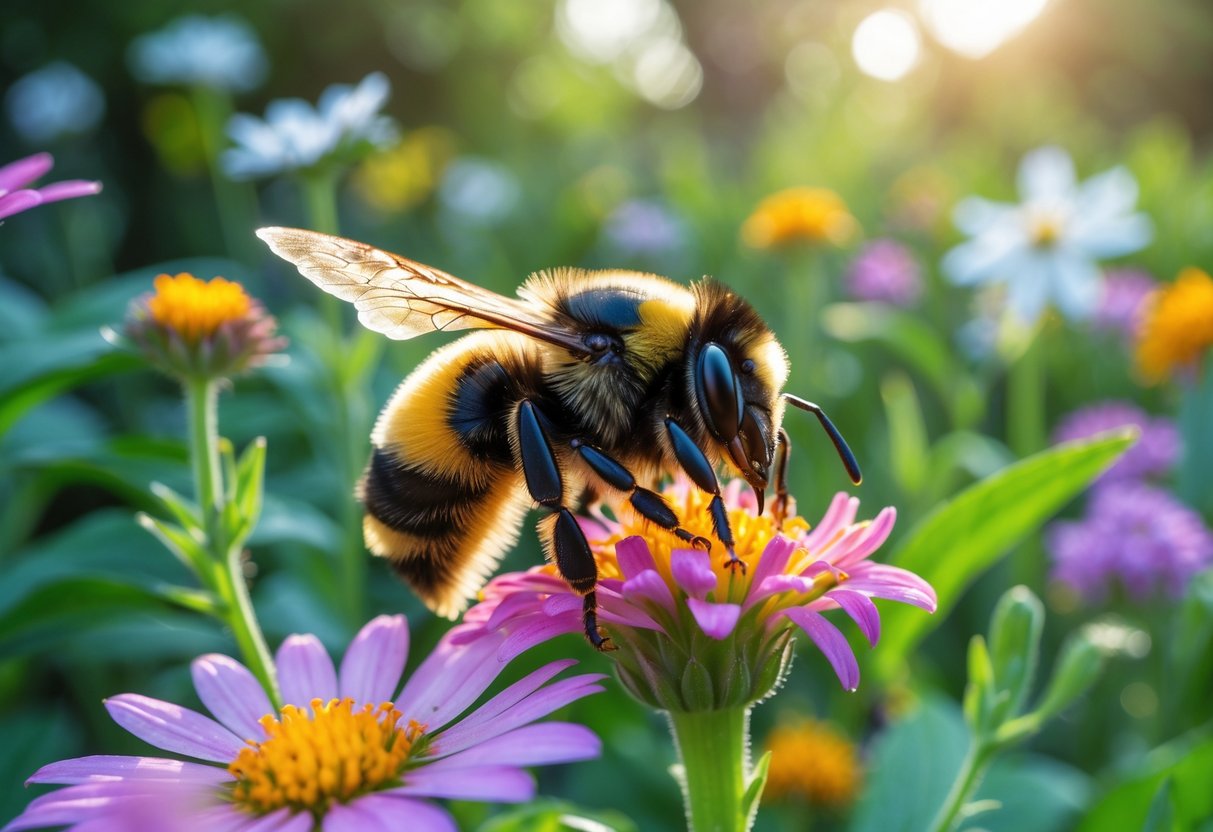
How long a bumble bee lives really depends on the care and conditions it gets. Food, weather, predators, diseases, and what’s happening in their habitat all play a part.
Impact of Food Sources
What bumble bees eat makes a huge difference in their health and how long they last. They need nectar for energy and pollen for protein.
If your local bees have lots of different flowers to visit, they’ll usually be healthier and live longer. Not enough food, or poor-quality food, means workers might not make it more than a couple weeks.
Queens especially need extra nectar and pollen to build up fat for hibernation. If they can’t find enough, their lives get cut short too.
Different species, like the American bumblebee or Bombus terricola, might have slightly different preferences. Still, all bumble bees need steady, rich sources of nectar and pollen to thrive.
Environmental and Climate Influences
Weather and environment play a big role in how bumble bees do. If the weather’s off, flowers might not bloom when bees need them.
Extreme heat or cold stresses bees, making it tougher for them to find food or even survive. Some species handle cold better, thanks to their thick fur, but sudden frosts can still do damage.
Losing wild habitats means fewer places for bees to nest and feed. If your neighborhood changes a lot, bees won’t live as long. Natural areas with wildflowers really help them stick around.
Predators, Diseases, and Parasites
Bumble bees deal with plenty of threats. Birds, spiders, and other insects hunt them, and these attacks can end a worker’s life fast.
Diseases and parasites are big issues too. Bees get viruses or fungal infections that sap their strength.
Parasites like mites can latch on and weaken them. If a colony has a lot of disease or parasite trouble, both workers and queens won’t live as long.
Some species are extra sensitive to certain diseases, so protecting bees from these threats keeps them healthier and more productive.
Human Activity and Habitat Loss
People play a huge role in whether bumble bees make it or not these days. When folks use pesticides on their farms or in their gardens, those chemicals can poison bees or mess with their immune systems.
Farming and construction wipe out habitats, tearing up wildflowers and destroying the places bumble bees need for nesting. As a result, you end up with fewer bees and smaller colonies.
If you support programs that plant bee-friendly flowers or protect natural areas, you’re giving bumble bee species a fighting chance. Even growing native plants and skipping harsh chemicals in your own yard can help bees stick around longer.
Curious about how habitat loss and pesticides really affect bumble bees? Check out this resource on bumble bee species.


