
Getting stung by a bee hurts and, honestly, it’s just plain annoying. But don’t panic.
NHS advice says you should remove the sting quickly, wash the area with soap and water, and then soothe it with a cold compress or ice pack. That’ll help dial down pain and swelling.
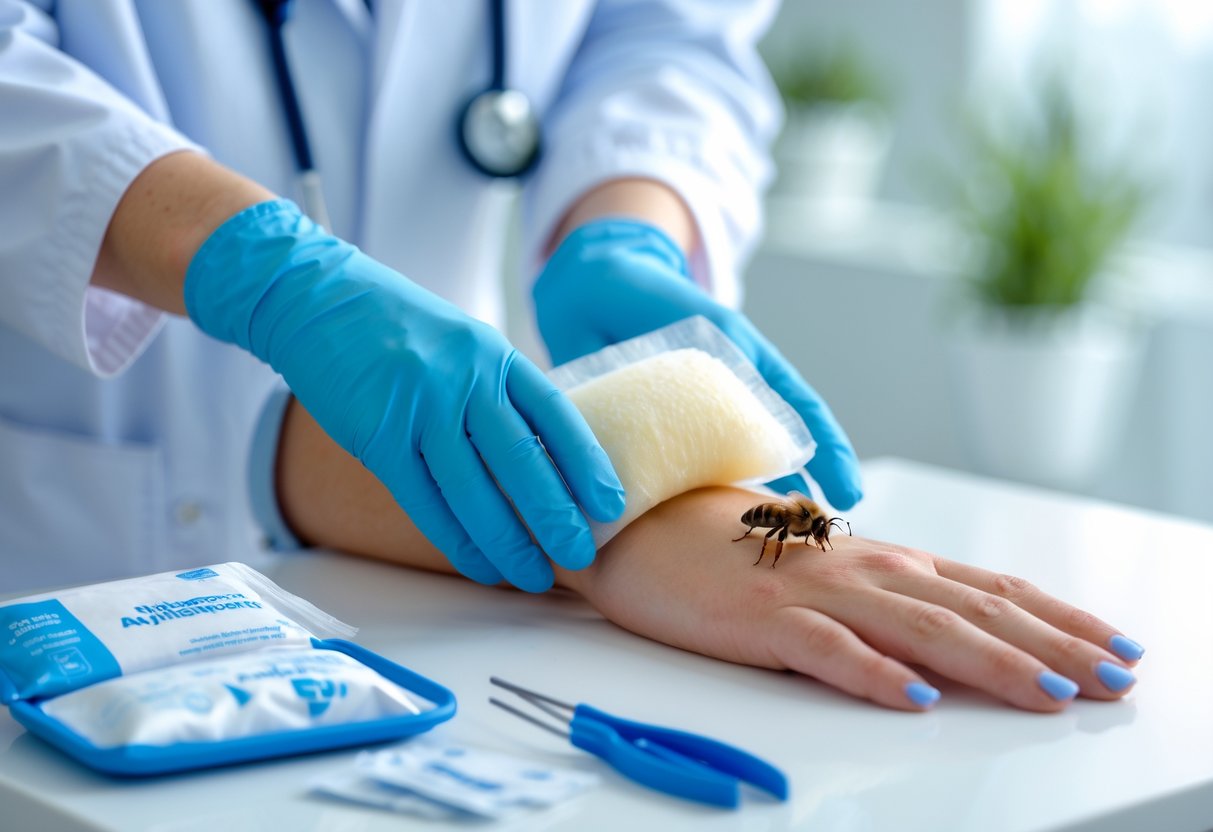
You might want to take an over-the-counter painkiller or antihistamine if the sting feels really itchy or uncomfortable. Keep an eye on the sting site—if you notice swelling in your face or trouble breathing, get emergency help right away.
If you know these simple steps, you can handle a bee sting at home and skip the doctor’s office. Curious about the details? Let’s dig in so you’ll feel more confident next time you’re outside.
Essential First Aid Steps for Treating a Bee Sting
If you treat a bee sting quickly, you can ease pain, swelling, and itchiness. You’ll need to remove the sting, clean the wound, and manage discomfort to help your skin heal.
Removing the Sting Safely
If you still see the sting in your skin, get it out as soon as you can. Use a credit card edge or your fingernail to scrape it out.
Try not to use tweezers—they might squeeze more venom in. Work gently and quickly to leave less venom behind.
After you finish, wash your hands to avoid infection. Getting the sting out helps stop pain and swelling from getting worse.
Cleaning the Wound
Once you’ve removed the sting, clean the area with soap and cool water. This step helps wash away dirt and bacteria.
Pat the skin dry with a clean towel. Grab a cold pack or wrap some ice, and press it to the sting for up to 20 minutes.
That cold helps shrink swelling and numb the pain a bit. Keep the area clean and try not to scratch it.
Scratching can make things worse or even lead to infection.
Easing Pain and Swelling
For pain, take paracetamol or ibuprofen as the package says. These help with both pain and swelling.
Use a cold pack now and then to keep swelling down. Always wrap the ice in a cloth to protect your skin.
If your hands or feet swell up, raise them above your heart. That can help bring the swelling down.
Managing Itchiness and Redness
Itchy, red lumps are normal after a bee sting. To calm the itch, put on hydrocortisone cream or calamine lotion.
Oral antihistamines like chlorphenamine can help too. Always check the label for the right dose.
Try not to scratch the itchy bump—even though it’s tempting. Scratching can break the skin and let in germs.
If redness or swelling gets worse after a few days, talk to your doctor.
For more details, check out this step-by-step guide on emergency first aid for bee stings.
When to Seek Medical Advice or Emergency Care
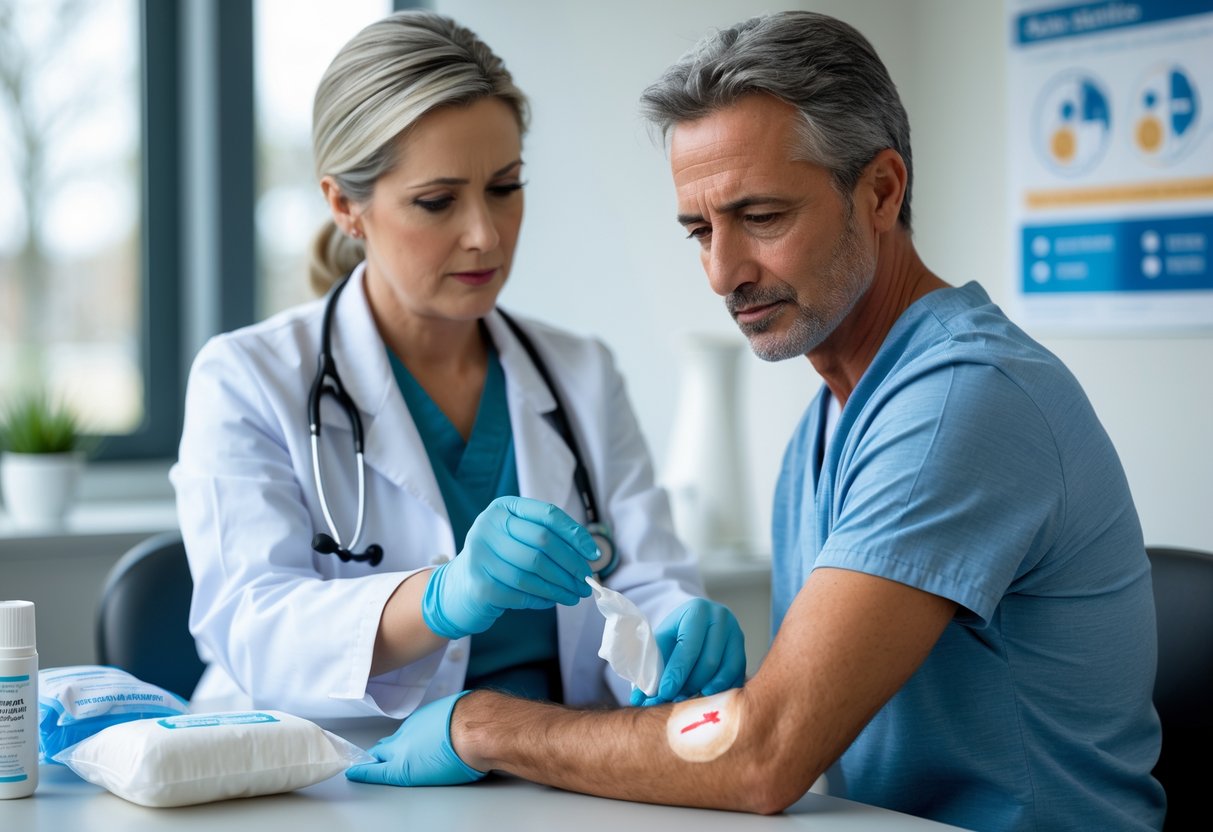
It’s important to know when to ask for help after a bee sting. Watch for allergic reactions, infections, or anything that feels off.
You should also know where to get help—maybe a pharmacy, your GP, or even the emergency room. Honestly, using insect repellent and a little caution can save you hassle next time.
Recognising Signs of Allergic Reactions
Some people react strongly to bee stings. If you notice hives, swelling beyond the sting, itching everywhere, or trouble breathing, get emergency help right away.
Other warning signs include throat tightness, dizziness, or suddenly feeling faint. These could mean anaphylaxis, which needs urgent treatment.
If you only see mild swelling and redness around the sting, you probably don’t need emergency care. But if you’re unsure, call 111 or your local health number.
Identifying Infection and Serious Symptoms
Bee stings can sometimes get infected. Look for redness, warmth, or pain that keeps getting worse.
If you spot pus, swollen glands, or start feeling feverish and achy, see your doctor soon. If the area isn’t healing after a few days, it could be infected.
Doctors usually treat infections with antibiotics. Don’t ignore serious symptoms, even if they show up slowly.
Where to Get Help: Pharmacists and the NHS
Pharmacists can help if your symptoms are mild. They’ll suggest creams for itching and swelling or recommend pain relief.
If you don’t have allergies and the sting’s getting better, a pharmacy visit might be all you need. For more serious reactions or possible infection, contact your GP or an urgent care centre.
If you have signs of anaphylaxis or severe breathing trouble, call 999 or go straight to the emergency department. The NHS has clear advice on when to seek different levels of care.
Preventing Bee Stings and Future Problems
Dodging bee stings gets a lot simpler once you know what to watch out for. I always reach for insect repellent before heading outside, especially when it’s warm out.
Wear light-colored, smooth clothes if you can, and skip the strong perfumes or sweet-smelling lotions—bees love that stuff. If you notice bees hanging around, just try to stay calm and slowly move away from their hive.
Had a bad reaction to a sting before? You should probably chat with your doctor about carrying an emergency adrenaline injection. That little device could honestly save your life if you get stung again.


