
If you get stung by a bee, you need to act fast to ease pain and swelling. The best thing you can do is get the stinger out right away, clean the spot, and slap on a cold compress to calm the swelling down. Simple care like this can help you feel better sooner and keep irritation in check.
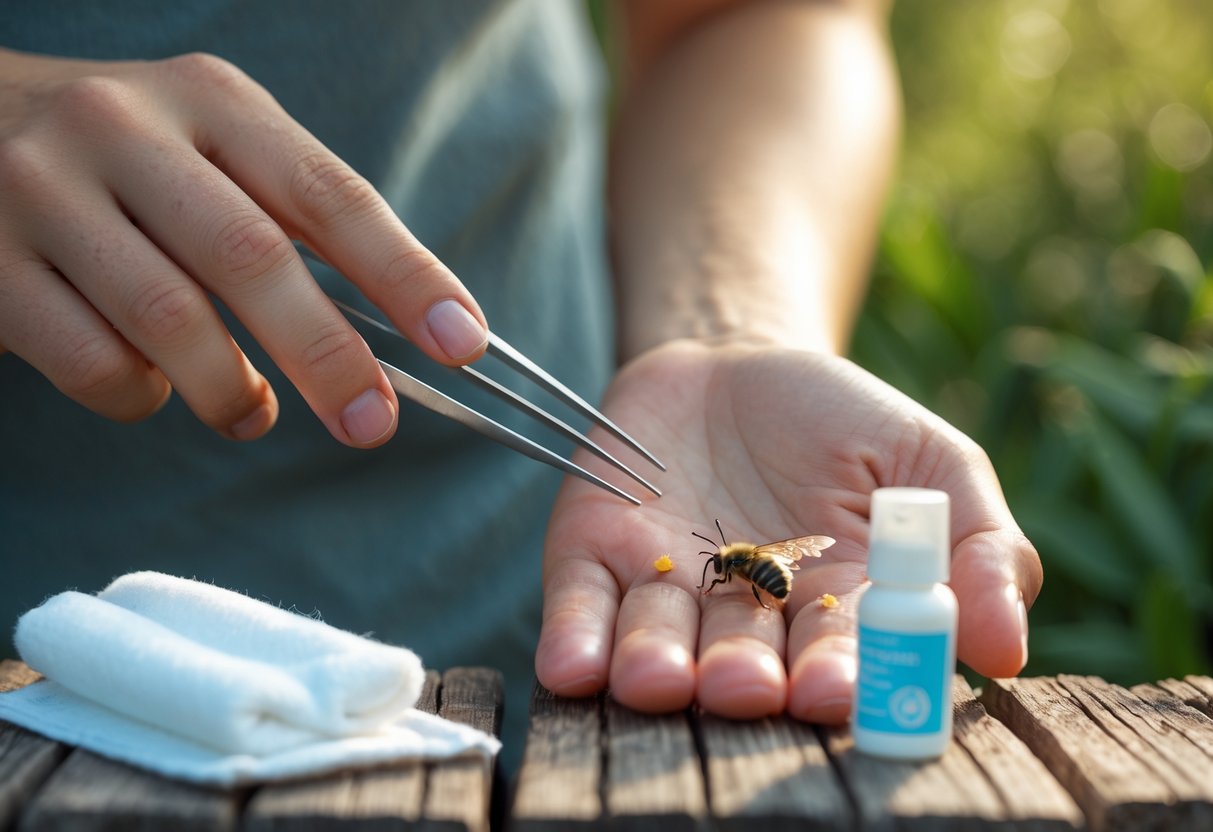
Keep an eye out for any signs of an allergic reaction, such as trouble breathing, swelling spreading away from the sting, or a rash. If you know how to handle a bee sting safely, you’ll feel more in control if it happens to you or someone nearby.
Let’s get into some easy steps for treating bee stings at home, and what you should do if things get worse.
First Aid Steps for a Bee Sting

If a bee stings you, moving quickly and carefully can really help with pain and swelling. First, get the stinger out and clean the area.
Once you’ve done that, go for a cold compress or a soothing cream to make things less uncomfortable. If you keep the sting site raised, you can help keep swelling down.
Remove the Bee Stinger
Usually, the stinger sticks in your skin after a bee sting. It keeps pumping venom and that’s what causes the pain and swelling.
Try to get the stinger out as quickly as you can. Use something flat, like a credit card, to gently scrape it away.
Don’t grab it with your fingers or tweezers, since that could squeeze more venom into your skin. If you get it out within a few minutes, you’ll probably get less venom.
After you pull the stinger out, avoid touching the area. This helps you prevent extra irritation or infection.
Wash the Sting Site
After you’ve removed the stinger, wash the spot with soap and cool water. This gets rid of any dirt or bacteria that might cause infection.
Use a mild soap and rinse gently. Don’t scrub hard.
Pat it dry with a clean towel or just let it air dry. Keeping it clean can help reduce itching and swelling.
If your skin is sensitive, skip harsh soaps or strong chemicals.
Apply a Cold Compress
Something cold on the sting feels good and helps with pain and swelling. Try an ice pack, a cold cloth, or even a bag of frozen veggies wrapped in a towel.
Hold the cold compress on the sting for about 10 to 15 minutes. Take it off for 10 minutes, then put it back on if you need to.
Never put ice straight onto your skin—it can cause frostbite. Cold slows blood flow in the area, which keeps swelling down and numbs the pain.
Elevate the Affected Area
If you got stung on your arm or leg, try to keep it above your heart. This helps stop swelling from getting worse.
Use a pillow or something soft to prop it up. Elevating the area slows down fluid buildup.
If the swelling seems to be spreading, or the sting is on your hand or foot, this step is extra important. It usually makes you more comfortable and can help keep swelling from getting out of hand.
Use Calamine Lotion or Hydrocortisone Cream
If the sting itches or feels irritated, calamine lotion or hydrocortisone cream can help. These creams calm the skin and keep inflammation down.
Just put a thin layer on the sting, following the directions on the package. Calamine dries the area and eases itchiness.
Hydrocortisone cream fights redness and swelling. Don’t use too much, and skip covering the area if you see signs of infection like pus or extra pain.
If things get worse, like more itching or swelling, it’s time to see a doctor. For more tips, check out this bee sting first aid guide.
Managing Reactions and Monitoring Symptoms

After a bee sting, pay attention to your body. You want to notice if anything serious starts happening, and act quickly if it does.
Some reactions are mild, but others need fast treatment.
Identify Signs of an Allergic Reaction
Notice how you feel after getting stung. Mild reactions usually just mean swelling, redness, and itching around where you got stung.
But if you see hives, swelling on your face or throat, trouble breathing, or dizziness, those are big warning signs. Other things to watch for are nausea, vomiting, or a racing heartbeat.
If you notice those symptoms, your body’s having a strong reaction and you need medical help right away. Don’t brush off sudden trouble breathing or swelling spreading away from the sting.
Stay alert—it can make a big difference.
Respond to Anaphylaxis
Anaphylaxis is a really severe allergic reaction, and it can come on fast. It messes with your breathing and circulation, and honestly, it’s dangerous.
If you or someone else has trouble breathing, chest tightness, swelling in the throat, or feels faint, call emergency services right away. Use an epinephrine auto-injector if you have one.
While you wait for help, try to stay calm. Lie down and, if it doesn’t make breathing harder, raise your feet a little to help blood flow.
Fast action here can save a life.
Take Antihistamines Such as Diphenhydramine
If the reaction isn’t serious, antihistamines like diphenhydramine (Benadryl) can help with itching, swelling, and redness. They block the chemicals your body makes during an allergic reaction.
Follow the instructions on the package or from your doctor. Diphenhydramine can make you sleepy, so don’t drive or do anything that needs focus after taking it.
Antihistamines aren’t a replacement for emergency care if things get serious, but they can help you manage mild to moderate symptoms at home.
Monitor for Further Complications
Keep an eye on the sting site and how you’re feeling for the next several hours. Swelling or redness might get worse, or you could notice new symptoms popping up.
If swelling spreads or starts hurting more, or you get a fever or chills, go see a doctor. Infection can set in if you don’t clean the sting site well enough.
Watch out for any allergic reactions that show up late or just keep getting worse. If symptoms come back or intensify after a few hours, call your doctor or head to urgent care.
Honestly, it pays to stay alert after a bee sting—you’ll catch any problems early and get the care you need. If you want more detailed steps, check out emergency first aid for bee stings.


