
Bees don’t usually sting out of nowhere. They give off some pretty clear signals before they sting, mostly to protect themselves or their hive. If a bee keeps bumping into you or zipping around your head, it’s basically saying, “Hey, back off!”
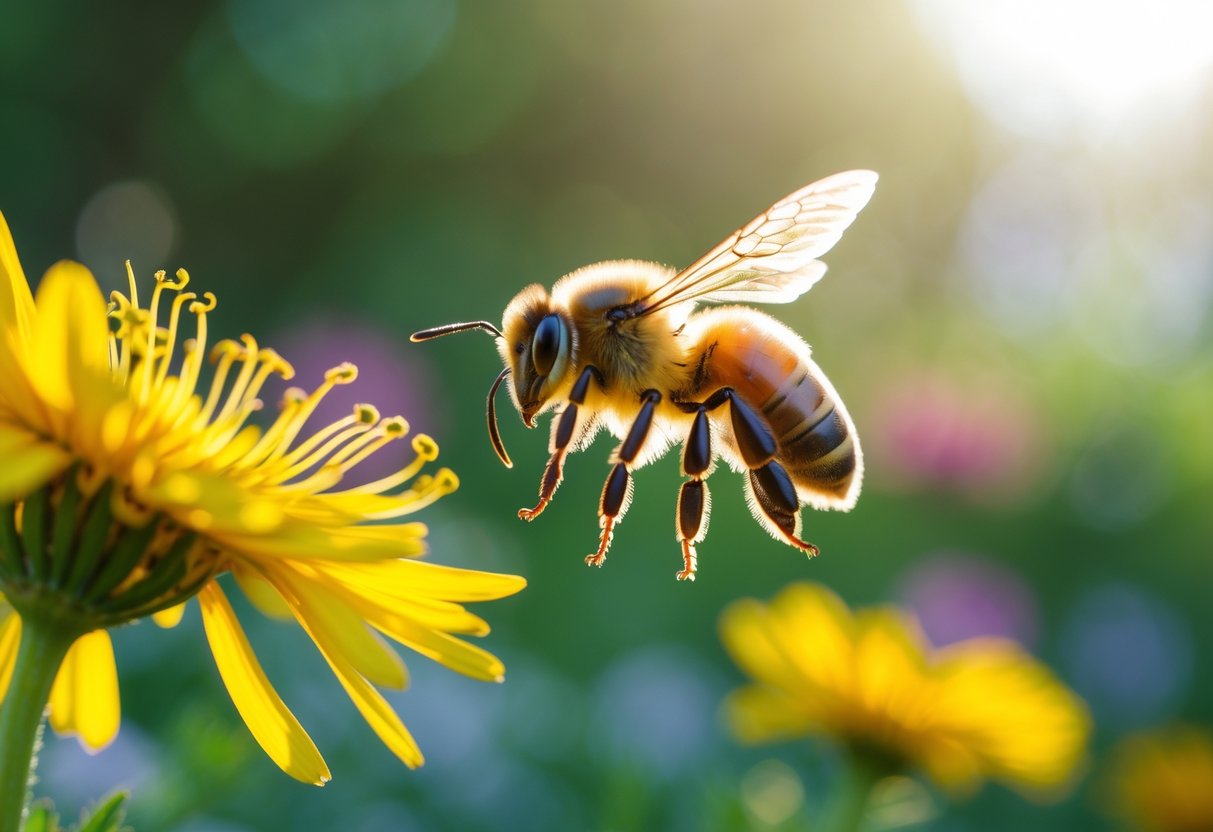
You might spot a bee buzzing right by your ear or lightly tapping you. That’s not random—it’s a warning. If you can read these signals, you’ll have a better shot at avoiding a sting.
How Bees Warn of Danger

Bees don’t stay quiet when they sense trouble. They warn their colony with sounds, movements, and chemical messages. If you pay attention, you can tell when bees feel threatened or want to alert the others.
Bee Defensive Signals and Communication
A bee that senses danger acts fast. Honeybees make a sharp, irregular noise that really stands out. This sound tells the whole colony, “Something’s up!”
You’ll sometimes catch bees shaking or waggling their tails in a quick, jerky way. That’s another heads-up for other bees to be careful.
Bees don’t just rely on sounds or shaking. The waggle dance isn’t just about food—it’s also a warning about threats near their foraging spots. This way, other bees know to steer clear of danger.
The Role of Guard Bees
Guard bees stand watch at the hive entrance. They keep an eye out for intruders, like wasps or even other bees that don’t belong.
When guard bees spot a threat, they jump into action. They block the invader and warn the rest of the hive by bumping them or making alarm sounds.
Their quick response gets the whole colony ready to defend. Guard bees have sharp instincts and know when to let bees in or keep them out.
Their job is crucial—they’re kind of the hive’s security team.
Alarm Pheromones and Marking Intruders
When bees get spooked, they release alarm pheromones. One of the main ones is “isopentyl acetate.” It has a strong smell and tells nearby bees it’s time to defend the hive.
This chemical usually comes out when a bee stings or feels a big threat. It gets more bees to act aggressively and protect their home.
Sometimes, bees will even mark intruders with these chemicals. That way, guard bees know exactly who to target.
This marking keeps the whole hive on high alert. If you want to dig deeper, check out this study on how bees give a heads-up when danger is near.
Warning Signs Before a Sting

Bees and similar bugs usually let you know before they sting. If you pay attention, you can avoid a painful run-in.
They show their warnings through body language, sounds, and sometimes even smells.
Behavioral Cues Bees Display
Bees have a few go-to moves when they want to warn you. If a bee keeps bumping into you, it’s getting irritated.
They also point their abdomen—yep, the part with the stinger—at you to show they mean business.
Louder buzzing or zigzag flying can be another sign a bee feels threatened. Some bees, like honeybees, give off a warning scent to let others know you’re getting too close.
Guard bees might hover right in front of you or bump you, just to make their point clear.
Differences Between Bees, Wasps, Hornets, and Yellow Jackets
Not every stinging insect plays by the same rules. Honeybees usually warn you first and only sting if they really have to.
Africanized honey bees act faster and are more aggressive, but they still give some warning.
Wasps, hornets, and yellow jackets? They’re a different story. They can sting over and over, often with barely any warning.
Yellow jackets especially don’t mess around—they’ll dive-bomb to protect their nest.
| Insect | Warning Signs | Sting Behavior |
|---|---|---|
| Honeybees | Bumping, abdomen pointing, buzzing | Sting once, then die |
| Africanized Bees | Quick buzzing, body jerks | More aggressive, sting once |
| Wasps | Less warning, direct approach | Multiple stings |
| Hornets | Loud buzzing, nest defense | Multiple stings |
| Yellow Jackets | Sudden attacks, dive-bombing | Multiple stings, fast |
When Bees Become More Aggressive
Bees get a lot more aggressive if they sense their hive’s in danger. If you see a big group of bees coming at you, they probably think you’re a real threat.
Africanized honey bees react even faster and will chase people for longer distances. Honestly, that’s a bit terrifying.
Sometimes, strong perfumes, bright clothes, or sudden movements stress bees out. If you mess with their home or wander too close, guard bees send out more warning signals.
Stick around after those warnings, and you’re way more likely to get stung.


