
If you’ve ever spotted bees hanging around your home, you might wonder if they’ll just pack up and leave. Well, that depends on a bunch of things—like food, weather, and how their hive’s holding up.
Bees usually leave only if their environment stops meeting their needs, like when food runs out or it gets too cold.

Sometimes, bees stick around because everything’s just right for them. Other times, if the hive feels crowded or unsafe, they’ll decide it’s time to move.
If you know what makes bees leave, you can figure out whether to wait it out or step in to help them move safely.
Understanding why and when bees leave can give you some peace of mind. Plus, it helps you look out for these pollinators that, honestly, we all need.
Curious about bee behavior and what to expect? Let’s dig in.
Will Bees Go Away on Their Own?
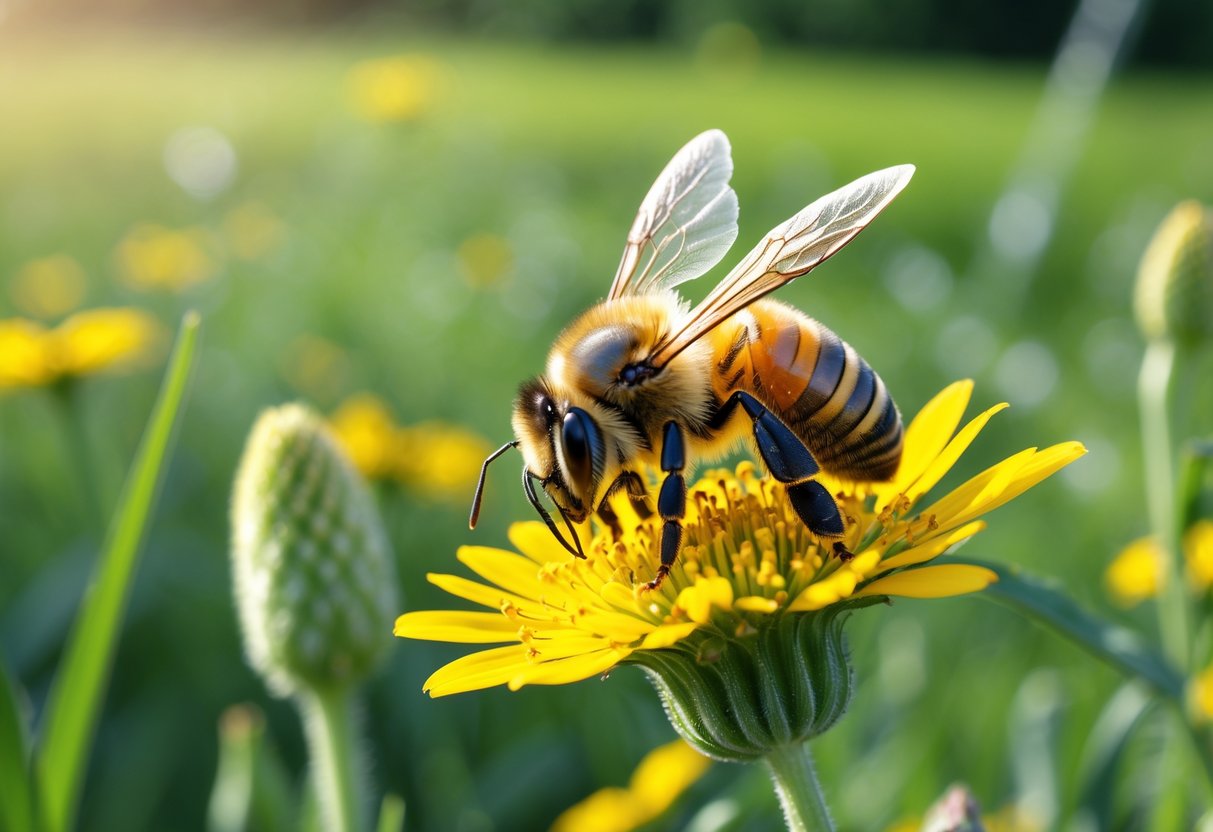
Bees leave when things change for them. Stuff like food, weather, and how packed their hive gets all play a role.
If you know the difference between a swarm and a settled colony, you can spot signs that bees might be just passing through.
Factors Influencing Bee Departure
Bees stick around when they find food, water, shelter, and warmth. If any of that dries up, they’ll move on.
For example, when flowers vanish, honey bees start searching for food somewhere else. Cold weather? They’ll look for a warmer spot.
Overcrowding inside a hive pushes bees to swarm. When things get tight, some bees—led by scouts—set out to build a new home.
Without enough space or resources, the colony splits up and leaves.
If bees feel safe and have plenty of food nearby, though, they’re not likely to leave anytime soon.
Bee Swarms Versus Established Colonies
A bee swarm acts like a temporary group. Swarming usually happens when a colony gets crowded.
The older queen and about half the bees take off to hunt for a new home while scout bees check out good spots. Swarms rest on branches or walls but don’t start building right away.
An established colony, on the other hand, sets up a hive with honey, brood, and a queen. These bees tend to stay put because they’ve got everything they need.
They’ll protect their home and won’t leave unless they have to.
If you can tell whether you’re seeing a swarm or a colony, you’ll have a better idea if the bees plan to stick around.
Signs Bees Are Temporary Visitors
Sometimes, bees near your place are just stopping by. If you spot small groups resting for a few hours or a day or two, and they don’t build a hive, they’re probably a swarm waiting for scouts.
Temporary bees don’t make much noise, mess, or trouble. If they move on quickly, it’s because they didn’t find what they needed.
But if you keep seeing bees, notice honeycomb, or spot wax building up, they’re probably settling in for good. In that case, they’re not likely to leave unless you help them out.
You can read more about how food and shelter affect bee movement at Will Bees Go Away on Their Own?
What to Do If Bees Stay
If bees decide to stick around, you’ll need to think about the risks and figure out how to handle them safely.
Ignoring bees can cause headaches, but there are ways to move them without hurting them. Sometimes, calling a beekeeper is just the smartest move.
Risks of Leaving Bees Alone
Letting bees stay can get risky, especially if they build a hive near your house or a busy spot. Bees will get aggressive to protect their hive, which means stings for anyone nearby.
That’s a real problem if someone’s allergic to bee stings.
A hive inside a wall or tree can also cause damage over time. Honey and wax attract pests and can even rot wood.
If you don’t clean up after removing a hive, bees might come back, following scent trails or old hive bits.
If bees settle in a tree close to your doors or windows, daily life gets disrupted. You really don’t want to risk safety or property damage by ignoring bees for too long.
Safe Bee Removal Methods
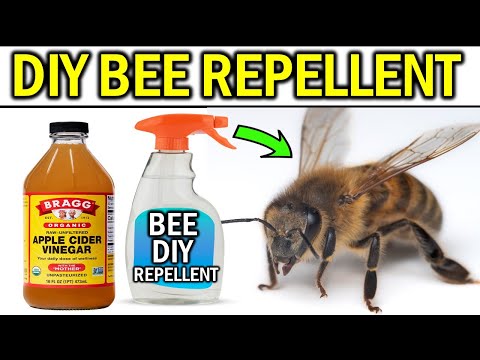
If you want bees gone, stick to safe methods that don’t harm them. Natural repellents like vinegar, cinnamon, or certain plants can send bees packing without hurting them.
Skip the sprays and poisons—they’re bad for bees and the environment.
If you need to remove a hive, do it early in the morning or late in the evening. Bees are calmer then, and most are inside the hive.
Even after you remove a hive, some bees might hang around. Clean up all the hive remnants and scent trails to keep them from coming back.
Trying a few natural methods together usually beats just using one.
Role of Beekeepers in Removal
Beekeepers really know how to move bees without hurting them. They’ll relocate hives to safer spots, letting bees keep making honey and helping the environment.
If bees settle in tricky places—like inside walls or high up in trees—a beekeeper brings the right tools and experience. They know how bees act and can move a colony without causing chaos.
Beekeepers can also show you how to keep bees from coming back by removing scents and blocking entry points.
Honestly, for big or tough hives, calling a beekeeper is usually way better than trying to handle it yourself.
When to Call a Professional
If you notice bees building a big hive near your home, or if someone in your household has bee sting allergies, it’s probably time to call a professional beekeeper or bee removal service. These folks show up with the right gear and know-how to handle bees safely.
Let’s say you’ve tried a few home remedies, but bees keep coming back—or worse, you spot them inside walls or tucked away in trees. Honestly, that’s your cue to bring in the experts. They’ll get rid of the hive completely and clean up any scent trails, which helps stop future problems.
Trying to handle bees on your own? That can get messy fast, especially if you’re not sure what you’re doing. A professional can save you time, spare you some stress, and, honestly, keep both you and the bees a lot safer. If you want more details on safe removal, check out this guide on how to get rid of bees safely.


