
If you leave a bee sting in for too long, the stinger keeps pumping venom into your skin. Basically, the longer it sits there, the more pain, swelling, and redness you’ll probably notice. Some people even face a higher risk of a nasty allergic reaction, which can get dangerous.
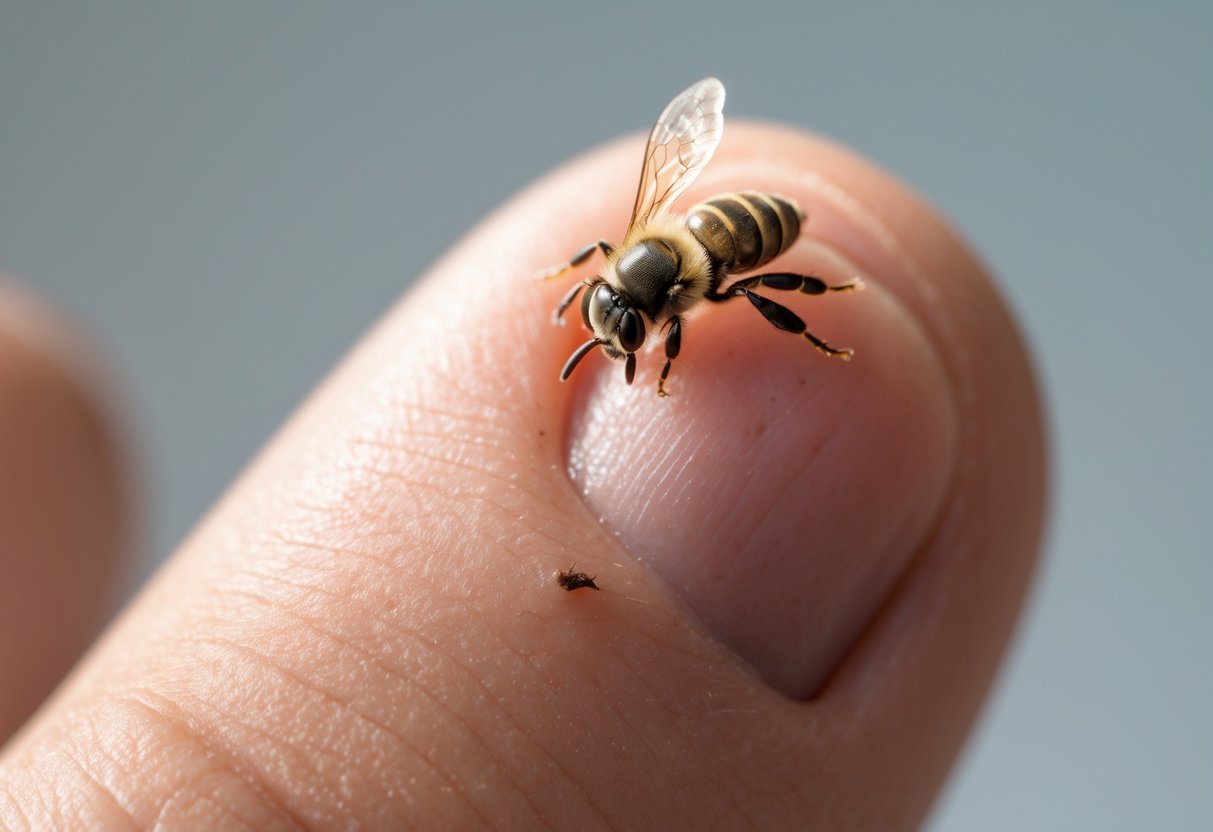
Take the stinger out as soon as you can. Doing this helps cut down on symptoms and limits how much venom gets inside you. Even if you’re not allergic, leaving it in just makes everything worse and slows down healing. Knowing why this happens might help you act faster and feel better.
What Happens If You Leave a Bee Sting In for Too Long?
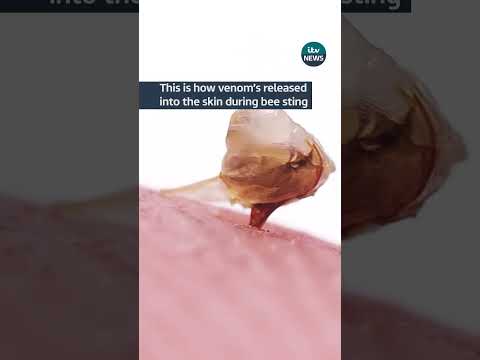
When a bee stinger gets stuck in your skin, it keeps injecting venom for a bit. This only makes pain and swelling worse.
You might also get itching, redness, or even other problems. Sometimes, people end up with infections or even serious allergic reactions if the stinger stays in too long.
Venom Release and Symptom Progression
A bee’s barbed stinger often lodges itself in your skin, along with the venom sac. Even after the bee flies away, the venom sac keeps pumping venom for up to a minute or so.
The longer you leave the stinger, the more venom spreads into your skin. That extra venom ramps up pain and swelling pretty quickly.
At first, you’ll feel a sharp sting, but as the venom spreads, things get more uncomfortable. If you pull the stinger out fast, you limit how much venom gets in and how bad things get.
Increased Swelling, Redness, and Itching
Venom makes your body release chemicals that cause swelling, redness, and itching. When the stinger stays, these symptoms usually get worse.
You might see a red bump that gets swollen and sore. Itching can get really annoying too.
Your immune system reacts to the venom proteins, and if the stinger stays, it keeps the inflammation going. That just drags out the discomfort.
Risks of Infection
Leaving a bee stinger in can raise your risk of infection. The sting breaks the skin and can let bacteria in.
If you scratch the itchy spot, you might introduce germs. Watch for signs like warmth, pus, or spreading redness.
If the skin gets super tender or you run a fever, it’s time to see a doctor. Clean the area and get that stinger out quickly to help avoid infection.
Allergic Reactions and Anaphylaxis
Some people have allergic reactions to bee stings, especially if the stinger stays in. More venom means your immune system reacts more, so you might see swelling beyond the sting, trouble breathing, or hives.
In rare cases, a severe reaction called anaphylaxis can happen. That’s a medical emergency—don’t wait around for that.
If you know you’re allergic, pay attention to symptoms like dizziness, weakness, or swelling in your face or throat after a sting. Get medical help right away if you notice those.
For more info on what happens if you leave a bee sting in, check out this guide.
Prompt Removal and How to Treat a Bee Sting

If you remove the bee stinger fast, you can cut down on pain and swelling. Treating the sting right away also helps lower your risk of infection.
Simple home care and the right medicines can really speed up recovery.
Safe Methods for Stinger Removal
As soon as you spot the stinger, get it out. The longer it stays, the more venom gets in.
Use something flat and firm, like a credit card or your fingernail, to gently scrape the stinger out. Try not to pinch it with tweezers, since that can squeeze more venom in.
Work slowly so you don’t break the stinger and leave bits behind. After you get it out, wash the area with soap and water to help avoid infection.
Managing Pain and Swelling at Home
Once you’ve pulled out the stinger, put a cold compress or an ice pack (wrapped in a cloth) on the spot for about 10 minutes. That’ll help with swelling and pain.
If the sting’s on your arm or leg, keep it elevated to reduce swelling. Try not to scratch or rub the area—it just makes things worse.
For pain or swelling, you can use over-the-counter meds like ibuprofen or naproxen. Always follow the package instructions, and check with a doctor before giving these to young kids.
Medications and Topical Treatments
You can use calamine lotion or hydrocortisone cream to help with itching and irritation after a sting. Just dab it on gently with clean hands or a cotton swab.
Check for any signs of infection, like extra redness, warmth, pus, or pain that keeps getting worse. If you spot those, reach out to your doctor—you might need antibiotics.
Keep an eye out for allergic reactions. If you start having trouble breathing, notice swelling somewhere else, or feel faint, don’t wait—get emergency help right away.


