
Ever get nervous when a bee buzzes close? Honestly, you’re not the only one. Bees can look a little intimidating, but here’s some relief—if you just stay calm and still, a bee usually won’t sting you.
Bees only sting when they feel threatened. If you keep your movements slow and gentle, you’ll lower the chances of upsetting them.
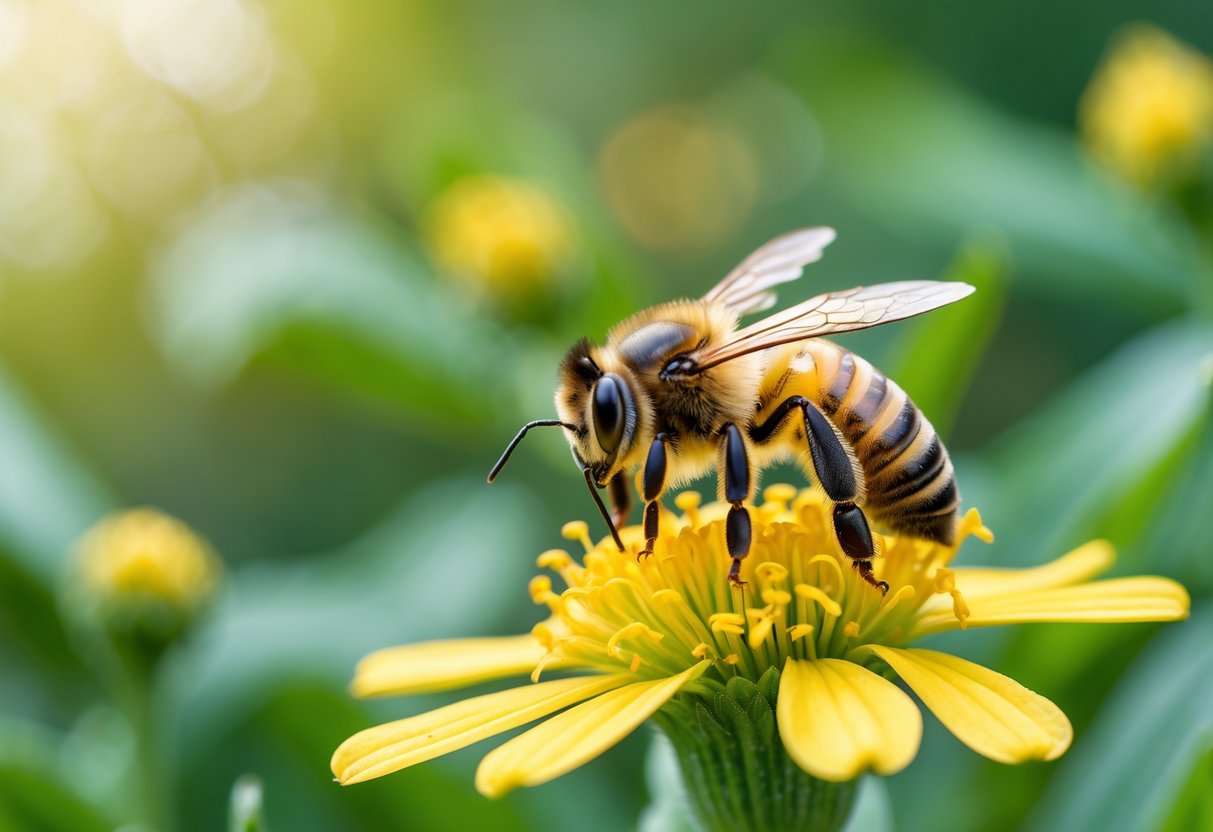
It’s tempting to swat at a bee, especially when you’re startled. But that move often makes things worse.
When you wave your arms or move suddenly, the bee might think you’re attacking it. That’s when it’s more likely to sting in self-defense.
If you just stay put, the bee gets a chance to fly away without feeling cornered. Sounds simple enough, right?
Learning a bit about bee behavior can really ease your nerves. You don’t need to run for the hills—just breathe, stand still, and let the bee do its thing.
It’s a surprisingly effective way to share space with these tiny, essential creatures. Want more tips on dealing with bees safely? Take a look at this.
Will a Bee Sting You If You Stay Still?

When a bee flies close, staying calm really helps. Bees mostly sting to protect themselves, not just for fun.
How you move and the kind of bee you’re dealing with both play a role in whether you’ll get stung.
Bee Behavior Around Still Humans
Bees aren’t naturally out to get you. If you stay still, most bees will just buzz around or maybe land without stinging.
They use their sting for defense, not to attack anyone for no reason.
If a bee lands on you and you don’t freak out, it’ll usually just explore a bit. Most bees want to avoid trouble, so staying quiet and still makes you look less threatening.
Honey bees especially try to keep things peaceful unless they sense real danger. If you leave them alone, they’ll often just fly off.
How Movement Affects the Likelihood of a Sting
If you start swatting or moving quickly, the bee might think you’re out to get it. That’s when it might sting to protect itself.
Running or flailing your arms only makes things more likely to go south. It scares the bee, and that’s when stings happen.
If you move slowly or just stand there, the bee gets the message that you’re not a threat. Some people even gently blow on the bee to nudge it away without freaking it out.
Honestly, most stings happen during sudden “fights” with a bee. Just staying calm and still is usually your best bet for a peaceful outcome.
Species Differences in Sting Response
Not every bee acts the same way when it’s near you. Honey bees usually only sting if they think their hive—or themselves—are in danger.
Some solitary bees don’t even bother stinging much since they don’t have a hive to protect. Wasps and hornets, though? They’re a different story and can act a lot more aggressive.
If you know what kind of bee you’re dealing with, you can better guess how it’ll behave. Honey bees tend to leave you alone if you stay calm, but if you spot a more defensive species, it’s smart to be extra still.
You can check out this bee sting safety guide if you want more info on keeping calm around bees.
Safety Tips and Actions to Prevent Bee Stings

Knowing what to do when a bee gets close can really help you stay safe. Quick, careful choices can prevent stings, and knowing what to do if you do get stung can make things easier.
What to Do If a Bee Lands on You
If a bee lands on you, staying still is honestly your best move. Swatting or sudden movements make the bee feel threatened and much more likely to sting.
When honey bees sting, they release pheromones. These scents can attract more bees, so you really want to avoid upsetting them.
You can gently brush the bee away or just wait for it to fly off on its own. Try not to grab it with your bare hands, though—no need to risk a sting.
Wearing light colors and skipping floral perfumes can also help you avoid attracting bees in the first place.
Immediate Steps After a Sting
If you get stung, try to get the stinger out as quickly as you can. Grab a credit card or something with a flat edge and gently scrape it away.
Don’t pinch or pull it out with your fingers or tweezers. That just squeezes out more venom, which nobody wants.
Wash the spot with soap and water. This helps cut down the chance of infection.
Toss a cold pack or some ice (wrap it in a cloth first) on the area. It’ll help with swelling and pain.
Try not to scratch the sting. If it itches or swells, antihistamine creams or pills can make things a bit more bearable.
If you start having trouble breathing, your face or throat swells, or you feel dizzy, get emergency help right away. Those are big red flags for a serious allergic reaction.


