
If you’re trying to keep bees away or just want to understand them better, it helps to know what really bothers them. Bees can’t stand strong smells like citronella, peppermint, cinnamon, and smoke. Loud noises and dark colors—especially black or red—also tend to drive them off. These things will naturally repel bees, and you don’t have to hurt them in the process.
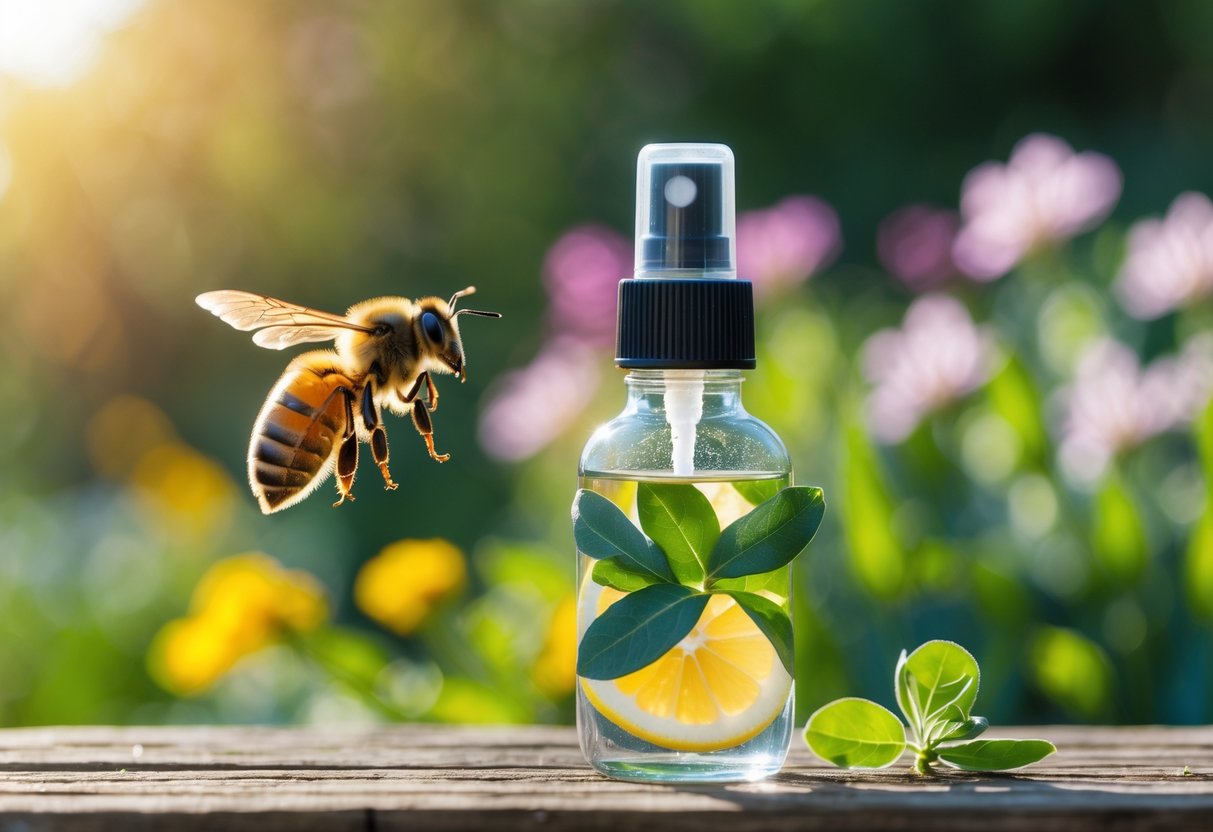
Knowing what bees hate makes your garden or patio a lot more comfortable. You can use these scents and colors to nudge bees away from certain spots, and still let them do their thing for nature.
When you figure out what bugs bees, you can protect yourself and create a chill environment for everyone. It helps you avoid annoying or scaring bees, so you can actually enjoy your time outside. If you want to dig deeper, here’s a handy guide on what do bees hate the most.
Top Things Bees Hate Most

You can keep bees away with certain smells, plants, and even stuff you probably have at home. These tricks work without hurting bees, and they help protect your space in a natural way.
When you know what bees dislike, it’s easier to pick the right method and avoid unwanted buzzing visitors.
Scents That Repel Bees
Bees really don’t like strong smells like citronella, peppermint, eucalyptus, and cinnamon. These scents mess with their sense of smell, so they can’t find flowers or talk to each other as easily.
Try using essential oils from these plants to make your own bee repellent. Mix peppermint or eucalyptus oil with water in a spray bottle, and spritz it around your outdoor hangout spots.
Lemon and lemongrass can also keep bees away. Just be careful with perfumes or scented lotions outside—some attract bees, some don’t. Stick with the right scents to keep bees at bay, and you won’t need harsh chemicals.
Plants and Essential Oils Bees Dislike
Some plants naturally make bees think twice about visiting. Marigolds are a classic—bees avoid the smell. If you plant lavender, rosemary, or mint in your garden, you’ll probably see fewer bees hanging around.
You can use essential oils from these plants too. Try a little cinnamon powder or clove oil in spots you want to protect. Mixing plants and oils gives you a solid double layer of bee defense, and you still help pollinators elsewhere if you want.
Household Items That Deter Bees
Honestly, you don’t need fancy stuff to keep bees away. Basic things like a vinegar spray get the job done.
Some folks put garlic or even mothballs out on the porch or in the garden. Mothballs are super strong, so keep them away from kids and pets.
Mix a little vinegar with water and spray it around where you eat outside. Bees will usually steer clear, and you can relax. These are cheap, easy ways to discourage bees without much fuss.
For more ideas about using scents, check out what do bees hate the most.
Understanding Bees’ Preferences and Conservation

Bees rely on their senses to find food and avoid danger. Where they go and what they visit actually shapes plant pollination and the health of the whole environment.
If you learn how bees react to certain smells and flowers, you can design spaces that either welcome them or gently steer them away.
The Role of Smell in Bee Behavior
Bees use their sense of smell for almost everything. Sweet and floral scents pull them in, but strong smells like peppermint, cinnamon, citronella, and vinegar turn them off fast.
You can use these smells around your garden or house to keep bees out of certain spots. That’s especially handy if you’re worried about stings.
If you want bees to pollinate your flowers, though, avoid using these strong odors nearby. Let the bees do their job where you want them.
Natural Defenses and Flower Preferences
Bees can be surprisingly picky about flowers. They pick plants based on color, smell, and how good the nectar and pollen are.
Bright colors—yellow and blue, for example—pull bees in, while dark colors like black or red usually drive them away.
If you want to help bees, plant a bunch of flowers with good nectar. That helps them stay healthy and boosts their numbers.
Some plants naturally keep bees away, so you can manage where they go without reaching for chemicals. Isn’t that a better way to balance things out?
Creating a Bee-Friendly or Bee-Free Environment
Maybe you love bees, or maybe you’d rather they stay far away. Either way, you can shape your garden to fit what you want.
If you’re hoping to welcome bees, try planting a mix of flowers. Add a little water source, and maybe even set up a bee house—they’ll appreciate it.
But if you’d rather not have bees buzzing around, go for strong-smelling natural repellents. Don’t plant bee-attracting flowers right next to your patio or deck.
Wearing dark clothes or making a lot of noise? Bees usually don’t like that, so it helps cut down on visitors.
You can tweak your space with these tricks and enjoy the outdoors with fewer worries about bees.
Curious about which scents actually drive bees away? Check out this guide on what scents bees hate and why it matters to their behavior.


