
Ever wondered what bees hate the most? They really can’t stand strong smells like citronella, cinnamon, and peppermint. Loud noises and dark colors—think black or red—also seem to set them off. These scents and colors naturally keep bees away without hurting them, so you can use them to protect your home or garden.
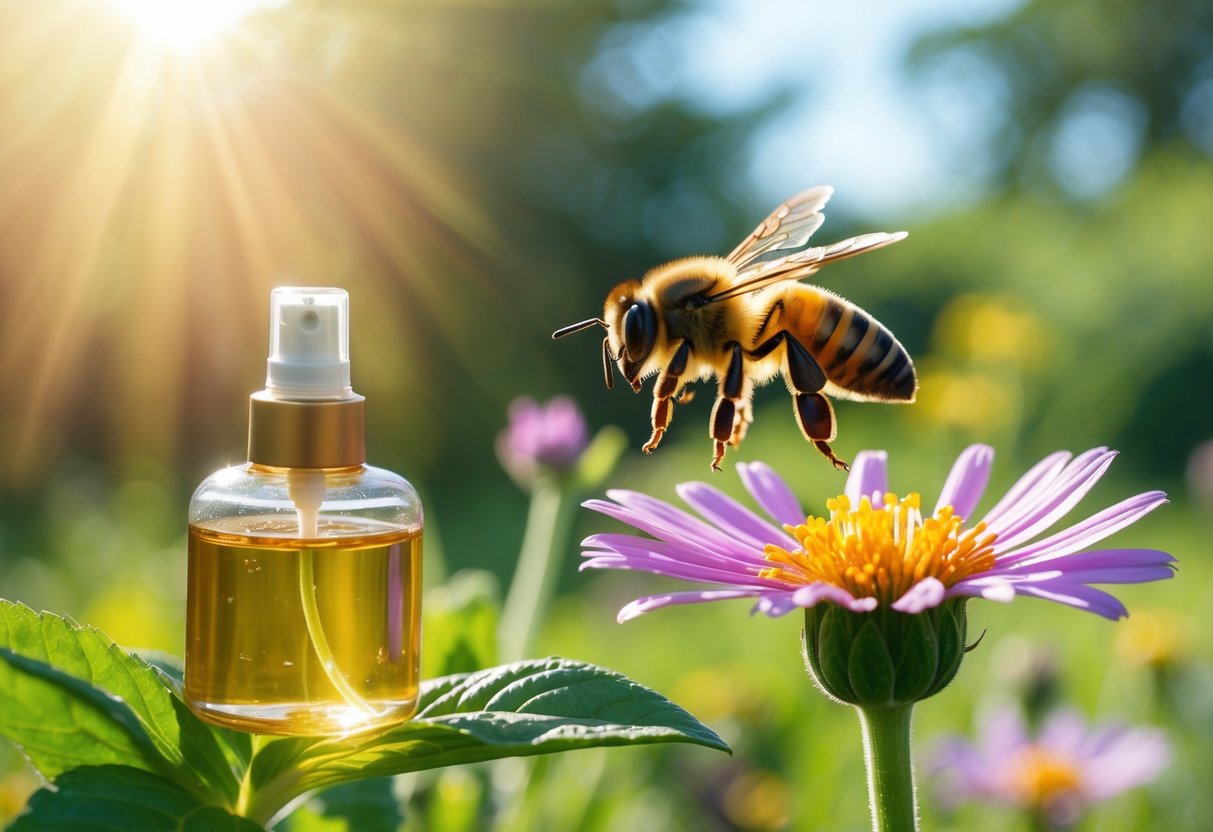
If you know what bees dislike, you can avoid stings and keep them out of places you don’t want them. Maybe you’ll try certain plants, essential oils, or just switch up your clothes—small tweaks can make bees keep their distance. It’s a way to respect them and still have your own space.
Honestly, it’s not that hard to keep bees away with a few natural tricks. Want to see what actually bothers bees and how to use that? Let’s dig in.
What Do Bees Hate the Most?
Bees avoid certain smells, plants, and even some environments. If you figure out what puts them off, you can keep them away safely—no harm done. People use natural scents and household stuff to gently repel bees, and it works surprisingly well.
Scents and Plants That Repel Bees
Bees hate strong smells like citronella, mint, eucalyptus, and cinnamon. You can use essential oils from these plants to keep bees at bay.
Try burning citronella candles or planting mint and marigold around your yard. That’s a natural barrier right there.
Lavender and lemongrass can help too, though sometimes other bugs like them. Sprinkle a little cinnamon powder in your garden beds, and bees might think twice about landing.
Vinegar spray or rubbing garlic cloves in trouble spots also does the trick. It’s simple, but bees really don’t like those scents.
If you want, mix essential oils with water for a spray that smells nice to you but sends bees packing.
Substances and Household Items Bees Avoid
Some things around the house work well as bee repellents. Mothballs have a scent bees steer clear of, but honestly, they’re not great for pets or wildlife, so be careful.
Vinegar makes a safe, cheap spray that bees can’t stand. Garlic’s another strong smell they avoid, so you can crush garlic or use garlic oil near doors or patios.
You’ll find some bee repellents with peppermint or eucalyptus oil. They’re safe and get the job done.
Skip the harsh chemicals. They hurt bees and the environment. Go for natural sprays and ingredients like cinnamon, mint, or citronella instead.
Environmental Factors That Bees Dislike
Bees don’t like dark colors or loud noises. If you wear white or tan, you’re less likely to attract them. Dark clothes look threatening to bees, apparently.
Loud sounds and vibrations really bother bees. Maybe don’t mow the lawn or blast music near spots you want bee-free.
Windy or super dry days also make bees less active in an area. Just a few tweaks in your routine can make a big difference.
Balancing Bee Repellents and Bee Conservation
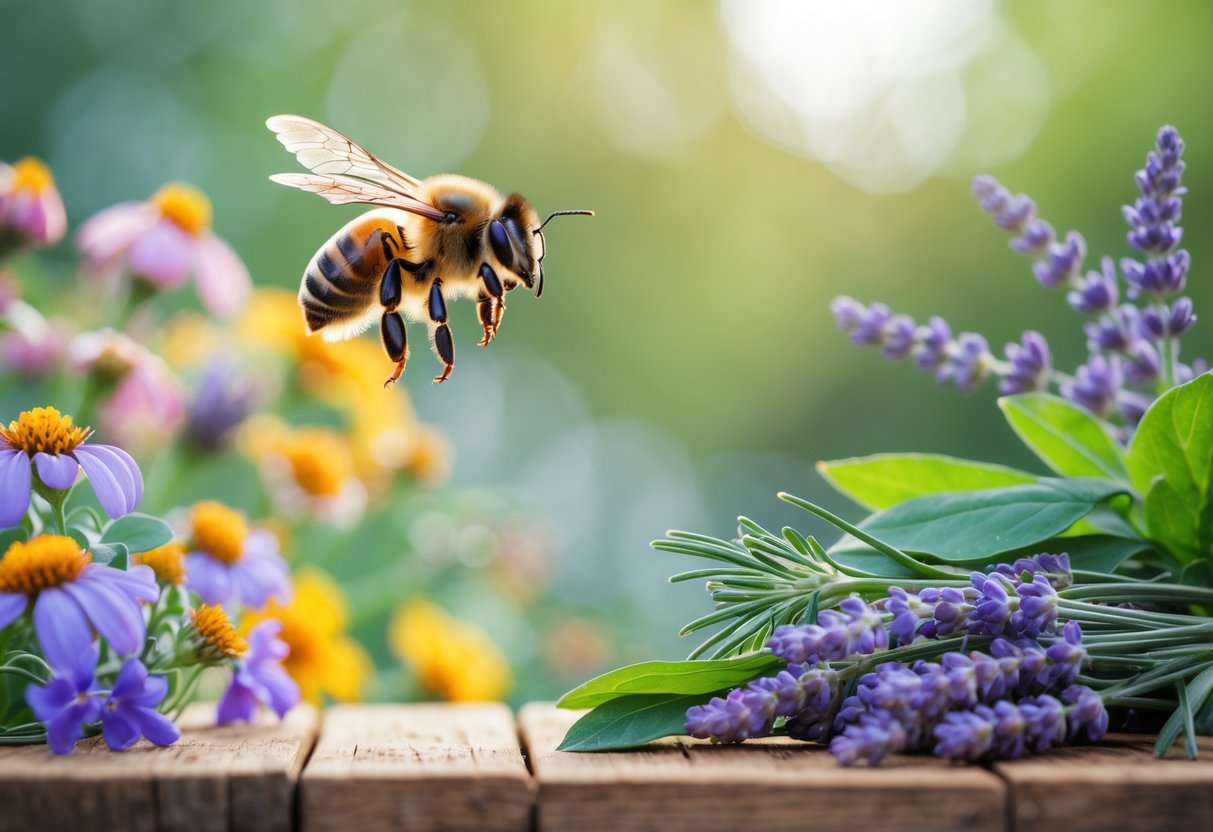
You can keep bees out of certain places while still helping them thrive nearby. The trick is to protect your space but also support pollinators. It’s not as hard as it sounds.
Creating a Bee-Free Environment Safely
Keep bees away without hurting them by using natural scents like citronella, cinnamon, or eucalyptus. These gentle repellents don’t harm bees or other bugs.
Skip pesticides and chemicals. They’re rough on bees and the ecosystem. Try planting mint or basil around your patio or picnic area. You get a safe spot, and bees go elsewhere.
If you need to, use mesh screens or netting to block bees from certain spaces. That keeps them out without stressing them.
Supporting Pollinators in Your Garden
Encourage healthy pollination by planting bee-friendly flowers like lavender, sunflowers, or clover. Bees love these and get plenty of food.
Set up a bee house if you want to help native bees. It gives them a safe place to nest and helps local pollinators stick around.
You could even split your garden into zones—one with bee-repelling plants, one with bee-friendly blooms. That way, bees can do their thing without getting in your way.
Ethical Approaches to Bees in Outdoor Spaces
If you want to keep bees calm, don’t make sudden moves—they’ll notice right away. Bees usually don’t care for loud noises or dark clothes, so just take it easy and stick with lighter colors if you can.
Try using natural repellents, but only when it’s really necessary. It’s all about finding a balance between enjoying your yard and letting nature do its thing.
Bees play a huge role in pollination, which keeps your garden and local crops thriving. Honestly, we need them more than we realize.
If you want to dig deeper into keeping things safe (for you and the bees), check out pestpointers.com and pollenpaths.com.


