
Waking up with itchy red bites but not seeing any bed bugs? You’re definitely not the only one. In the UK, all sorts of insects—mosquitoes, fleas, midges, and even mites—might sneak a bite while you sleep. Figuring out which bugs are bugging you makes it way easier to treat the problem and keep those bites from coming back.

Different insects bite depending on your environment and where you live. Mosquitoes and midges usually strike outdoors, while fleas and bed bugs prefer the comfort of your home. Each one leaves its own kind of mark, so paying attention to the type of bite might give you a clue about the culprit.
When you know what’s biting you at night, you can actually do something about it and finally get some proper sleep. If you’re keen to figure out which bugs are involved and how to handle them, just keep reading for some simple, practical tips. For even more details, check out this guide on common night-time biting insects in the UK.
What’s Biting Me at Night in the UK?
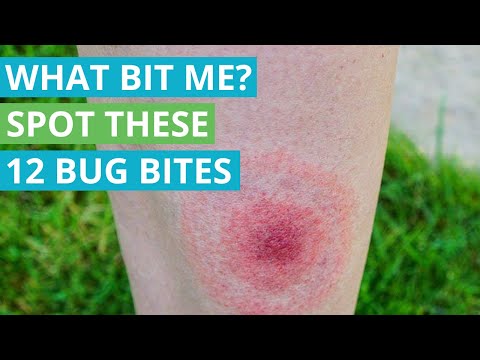
Waking up with itchy red marks? Several bugs could be behind those bites. Different insects hide in different places and leave their own bite patterns.
If you know these details, you can figure out what’s biting you and what to do next.
Identifying Common Night-Time Biting Insects
In the UK, bed bugs, fleas, mosquitoes, mites, and midges are the usual suspects. Bed bugs feed while you sleep and often leave small red welts in a line.
Fleas come from pets or wild animals and cause tiny itchy spots, especially around your ankles.
Mosquito bites swell up and itch, especially if you live near water or leave your windows open. Mites and chiggers cause lots of small red bumps and like damp or dirty places.
Ticks usually bite outdoors and latch on tight, but you might feel a bite if you disturb one.
Spiders rarely bite at night, but a few can leave a red, irritated spot. Ants, bees, wasps, and hornets usually sting during the day, but red ants sometimes bite if you’re resting outside.
Where Night-Time Biters Hide in Your Home
Bed bugs squeeze into mattress seams, bed frames, and tiny cracks in the wall. They avoid light and stay close to your bed.
Fleas hitch a ride on your pets or their bedding and spread through carpets and rugs.
Mites hide out in damp corners or animal nests. Mosquitoes sneak in through open windows or doors, especially when it’s warm.
Midges gather near ponds, rivers, or damp ground outside.
Ticks mostly hang out in grassy or wooded areas, but sometimes pets or clothing bring them indoors.
Ants build nests outside but might wander in looking for food. Wasps, bees, and hornets rarely hide inside, but sometimes they nest around eaves or wall cavities.
Key Bite Patterns and Clues
Bed bug bites usually show up in a straight line or cluster—people call them “breakfast, lunch, and dinner” bites. Flea bites are small, red, and super itchy, often on your feet or lower legs.
Mosquito bites get puffy and can itch for days. Midge bites look like tiny red bumps on exposed skin and itch a lot.
Tick bites might leave a red patch and sometimes cause flu-like symptoms if the tick stays attached for long.
Ant bites hurt and swell, especially from red ants. Bee, wasp, and hornet stings can be painful and might cause swelling or even allergic reactions.
Spider bites might cause redness and pain, but honestly, they’re not that common at night.
If you keep finding bites in patterns or get repeated itching, check your bedding, pets, and rooms for signs of fleas or bed bugs. Noticing where and how the bites appear can help you figure out which bug is to blame.
For more info on spotting and dealing with night-time biters, check out this guide on common night-time biting insects in the UK.
Managing and Treating Night Bites Effectively

Knowing how to calm your skin and spot serious reactions makes it easier to deal with night bites. You can use simple treatments to ease itching and pain, keep an eye out for allergies, and know when to call for help.
Relief for Itchy or Painful Bites
Try a cold compress for 10 to 15 minutes to numb the area and reduce swelling. Over-the-counter creams with hydrocortisone or sting relief gel can soothe the irritation.
Oral antihistamines help with itching, especially if you have lots of bites. Paracetamol or ibuprofen can ease pain and swelling.
Try not to scratch, even though it’s tempting—scratching can lead to infection. Using an insect repellent with DEET before bed helps keep more bites away.
A mattress cover blocks bed bugs and other pests. Keeping your room clean gives bugs fewer places to hide.
Recognising Allergic Reactions to Bites
Watch out for hives, big swelling, or a rash that spreads past the bite. These could be signs of an allergic reaction.
Sometimes bites cause wheezing, dizziness, or trouble breathing—if that happens, get medical help right away.
If you know you have allergies, keep your epipen handy if prescribed. Even mild allergic reactions are worth mentioning to your doctor so you get proper care.
Some bites that look odd or cause flu-like symptoms might mean something more serious, like Lyme disease or malaria, especially if you’ve been outdoors in risky spots.
When to Seek Professional Pest Control and Medical Help
If you keep getting bitten no matter what you try, it’s probably time to call in professional pest control. They’ll come out, check for bed bugs, fleas, or whatever else might be lurking, and use safe treatments to get rid of them.
Reach out to a doctor if your bites look infected—think more redness, warmth, or even pus. You should also talk to a professional if you start noticing severe allergies or the pain just won’t go away.
Try to jot down the bite pattern. Doing this can actually help pest control experts or doctors figure out what’s causing the problem and suggest better ways to stop it.


