
When a bee hits you, it’s usually not an accident. Bees sometimes bump into people as a warning if they think you’re a threat to their colony. That quick “head butt” is their way of protecting the hive without going straight for a sting.
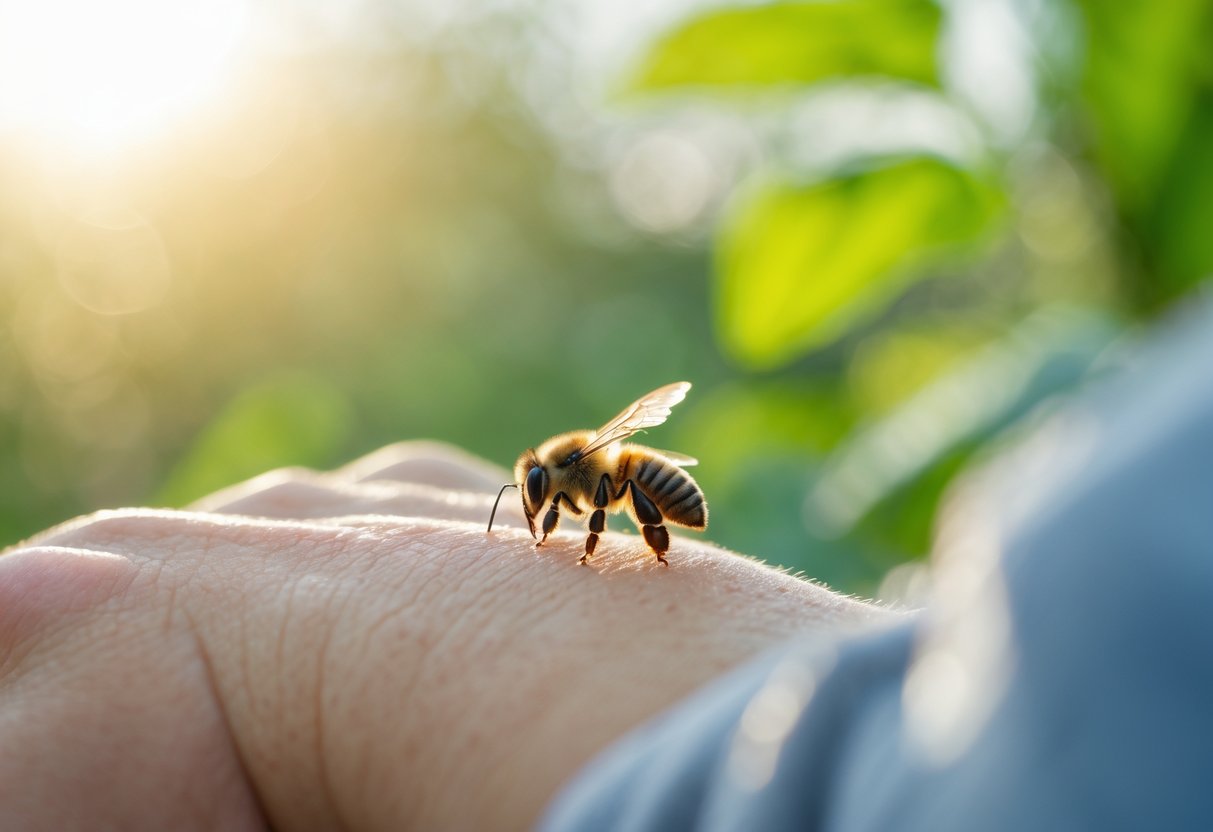
It might catch you off guard or even freak you out for a second. But if you get why bees act this way, you can stay calm and avoid making things worse.
Knowing a bit about bee behavior helps you react safely and keeps you from getting stung—or stirring up more bees. Sometimes, just understanding what’s going on can turn a weird moment into something kind of cool.
Digging into this a little more also shows there’s some interesting meaning behind bee behavior. Maybe it’s more than just a random encounter.
Understanding Bee Encounters: What It Means When a Bee Hits You

When a bee hits you, there’s usually a reason. Bees might come close because they’re attracted to certain scents, colors, or just your movement.
If you know what draws them in and how different bees act, you can figure out what’s happening and keep your cool.
Common Reasons Bees Approach or Hit Humans
Bees often fly near people when something catches their attention. Sweat bees, for example, love the salt in sweat.
Bright colors or floral perfumes can pull bees in too. Sometimes, a bee just zooms by and bumps into you by accident while flying or trying to land.
Male bees don’t sting, so if one brushes up against you, there’s really no danger. Female worker bees, though, might sting if they feel threatened.
People mix up wasps and bees all the time, but wasps can be a lot more aggressive and will sting if you bug them.
Physical Effects of Bee Contact and Stings
If a bee only bumps or lands on you, you probably won’t feel much. But if you get stung, you’ll notice redness, swelling, and a sharp pain.
Bees inject venom when they sting, and that’s what causes the reaction. For most folks, it’s just an annoying itch or swelling that fades after a few hours.
Some people react more strongly and need fast help. Wasps’ stings hurt more than bee stings because their venom is different.
If you get stung, gently remove the stinger and wash the spot to ease the pain.
Types of Bees and Their Reactions
Different bees act differently when they touch you. Sweat bees are tiny and usually don’t sting.
Male bees can’t sting at all, so you’re safe if they come near. Worker bees only sting if they’re defending the hive or feel provoked.
Honeybees lose their stinger and die after stinging, so they usually avoid it unless they have to. Wasps and hornets look like bees but can sting over and over and are much more likely to attack.
If you can tell what kind of insect is buzzing around, you’ll know how to react without panicking.
For more on bee encounters and what they might mean, check out What Does It Mean If a Bee Lands on You?
Interpreting Bee Encounters: Safety, Spiritual, and Symbolic Meanings
A bee hitting you might sting a bit, but sometimes people wonder if there’s more to it. Paying attention to these encounters can keep you safe, but it also lets you notice the bigger picture—bees have a lot of symbolism in different cultures.
Spiritual Meaning of Bee Stings and Bee Landings
Some people think a bee sting or a bee landing on you is like a spiritual poke. It might be a wake-up call, nudging you to work harder or find some balance in your life.
If a bee lands on you, maybe it’s a message about community, growth, or enjoying the sweet stuff—reminding you to connect with others and appreciate your own efforts.
If you feel something deeper after a bee encounter, maybe stop and think about what part of your life needs a little attention. Bees stand for transformation, so sometimes they’re just pointing you toward your true values.
Curious about the spiritual meaning of bee sting? There’s more to explore.
Symbolism of Bees in Different Cultures
Bees mean more than just hard work. Across cultures, they stand for things like unity, community, and prosperity.
- Ancient Egypt: People believed bees carried messages between the living and the spirit world.
- Greek Mythology: Bees showed up as symbols of wisdom and communication.
- Native American beliefs: Bees meant balance and teamwork.
These stories encourage you to think about your own place in your family or community. When a bee bumps into you, maybe it’s a reminder to pitch in or reflect on your purpose.
Bees make honey, and that sweetness is a symbol of rewards for effort—a nice little message for your own journey. Want to dig deeper? Here’s more on the symbolism of bees in different cultures.
Managing Bee Stings: First Aid and Allergic Reactions
So, a bee just stung you. First things first—get somewhere safe.
Try to scrape out the stinger right away, but don’t squeeze it. That only spreads more venom. Wash the spot gently with soap and water.
If you’ve got some ibuprofen or an antihistamine nearby, go ahead and use it. That should help with swelling and pain.
Keep an eye out for any signs of a serious allergic reaction, which folks call anaphylaxis. What should you look for?
- Trouble breathing
- Swelling in your face or throat
- Heart racing
- Feeling dizzy or even fainting
If any of that starts happening, grab an epipen and use it immediately. Then call emergency services.
Sometimes, even if you’ve never had an allergy before, a bee sting can surprise you. It’s a good idea to know what to do and how to stay safe.
If you want to learn more about handling a severe allergic reaction, there are some great resources out there.


