
If you want to keep bees away without hurting them, you need to know which scents they just can’t stand. Scents like citronella, cinnamon, peppermint, lavender, and eucalyptus have a way of making bees steer clear. They can make your outdoor space way more comfortable—and honestly, who doesn’t want fewer bees buzzing around?

You might not expect it, but even simple things like coffee grounds or dryer sheets can act as bee repellents. When you use these scents around your home or garden, you get to enjoy the outdoors without worrying about bees getting too close.
Knowing which smells bother bees helps you choose what actually works for your space. So, what are some easy and natural ways to use these scents and keep your area bee-free? Let’s dig in.
Scents That Repel Bees and Related Insects
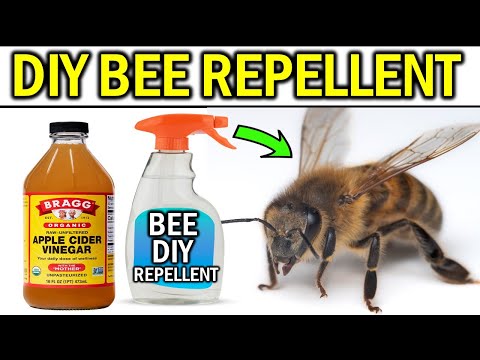
You can use certain smells to keep bees, wasps, and hornets out of your space. These scents mess with their sense of smell, so they just avoid the area.
Some options are natural, while others use chemicals.
Common Repellent Scents and How They Work
Bees and similar insects really dislike scents like citronella, eucalyptus, peppermint, cinnamon, clove, and lemon eucalyptus oil. These strong smells interrupt how insects find flowers or sense danger.
For example, citronella and eucalyptus have a sharp scent that bees just don’t like. Peppermint and clove oil help by masking the sweet floral smells bees usually track.
Try putting essential oils in a water spray and spritzing them around places where bees gather. Citronella candles or torches outdoors are another good move. These scents don’t hurt the insects—they just make them stay away.
Natural Vs. Chemical Options
Natural repellents use essential oils or plant-based smells, and they’re usually safe for kids and pets. Lavender, thyme, and citrus oils are good examples.
You’ll probably have to reapply them often since natural scents fade pretty fast.
Chemical repellents might last longer, but they can be toxic to bees and other wildlife. Using harsh chemicals can hurt bee populations, which honestly, we need for plants and food.
If you care about the environment, stick with natural oils. They’re safer and still work well.
Effectiveness for Bees, Wasps, and Hornets
Bees react most to strong citrus and minty smells. Wasps and hornets also dislike these scents, but they’re a bit more aggressive and seem to catch on when something’s off.
So, you might need to use stronger or more frequent applications for them.
For all three, citronella, eucalyptus, and clove oil work pretty well. Bees usually leave areas with these smells right away.
Hornets and wasps might take a little longer. Mixing up these scents or using them regularly helps keep your outdoor space free from buzzing guests.
If you want more info, check out natural options to repel bees and wasps at Pest Pointers and Beekeeping Trove.
Best Practices for Keeping Bees Away

Using the right scents can help you keep bees, hornets, and wasps away without hurting them. The way you apply these scents actually matters, and it’s worth being careful to protect pollinators and the environment.
Application Tips for Different Settings
When you’re outside, grab a spray bottle and mix essential oils like eucalyptus, citronella, or lavender with water. Spritz around seating areas, patios, or picnic spots every few hours to keep bees and wasps away.
If you’re camping or hiking, put diluted oils on your clothes or gear, but go easy—you don’t want skin irritation. For gardens, focus the sprays on entry points like door frames or windows, not directly on flowers. You want bees to keep pollinating your plants.
Citronella torches are great for outdoor gatherings, giving you both light and a scent barrier. Indoors, skip heavy scents that might bother you, but try putting small sachets of dried peppermint near windows. It helps more than you’d think.
Safety and Environmental Considerations
Dilute essential oils before you use them. If you use undiluted oils, they can irritate your skin or even harm your plants.
Try testing a small spot first to see if any allergies or weird reactions pop up.
Don’t spray repellents on flowering plants. Bees and other pollinators need those blooms for food, and honestly, your garden depends on them.
If kids or pets are nearby, stash oils and sprays somewhere they can’t reach. Natural scents feel safer than harsh chemicals, but it still pays to be careful.
You want to gently nudge bees and wasps away—not hurt them or mess with the pollination they do. Curious about more natural options? Take a look at this guide on scents that repel bees and wasps.


