
When you’re out in nature, you might find yourself wondering: are you more likely to get stung by a bee or a wasp? Honestly, wasps tend to sting people more often, mostly because they’re aggressive and can sting over and over. Bees usually sting just once and don’t go out of their way to attack unless you bother them.
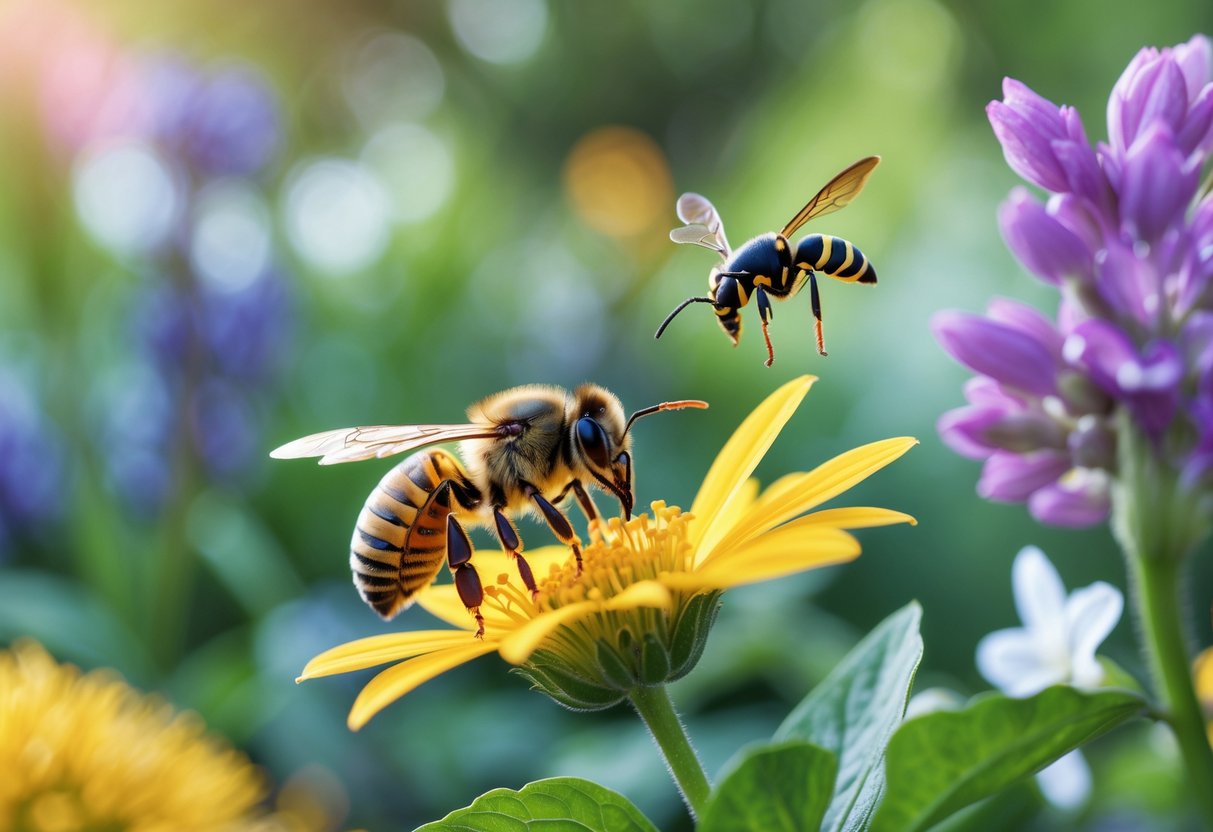
If you know how bees and wasps behave, you’ll have a better shot at avoiding stings. Wasps get worked up much faster and can react pretty aggressively if they feel threatened.
That knowledge makes hanging out outside a lot less stressful, honestly.
How Likely Are You to Be Stung by a Bee or Wasp?

Where you are and how you act around these insects really changes your odds of getting stung. Some bugs are just more aggressive, and they’re out and about more during certain times of the year.
If you pay attention to their habits, you’ll probably avoid a lot of trouble.
Frequency of Bee and Wasp Stings
You’ll notice more stings in warm months when bees and wasps are buzzing around. Men seem to get stung more, maybe because they’re outside more often.
Honey bees rarely sting because their stinger gets stuck and, well, they die after using it. Wasps and yellow jackets? They’ve got smooth stingers, so they can sting you again and again.
That’s a big risk if you accidentally bother them.
Getting close to a nest really ups your chances of getting stung. But most people get stung by accident—maybe while gardening, having a picnic, or playing sports.
Common Situations Leading to Stings
Bees and wasps usually sting when they feel threatened. Swatting at a wasp or stepping on a bee? Not a good idea.
Wasps and yellow jackets love food and sweet drinks, especially in late summer and fall. They get super protective around their nests, too.
If you leave sugary drinks out, you’re basically inviting them over.
If you’re near flowers, watch out. Bees are just doing their thing, collecting pollen, but they’ll sting if you mess with them.
Try to stay calm and move slowly—panicking just makes things worse.
Differences Between Bees, Wasps, and Yellow Jackets
These insects might all sting, but they don’t act the same way.
- Honey Bees: They sting once, leave the stinger behind, and die after. It’s kind of sad, actually.
- Wasps: They can sting over and over since their stinger doesn’t get stuck. They look smoother and shinier than bees.
- Yellow Jackets: These are a type of wasp, and they’re honestly pretty aggressive. They’re everywhere when there’s food around, and they sting multiple times.
If you know which insect is which, you’ll get why they act the way they do. Wasps and yellow jackets are way more aggressive than honey bees.
If you want to dig deeper, here’s an article explaining how likely it is to get stung by a wasp.
What Happens When You Are Stung: Symptoms, Reactions, and Treatment

When a bee or wasp stings you, they inject venom under your skin. You might feel anything from mild pain and redness to a serious allergic reaction.
It helps to know what the venom does and what early warning signs look like.
Venom Differences: Bee vs Wasp
Bee venom, called apitoxin, comes from a sac attached to the stinger. Bees usually leave their stinger behind, and it keeps releasing venom for a bit.
That’s why bee stings can hurt for longer.
Wasps don’t lose their stinger. They inject venom quickly, and their venom has different chemicals that can cause a sharper, burning pain.
Some people react more to wasp venom because it’s got extra allergens.
Recognizing Sting Symptoms
Right after a sting, you’ll probably feel a sharp or burning pain. The skin around it usually turns red, swells up, and itches within minutes.
This mild reaction can last a few hours or even a couple of days.
If a bee stung you, you might see a tiny white spot where the stinger went in. Mild swelling and pain are pretty normal, and you can usually treat them with over-the-counter creams like hydrocortisone or by taking an antihistamine.
Allergic Reactions and Anaphylaxis
If you’re allergic, your body can overreact to the venom. Early signs include hives, swelling that spreads, trouble breathing, dizziness, or a tight feeling in your throat.
That’s a severe reaction called anaphylaxis, and it can be life-threatening.
Anaphylaxis usually kicks in within 15 to 60 minutes after you’re stung. You need emergency treatment right away.
If you know you’re allergic, carrying an epipen with epinephrine could save your life.
Steps for Treating Bee and Wasp Stings
Start by checking if the stinger’s still stuck in your skin. If it is, grab something flat—like a credit card—and gently scrape it off. Don’t squeeze it; that just pushes more venom in, and nobody wants that.
Wash the spot with soap and water. It doesn’t have to be fancy—just get it clean. Then, toss a cold pack or even a bag of frozen veggies on the area for a few minutes to help with swelling and pain.
You might want to put on a little hydrocortisone cream or take an antihistamine if it’s itchy or puffy. Those usually help a lot.
If you start seeing a rash that spreads or you’re having trouble breathing, don’t wait—get medical help right away. Got an epipen? Use it immediately and call 911.


